Jon Faddis

Jazz
Avant-garde Jazz
Big band Jazz
 Viberate Rank: 270205
 Viberate Rank: 270205
 Monthly ListenersFollowers
 Subscribers
 Followers
 Followers
 FansTop Spotify Songs
| Track | 7-Day Streams | |
|---|---|---|
1 | 523 | |
2 | 312 | |
3 | 282 | |
4 | 232 | |
5 | 169 |
Top YouTube VideosMonthly ListenersFeatured in Playlists| Playlist | Followers | |
|---|---|---|
1 |  Jazz Meets Classical Spotify | 321.61K |
2 |  Jazz Trumpet Spotify | 93.01K |
3 | Cowboy Bebop Katy Stringer | 41.53K |
4 |  Twin Peaks Vibes 📺 maddie f | 36.94K |
5 |  BOSCH a fan made playlist with Harry Bosch Jazz inspired by the TV-Series and books. Jens Olsson | 19.74K |
Audience| City | Monthly Listeners | |
|---|---|---|
1 | | 76 |
2 | | 58 |
3 | | 51 |
4 |  | 41 |
5 |  | 39 |
See full performance history, audience data, playlist activity, rankings, comparisons, and more in Viberate music analytics. Start with a free trial, then continue with a paid plan.
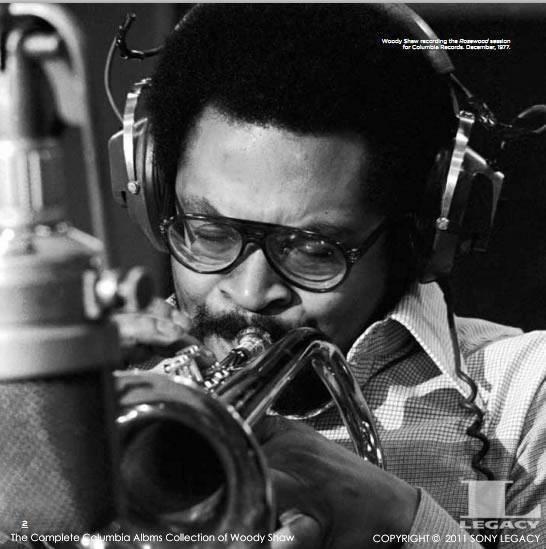
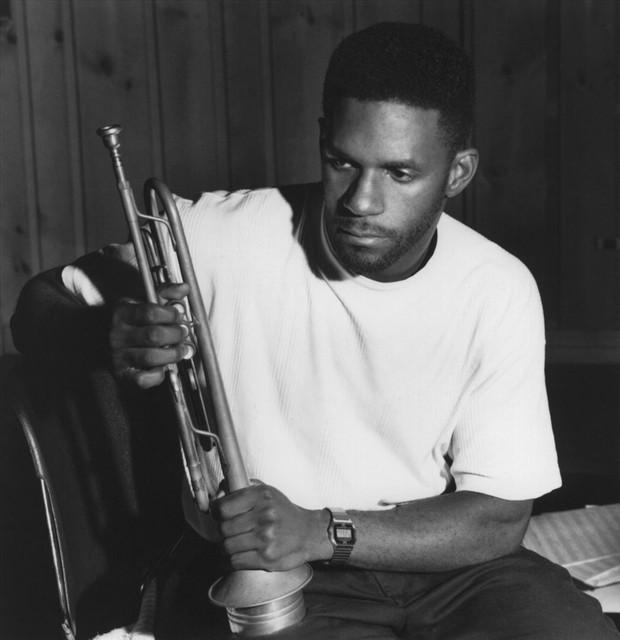
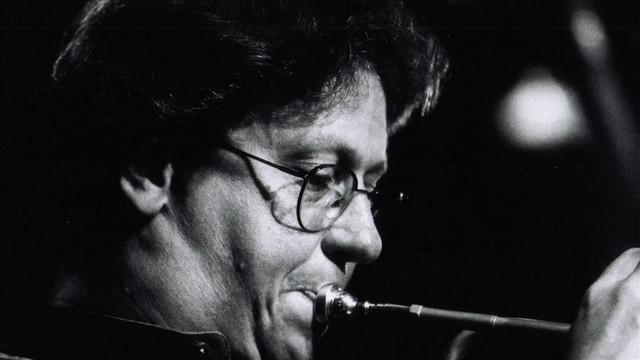
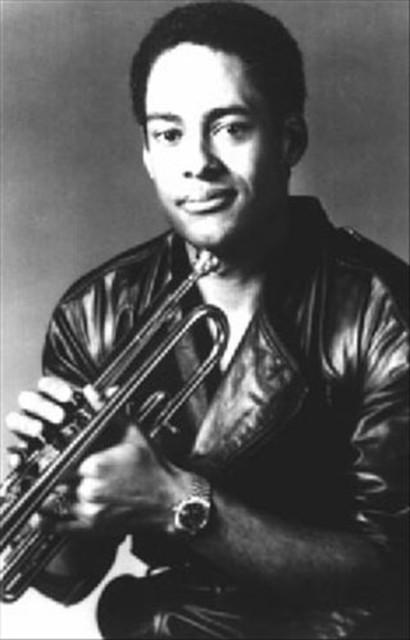
Jon Faddis’ Spotify BioWhen Jon Faddis burst on the jazz scene as a teenager, observers were amazed by his technique and his ability to sound like an identical twin of Dizzy Gillespie (whose complex style had never been successfully duplicated before). After a period, he was typecast as a Dizzy imitator but Faddis' remarkable range (hitting higher notes than Gillespie ever could) and the gradual development of his individual sound have helped him overcome the early fault. In fact, Faddis can now also imitate Roy Eldridge and Louis Armstrong quite well, too. Gillespie was always Faddis' idol, from the time he started playing trumpet at age eight. After moving to New York in the early '70s, Faddis played with Lionel Hampton and Charles Mingus (guesting on a recorded concert with the bassist when Roy Eldridge became ill) and then recorded two notable albums for Pablo including a duet session with Oscar Peterson. After playing a bit with Gillespie (their best encounters in the mid-'70s were unfortunately not… recorded), Faddis seemed to disappear, sticking to studio work and playing first trumpet with the Thad Jones/Mel Lewis Orchestra. After re-emerging in the mid-'80s, Faddis recorded for Concord and Epic and in 1993 became the musical director of the Carnegie Hall Jazz Orchestra. He released Teranga on Koch in 2006. ~ Scott Yanow, Rovi
Viberate is a music analytics platform built for A&Rs, artist managers, labels, booking agents, marketers, and artists.
It helps music professionals track artist growth, analyze audience data, monitor playlist activity, compare artists, follow song performance, and identify opportunities across the music market.
Public artist pages provide a free preview of selected artist data. Paid plans provide access to deeper analytics, historical data, charts, comparisons, playlist tools, exports, alerts, reports, and additional professional features.
Yes. Public Viberate artist pages provide selected artist analytics and music data for free.
Viberate also offers a 7-day free trial of the full platform. A credit card is required to start the trial. The trial includes access to the complete product so users can test deeper artist analytics, historical views, playlist insights, comparisons, charts, exports, alerts, and reporting features before choosing a paid plan.
Viberate provides artist analytics across streaming, playlists, social media, video, radio airplay, songs, and audience markets.
Users can analyze Spotify performance, Spotify and Apple Music playlists, YouTube activity, TikTok and Instagram growth, radio spins, song performance, audience locations, demographics, rankings, and overall artist momentum.
Artist profiles also connect to music charts, similar artists, and comparison tools, helping users benchmark performance and evaluate artists in context.
Viberate updates key artist and track data daily.
For followed artists and tracks, selected data is refreshed multiple times per day. This helps teams monitor playlist changes, streaming movement, audience growth, releases, and campaign performance with more current data.
Update frequency can vary depending on the metric and data source.
Yes. Viberate lets users compare up to five artists side by side across streaming, social media, audience, and engagement metrics.
Users can compare fanbase growth, audience demographics, locations, Spotify performance, social metrics, and other artist data over selected time periods.
Artist comparison can be used for A&R scouting, benchmarking, booking decisions, campaign planning, and evaluating artists with similar audiences or market positions.