Drexciya

Electronic
Techno
Other Electronic Music
 Viberate Rank: 112385
 Viberate Rank: 112385
 Monthly ListenersFollowers
 Subscribers
 Followers
 Followers
 FansTop Spotify Songs
| Track | 7-Day Streams | |
|---|---|---|
1 | 8.96K | |
2 | 5.61K | |
3 | 1.92K | |
4 | 1.72K | |
5 | 1.50K |
Top YouTube VideosMonthly ListenersFeatured in Playlists| Playlist | Followers | |
|---|---|---|
1 |  Genre Glitch Spotify | 469.73K |
2 |  IDM Essentials Spotify | 204.19K |
3 |  Detroit Techno Spotify | 106.25K |
4 |  🗝️ IF U PLZ 🗝️ carolineplz | 63.72K |
5 | GTA V Songs Leroy Witkamp | 54.39K |
Audience| City | Monthly Listeners | |
|---|---|---|
1 |  | 1.65K |
2 |  | 1.30K |
3 | | 905 |
4 | | 845 |
5 | | 804 |
See full performance history, audience data, playlist activity, rankings, comparisons, and more in Viberate music analytics. Start with a free trial, then continue with a paid plan.
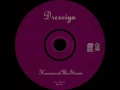
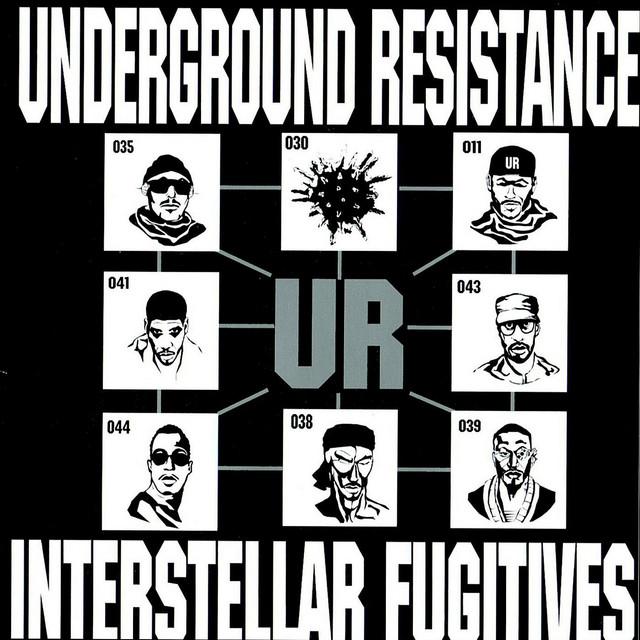
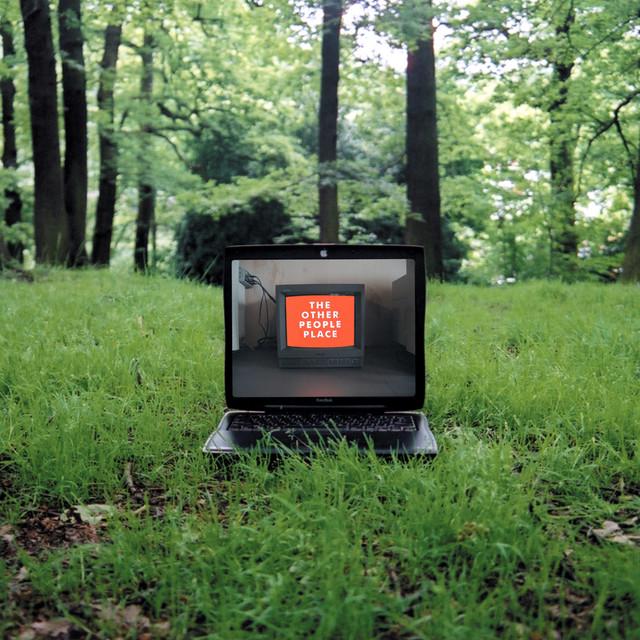
Drexciya’s Spotify BioAlthough they released only five EPs in their first ten years recording together, controversial Detroit techno duo Drexciya became one of the most celebrated and influential names in American experimental techno. One of the few groups to use techno as a political tool in effecting criticism of racial inequity and inner-city recovery, Drexciya brought a wider social and aesthetic agenda to a style in which allegiance to the beat is typically the only prerequisite. Closely associated with the "Mad" Mike Banks label group Underground Resistance and operating in the classically covert tradition of "faceless" techno (the pair's identities remain a mystery), the group's reputation at the bleeding edge of Detroit-school experimentation is pretty much universal, with everyone from Jeff Mills to Mike Paradinas getting in namechecks. Despite their steadfastly underground attitude, Drex's records have found release through such internationally renowned labels as Warp and Rephlex. Offering an… often relentless fusion of early electro and techno with elements of acid and industrial music, Drexciya's fast-beat backbone and tough-as-nails rhythmic bite are among the most austere and uncompromised in contemporary techno. Reportedly, the group record their material live, which gives much of their music (particularly their Shockwave and Underground Resistance releases) a vital, immediate feel. Much of their UR output was collected on 1997's The Quest, and a full-length (Neptune's Lair) followed on Tresor in 1999. Continuing with their underwater gimmick, the heavy-handed concept album Harnessed the Storm became the first in a series of "storm" records to come from the group. Releasing three more under different names (Transllusion's Opening of the Cerebral Gate, Shifted Phases' The Cosmic Memoirs of the Late Great Rupert J. Rosinthorpe, and the Other People Place's Lifestyles of the Laptop Cafe), the group left a massive collection of music for their fans by the end of 2002. ~ Sean Cooper, Rovi
Viberate is a music analytics platform built for A&Rs, artist managers, labels, booking agents, marketers, and artists.
It helps music professionals track artist growth, analyze audience data, monitor playlist activity, compare artists, follow song performance, and identify opportunities across the music market.
Public artist pages provide a free preview of selected artist data. Paid plans provide access to deeper analytics, historical data, charts, comparisons, playlist tools, exports, alerts, reports, and additional professional features.
Yes. Public Viberate artist pages provide selected artist analytics and music data for free.
Viberate also offers a 7-day free trial of the full platform. A credit card is required to start the trial. The trial includes access to the complete product so users can test deeper artist analytics, historical views, playlist insights, comparisons, charts, exports, alerts, and reporting features before choosing a paid plan.
Viberate provides artist analytics across streaming, playlists, social media, video, radio airplay, songs, and audience markets.
Users can analyze Spotify performance, Spotify and Apple Music playlists, YouTube activity, TikTok and Instagram growth, radio spins, song performance, audience locations, demographics, rankings, and overall artist momentum.
Artist profiles also connect to music charts, similar artists, and comparison tools, helping users benchmark performance and evaluate artists in context.
Viberate updates key artist and track data daily.
For followed artists and tracks, selected data is refreshed multiple times per day. This helps teams monitor playlist changes, streaming movement, audience growth, releases, and campaign performance with more current data.
Update frequency can vary depending on the metric and data source.
Yes. Viberate lets users compare up to five artists side by side across streaming, social media, audience, and engagement metrics.
Users can compare fanbase growth, audience demographics, locations, Spotify performance, social metrics, and other artist data over selected time periods.
Artist comparison can be used for A&R scouting, benchmarking, booking decisions, campaign planning, and evaluating artists with similar audiences or market positions.