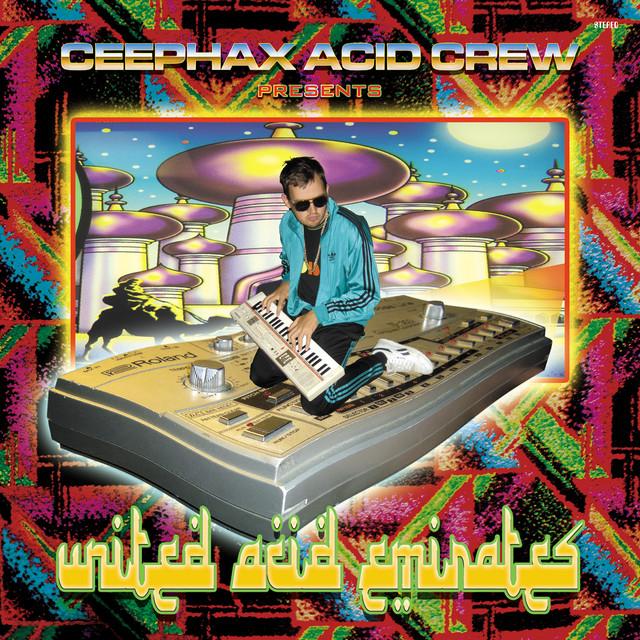
Ceephax Acid Crew

Electronic
Techno
Other Electronic Music
 Viberate Rank: 138761
 Viberate Rank: 138761
 Monthly ListenersFollowers
 Subscribers
 Followers
 Followers
 FansTop Spotify Songs
| Track | 7-Day Streams | |
|---|---|---|
1 | 1.02K | |
2 | 520 | |
3 | 316 | |
4 | 300 | |
5 | 254 |
Top YouTube VideosMonthly ListenersFeatured in Playlists| Playlist | Followers | |
|---|---|---|
1 |  303 Classics Spotify | 154.73K |
2 |  IDM - Intelligent Dance Music aka Braindance Sacred Ink | 23.56K |
3 |  my stick - Kornél Kovács Kornél Kovács | 10.28K |
4 |  songs to eat glass to Machine Girl | 8.89K |
5 | IDM Skyler Bubier | 7.57K |
Audience| City | Monthly Listeners | |
|---|---|---|
1 | | 343 |
2 |  | 136 |
3 | | 133 |
4 |  | 123 |
5 | | 116 |
See full performance history, audience data, playlist activity, rankings, comparisons, and more in Viberate music analytics. Start with a free trial, then continue with a paid plan.
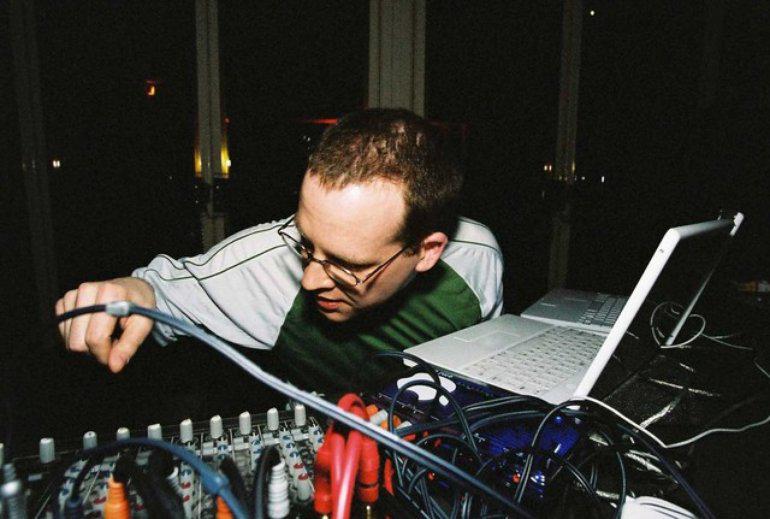
Ceephax Acid Crew’s Spotify Biob. Andrew Jenkinson, March 1979, Chelmsford, Essex, England. Andy Jenkinson aka Ceephax Acid Crew creates what he calls ‘squelchy electronic music’. The younger sibling of Tom Jenkinson aka Squarepusher fashions his curiously resonant music via a Roland TB-303, the transistor bass introduced in the early 80s and originally intended to emulate a real bass player but widely appropriated and abused as a sound source by enterprising dance musicians. After a series of EPs (predominantly featuring tracks with acid in the title), Ceephax Acid Crew finally released two albums in quick succession in 2003. The debut album was released via Breakin’ (the label run by Ed DMX) and compiled a disc’s worth of new tracks alongside the rare Breakin’ EPs, Bainted Smile and Radiotin. Curiously, the former EP included the track ‘Dennis Weaver Acid’, seemingly named after/inspired by the cult actor. Remarkably (given his association with a number of musicians, including his brother and the Aphex Twin, for… whom polemicism often seems to be a prime motivation) much of Ceephax Acid Crew’s appeal lay in its creator’s restraint and subtlety. A rapid follow-up, Exidy Tours, sounded more unhinged. Issued via the Belgium-based Firstcask label, the release juxtaposed wistful melodies (albeit performed on the 303) with the kind of messy neo-jungle that suggested Jenkinson’s brother was an influence after all. Notably, Jenkinson is regularly cited as the Aphex Twin’s favourite artist.
Viberate is a music analytics platform built for A&Rs, artist managers, labels, booking agents, marketers, and artists.
It helps music professionals track artist growth, analyze audience data, monitor playlist activity, compare artists, follow song performance, and identify opportunities across the music market.
Public artist pages provide a free preview of selected artist data. Paid plans provide access to deeper analytics, historical data, charts, comparisons, playlist tools, exports, alerts, reports, and additional professional features.
Yes. Public Viberate artist pages provide selected artist analytics and music data for free.
Viberate also offers a 7-day free trial of the full platform. A credit card is required to start the trial. The trial includes access to the complete product so users can test deeper artist analytics, historical views, playlist insights, comparisons, charts, exports, alerts, and reporting features before choosing a paid plan.
Viberate provides artist analytics across streaming, playlists, social media, video, radio airplay, songs, and audience markets.
Users can analyze Spotify performance, Spotify and Apple Music playlists, YouTube activity, TikTok and Instagram growth, radio spins, song performance, audience locations, demographics, rankings, and overall artist momentum.
Artist profiles also connect to music charts, similar artists, and comparison tools, helping users benchmark performance and evaluate artists in context.
Viberate updates key artist and track data daily.
For followed artists and tracks, selected data is refreshed multiple times per day. This helps teams monitor playlist changes, streaming movement, audience growth, releases, and campaign performance with more current data.
Update frequency can vary depending on the metric and data source.
Yes. Viberate lets users compare up to five artists side by side across streaming, social media, audience, and engagement metrics.
Users can compare fanbase growth, audience demographics, locations, Spotify performance, social metrics, and other artist data over selected time periods.
Artist comparison can be used for A&R scouting, benchmarking, booking decisions, campaign planning, and evaluating artists with similar audiences or market positions.