Dillon Fence

Rock
Alternative Rock
Power Pop
 Viberate Rank: 406790
 Viberate Rank: 406790
 Monthly ListenersFollowers
 Subscribers
 Followers
 Followers
 FansTop Spotify Songs
| Track | 7-Day Streams | |
|---|---|---|
1 | 335 | |
2 | 187 | |
3 | 171 | |
4 | 168 | |
5 | 152 |
Top YouTube VideosMonthly ListenersFeatured in Playlists| Playlist | Followers | |
|---|---|---|
1 |  Highway Bike Ride hrwhite4 | 16.23K |
2 | 120 Minutes full Archive frankspin | 7.87K |
3 | best of 80s 22uybsssouepbjvrxibibbxda | 4.55K |
4 | 90s Massive Playlist Billy Rush | 4.11K |
5 | 80's Massive Playlist Billy Rush | 4.01K |
Audience| City | Monthly Listeners | |
|---|---|---|
1 | | 260 |
2 | | 138 |
3 | | 70 |
4 | | 56 |
5 | | 48 |
See full performance history, audience data, playlist activity, rankings, comparisons, and more in Viberate music analytics. Start with a free trial, then continue with a paid plan.
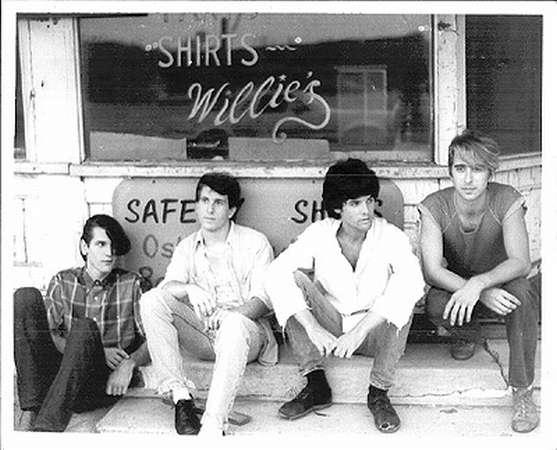
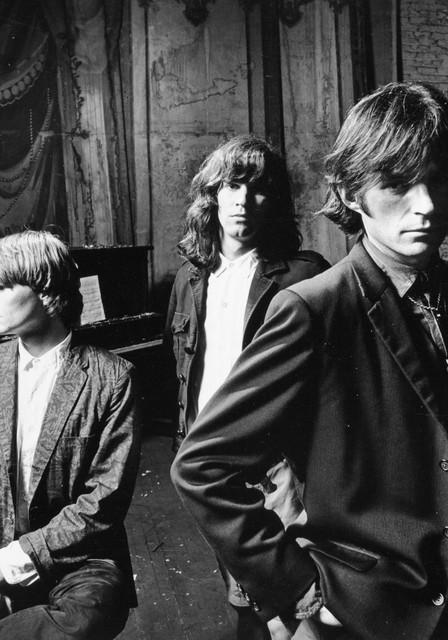
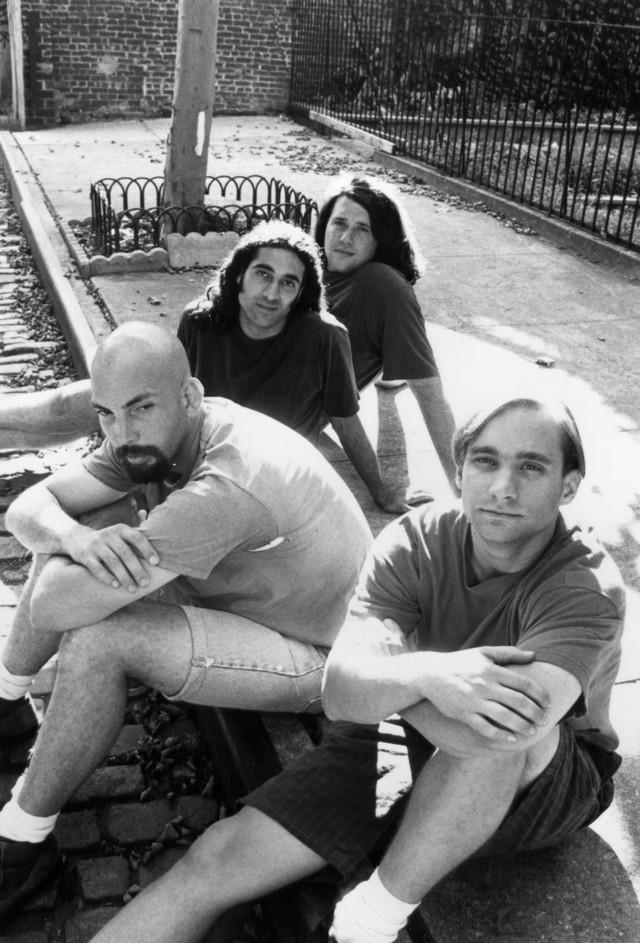
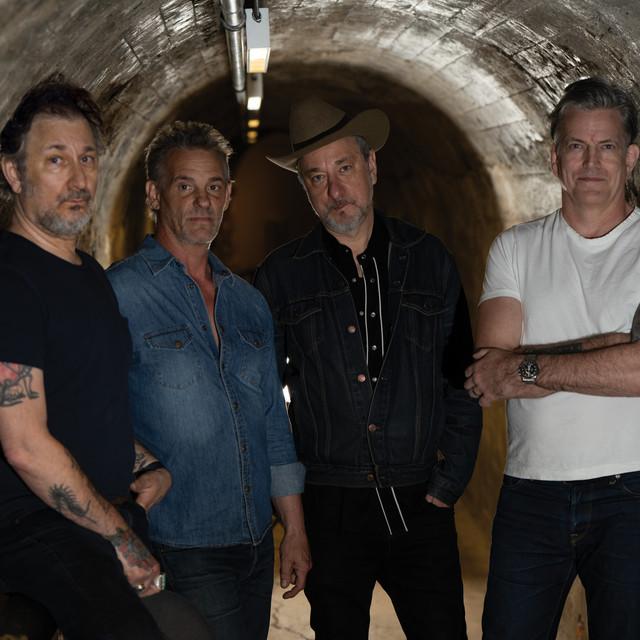
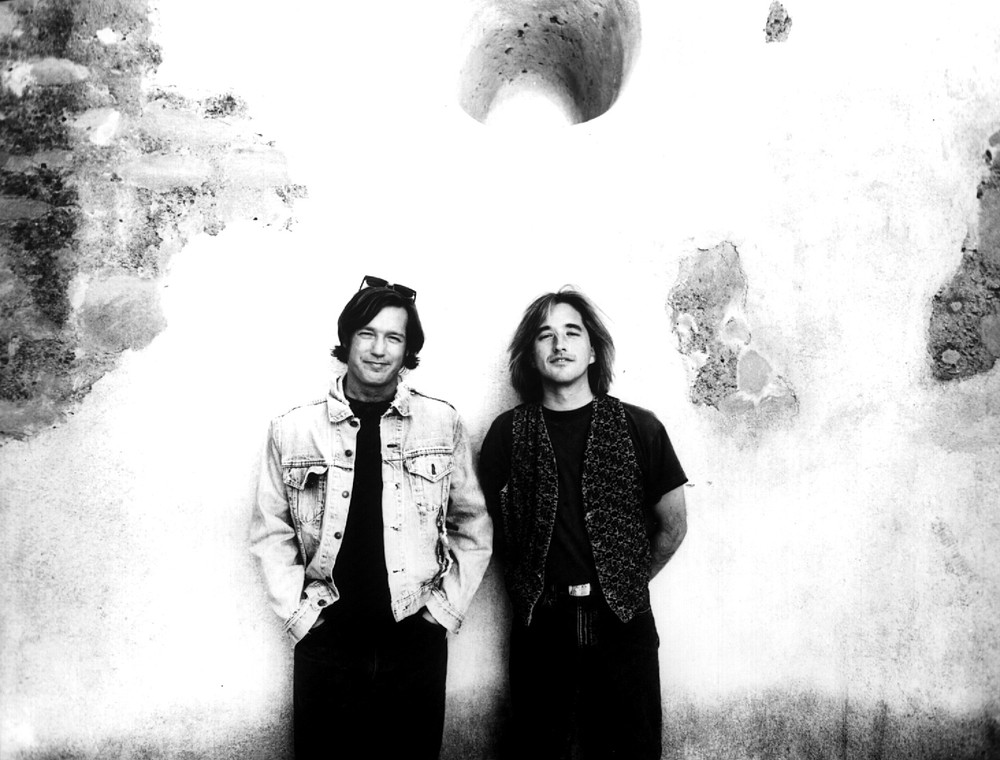
Dillon Fence’s Spotify BioAlthough Dillon Fence released three full-length albums and several stand-alone EPs between 1991 and 1994, and at one point was the highest profile group on Mammoth Records after Juliana Hatfield and the Blake Babies, the band never got much in the way of critical acclaim, nor did their records spark much word of mouth outside of a small cult audience based in their native North Carolina. That said, there's a low-key charm to their brand of genial jangle pop that fans of the Connells or Guadalcanal Diary will most likely find appealing.
The roots of Dillon Fence stretch back to a high school band formed by guitarist Greg Humphreys and bassist Chris Goode in their hometown of Winston-Salem, NC. After winning a high school battle of the bands, Humphreys and Goode's group gigged around town for a couple of years but split up in 1985 when the members left for different colleges. The following year, Humphreys introduced Goode to a guitarist friend from the University of North Carolina, Kent… Alphin. Inspired to play together again by the songs Humphreys and Goode had completed on their own, the pair joined with Alphin and drummer Brooke Pitts to form a new group called the Magoos, which they changed to Dillon Fence after a strange piece of outsider art Humphreys and Alphin had seen in the town of Dillon, SC, shortly before their first show.
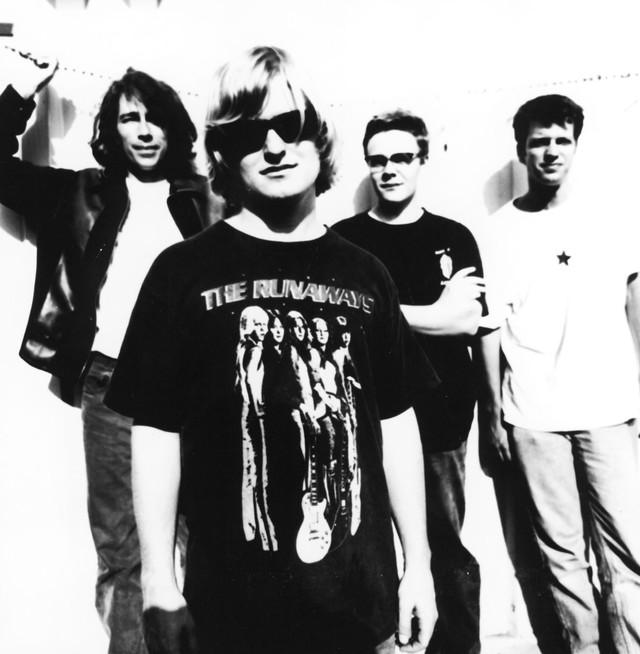
After a period on the North Carolina fraternity house circuit (during which they shared several stages with another struggling local group called Hootie & the Blowfish) and a change of drummers (Pitts ceding the stool to Scott Carle), the band's self-titled EP/demo tape caught the attention of Mammoth Records, which signed the band in 1991. Their first EP, Christmas, was released late that year as a teaser for 1992's full-length Rosemary. Another EP, Daylight, followed later in 1992 as a stopgap release before the much-improved second album Outside In, which sold appreciably better and got more positive reviews than the debut. To catch everyone up, Mammoth reissued Dillon Fence, the six-song EP that had gotten the group signed, later in 1993. The following year, Living Room Scene added a cocksure dollop of '70s rock & roll, similar to Matthew Sweet's Altered Beast or Primal Scream's Give Out But Don't Give Up, but although this album was even more successful than Outside In, the group was splintering under the pressures of recording and touring. Alphin and Goode left the band, replaced by Jim Smith and Andy Ware, and the group proceeded to the next level of indie success: a theater tour opening for the Black Crowes followed by an extended stadium tour opening for Hootie & the Blowfish, with whom Dillon Fence had made a pact during their early struggling days that if one group made it big, they'd bring the other along. That leg-up from their superstar friends didn't help and Dillon Fence split up in 1995 after Mammoth Records rejected the demos for their fourth album.
Greg Humphreys and Andy Ware formed the more rocking Hobex, which signed to Sire Records in the late '90s, while Scott Carle and Kent Alphin formed a more reflective, folk-tinged band called Granger, which released 1996's Underwater Hum on Shanachie. Unexpectedly, the original recording lineup of Dillon Fence re-formed in 2001 for a series of shows. Live at the Cat's Cradle came out later that year, with rumors of a new studio album to follow. ~ Stewart Mason, Rovi
Viberate is a music analytics platform built for A&Rs, artist managers, labels, booking agents, marketers, and artists.
It helps music professionals track artist growth, analyze audience data, monitor playlist activity, compare artists, follow song performance, and identify opportunities across the music market.
Public artist pages provide a free preview of selected artist data. Paid plans provide access to deeper analytics, historical data, charts, comparisons, playlist tools, exports, alerts, reports, and additional professional features.
Yes. Public Viberate artist pages provide selected artist analytics and music data for free.
Viberate also offers a 7-day free trial of the full platform. A credit card is required to start the trial. The trial includes access to the complete product so users can test deeper artist analytics, historical views, playlist insights, comparisons, charts, exports, alerts, and reporting features before choosing a paid plan.
Viberate provides artist analytics across streaming, playlists, social media, video, radio airplay, songs, and audience markets.
Users can analyze Spotify performance, Spotify and Apple Music playlists, YouTube activity, TikTok and Instagram growth, radio spins, song performance, audience locations, demographics, rankings, and overall artist momentum.
Artist profiles also connect to music charts, similar artists, and comparison tools, helping users benchmark performance and evaluate artists in context.
Viberate updates key artist and track data daily.
For followed artists and tracks, selected data is refreshed multiple times per day. This helps teams monitor playlist changes, streaming movement, audience growth, releases, and campaign performance with more current data.
Update frequency can vary depending on the metric and data source.
Yes. Viberate lets users compare up to five artists side by side across streaming, social media, audience, and engagement metrics.
Users can compare fanbase growth, audience demographics, locations, Spotify performance, social metrics, and other artist data over selected time periods.
Artist comparison can be used for A&R scouting, benchmarking, booking decisions, campaign planning, and evaluating artists with similar audiences or market positions.