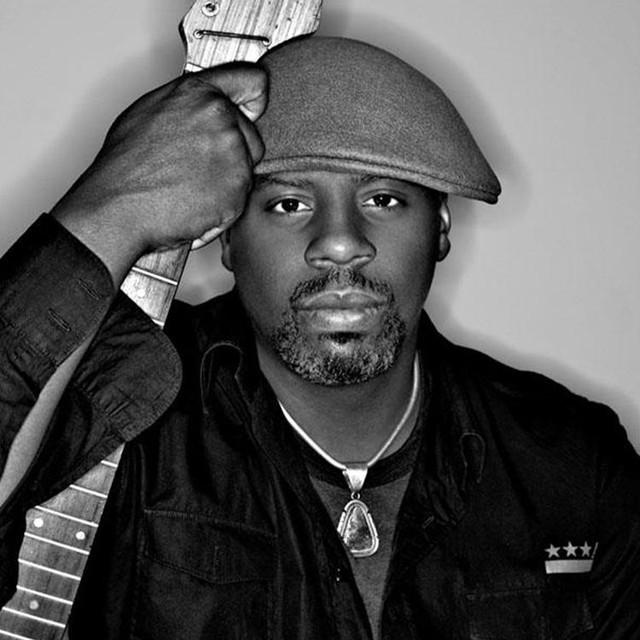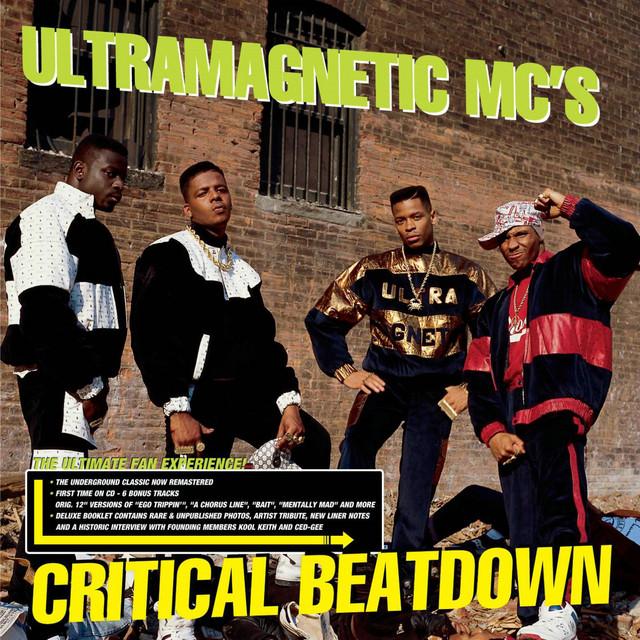
DJ Grand Wizard Theodore

Hip Hop
Contemporary Hip Hop
Trap
 Viberate Rank: 455044
 Viberate Rank: 455044
 Monthly ListenersFollowers
 Subscribers
 Followers
 Followers
 FansTop Spotify Songs
| Track | 7-Day Streams | |
|---|---|---|
1 | 836 | |
2 | 264 | |
3 | 184 | |
4 | 87 | |
5 | 70 |
Top YouTube VideosMonthly ListenersFeatured in Playlists| Playlist | Followers | |
|---|---|---|
1 |  I Love My '80s Hip-Hop Spotify | 459.58K |
2 |  Summertime Hip-Hop Starbucks | 18.83K |
3 | Samples: Hip Hop & Rap Alex Barbosa | 18.05K |
4 |  Living In My Headphones James Lavelle (UNKLE) | 16.04K |
5 |  Hip Hop Evolution (All 4 Seasons) Emma Moore | 10.52K |
Audience| City | Monthly Listeners | |
|---|---|---|
1 |  | 67 |
2 |  | 57 |
3 | | 46 |
4 | | 45 |
5 | | 34 |
See full performance history, audience data, playlist activity, rankings, comparisons, and more in Viberate music analytics. Start with a free trial, then continue with a paid plan.
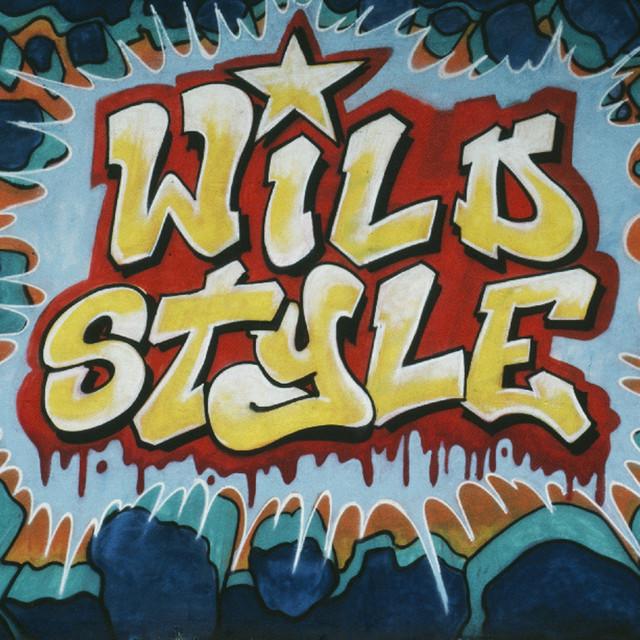
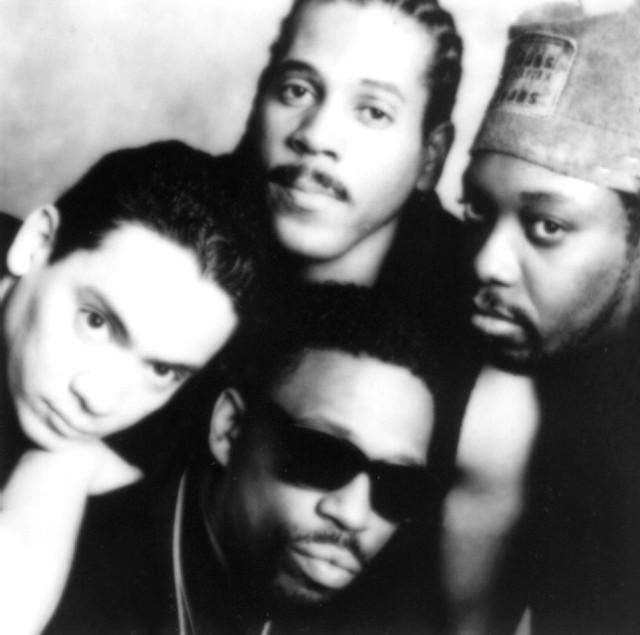
DJ Grand Wizard Theodore’s Spotify BioOne of early hip-hop's most skilled DJs, Grand Wizard Theodore is universally acknowledged as the inventor of the scratch. Grandmaster Flash pioneered many early turntable techniques, including "cutting" records (manually cueing up duplicate copies of the same record in order to play the same passage, cutting back and forth between them), but it was the young Theodore who built on Flash's work by taking the scratching sound made when the records were cued, and adding a rhythm that made the turntable into a percussion instrument the DJ could "play." Theodore is also credited with pioneering the needle drop, a technique where, instead of cueing up the record silently, the DJ simply drops the needle onto the exact start of the passage to be played. Grand Wizard Theodore was born Theodore Livingstone and grew up in the Bronx. His older brothers Gene and Claudio were an early hip-hop duo called the L-Brothers, and they frequently collaborated with Grandmaster Flash. Flash discovered that… young Theodore (not even a teenager yet) had a natural affinity for the turntables, and when Flash spun records in public parks, he would sometimes set up a milk crate to let Theodore DJ. According to legend, Theodore invented scratching largely by accident, circa 1977 (when he was about 13 or 14); holed up in his bedroom playing records, Theodore had to pause to hear his mother scold him about the volume, and happened to move one of the records back and forth. He liked the sound and played with it often, developing the technique until it was ready for public performance. Flash picked up on it quickly, and Theodore in turn began copying Flash's acrobatic record-spinning tricks (using his elbows, feet, etc.). By the time the '80s rolled around, Grand Wizard Theodore was one of the top DJs in New York. He hooked up with a crew that was most often billed as Grand Wizard Theodore and the Fantastic 5 MCs, which released the cult classic single "Can I Get a Soul Clap" in 1980 on the Tuff City label. The group never recorded a proper album, but they did appear in the 1983 old school hip-hop film Wild Style (which later became a cult classic); they recorded several songs on the soundtrack and appeared in an MC battle sequence with their chief rivals the Cold Crush Brothers. While Grand Wizard Theodore never received the same wide acclaim as Grandmaster Flash during his career, he was eventually rediscovered by hip-hop historians, which helped him land some international DJ gigs in the '90s. He also appeared at the Rock and Roll Hall of Fame's 1999 hip-hop conference, and teaches advanced classes in the art of DJing. ~ Steve Huey, Rovi
Viberate is a music analytics platform built for A&Rs, artist managers, labels, booking agents, marketers, and artists.
It helps music professionals track artist growth, analyze audience data, monitor playlist activity, compare artists, follow song performance, and identify opportunities across the music market.
Public artist pages provide a free preview of selected artist data. Paid plans provide access to deeper analytics, historical data, charts, comparisons, playlist tools, exports, alerts, reports, and additional professional features.
Yes. Public Viberate artist pages provide selected artist analytics and music data for free.
Viberate also offers a 7-day free trial of the full platform. A credit card is required to start the trial. The trial includes access to the complete product so users can test deeper artist analytics, historical views, playlist insights, comparisons, charts, exports, alerts, and reporting features before choosing a paid plan.
Viberate provides artist analytics across streaming, playlists, social media, video, radio airplay, songs, and audience markets.
Users can analyze Spotify performance, Spotify and Apple Music playlists, YouTube activity, TikTok and Instagram growth, radio spins, song performance, audience locations, demographics, rankings, and overall artist momentum.
Artist profiles also connect to music charts, similar artists, and comparison tools, helping users benchmark performance and evaluate artists in context.
Viberate updates key artist and track data daily.
For followed artists and tracks, selected data is refreshed multiple times per day. This helps teams monitor playlist changes, streaming movement, audience growth, releases, and campaign performance with more current data.
Update frequency can vary depending on the metric and data source.
Yes. Viberate lets users compare up to five artists side by side across streaming, social media, audience, and engagement metrics.
Users can compare fanbase growth, audience demographics, locations, Spotify performance, social metrics, and other artist data over selected time periods.
Artist comparison can be used for A&R scouting, benchmarking, booking decisions, campaign planning, and evaluating artists with similar audiences or market positions.