Fab 5 Freddy

Hip Hop
Contemporary Hip Hop
Alternative Hip Hop
 Viberate Rank: 118848
 Viberate Rank: 118848
 Monthly ListenersFollowers
 Subscribers
 Followers
 Followers
 FansTop Spotify Songs
| Track | 7-Day Streams | |
|---|---|---|
1 | 725 | |
2 | 303 | |
3 | 249 | |
4 | 217 | |
5 | 217 |
Top YouTube VideosMonthly ListenersFeatured in Playlists| Playlist | Followers | |
|---|---|---|
1 |  Venom Holiday Party PlayStation®️ | 55.12K |
2 |  Every Track Star* Song Track Star* | 36.86K |
3 |  Snowfall: The Complete Soundtrack Penelope Pitstomp | 24.13K |
4 | Perks | 19.88K |
5 |  Summertime Hip-Hop Starbucks | 18.83K |
Audience| City | Monthly Listeners | |
|---|---|---|
1 |  | 92 |
2 | | 69 |
3 | | 68 |
4 |  | 55 |
5 | | 54 |
See full performance history, audience data, playlist activity, rankings, comparisons, and more in Viberate music analytics. Start with a free trial, then continue with a paid plan.
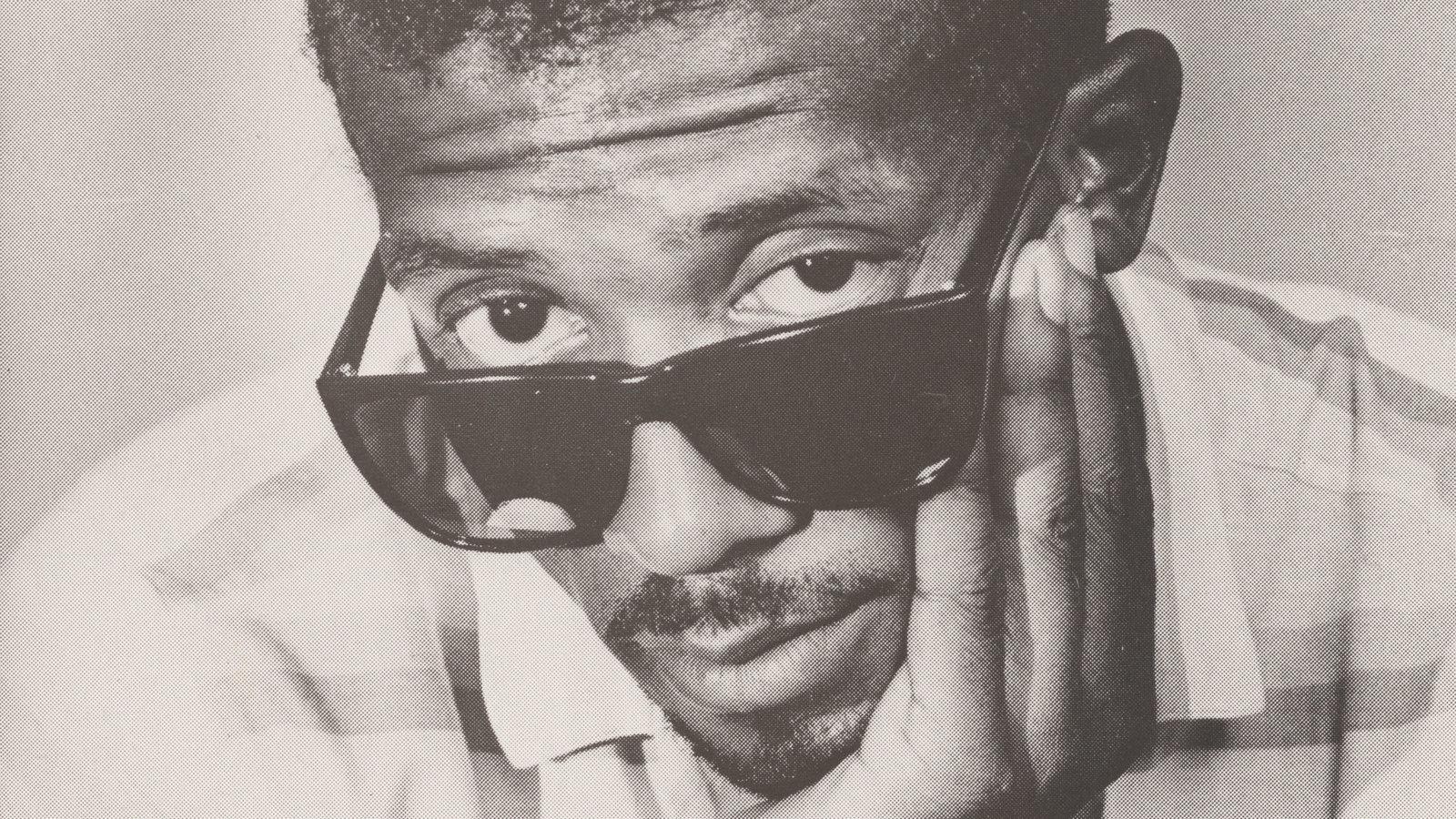
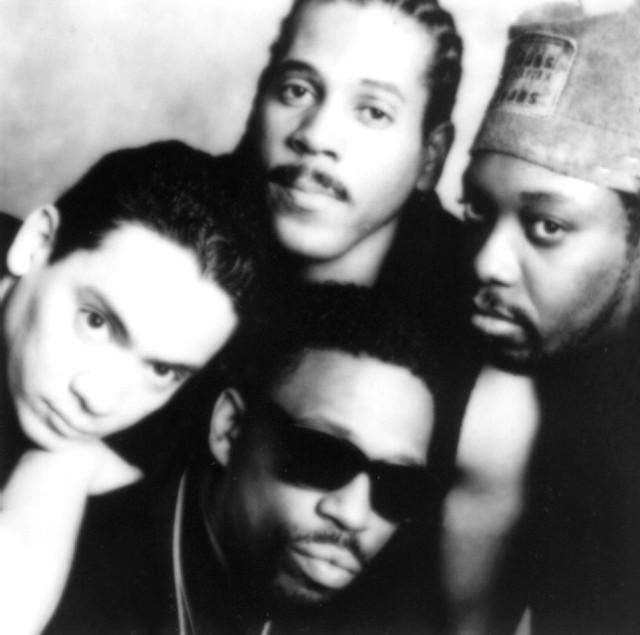
Fab 5 Freddy’s Spotify BioOne of rap's most colorful and recognizable characters, at various points in his life Fab Five Freddy has been a nationally exhibited painter, an actor, a screenwriter, a rapper, a graffiti artist, a producer, and a host for MTV, each endeavor carrying Freddy's trademark zeal and charisma.
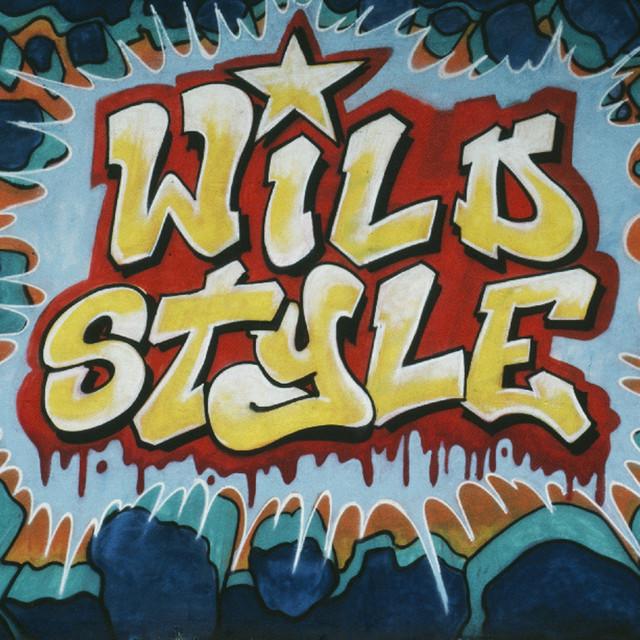
Growing up in the Bedford-Stuyvesant section of New York, Freddy first entered the underground culture as a popular graffiti artist. Using the tags "Bull 99" and "Fred Fab 5," Freddy's work became a fixture on subway cars and walls throughout the city. Graduating from high school in the late '70s, the young artist studied painting at Medgar Evans College, where he emulated the pop art of Andy Warhol. After fostering a friendship with music columnist Glenn O'Brien, Freddy became a cameraman and regular guest on his public-access show. It was through this friendship that Fab Five was introduced to the downtown hipster scene, which included Debbie Harry of the group Blondie, Warhol, Keith Haring, and… Jean-Michel Basquiat (Harry even mentioned Freddy in the lyrics of Blondie's 1981 hit "Rapture"). Though he pursued painting throughout the early '80s, Freddy gradually became more interested in other aspects of Black culture including breakdancing and hip-hop. This interest led to his production of the soundtrack album and a lead role in the 1982 film Wild Style.
During the late '80s Freddy began directing videos for rappers such as KRS-One, Shabba Ranks, Queen Latifah, EPMD, and others. At around the same time, Fab Five was also approached by MTV producer Ted Demme to host a new show, Yo! MTV Raps. Through his exposure on MTV, Freddy was widely acknowledged as a champion and founding father of hip-hop culture. In 1992, the multimedia star compiled a dictionary of hip-hop slang titled Fresh Fly Flavor. ~ Steve Kurutz, Rovi
Viberate is a music analytics platform built for A&Rs, artist managers, labels, booking agents, marketers, and artists.
It helps music professionals track artist growth, analyze audience data, monitor playlist activity, compare artists, follow song performance, and identify opportunities across the music market.
Public artist pages provide a free preview of selected artist data. Paid plans provide access to deeper analytics, historical data, charts, comparisons, playlist tools, exports, alerts, reports, and additional professional features.
Yes. Public Viberate artist pages provide selected artist analytics and music data for free.
Viberate also offers a 7-day free trial of the full platform. A credit card is required to start the trial. The trial includes access to the complete product so users can test deeper artist analytics, historical views, playlist insights, comparisons, charts, exports, alerts, and reporting features before choosing a paid plan.
Viberate provides artist analytics across streaming, playlists, social media, video, radio airplay, songs, and audience markets.
Users can analyze Spotify performance, Spotify and Apple Music playlists, YouTube activity, TikTok and Instagram growth, radio spins, song performance, audience locations, demographics, rankings, and overall artist momentum.
Artist profiles also connect to music charts, similar artists, and comparison tools, helping users benchmark performance and evaluate artists in context.
Viberate updates key artist and track data daily.
For followed artists and tracks, selected data is refreshed multiple times per day. This helps teams monitor playlist changes, streaming movement, audience growth, releases, and campaign performance with more current data.
Update frequency can vary depending on the metric and data source.
Yes. Viberate lets users compare up to five artists side by side across streaming, social media, audience, and engagement metrics.
Users can compare fanbase growth, audience demographics, locations, Spotify performance, social metrics, and other artist data over selected time periods.
Artist comparison can be used for A&R scouting, benchmarking, booking decisions, campaign planning, and evaluating artists with similar audiences or market positions.