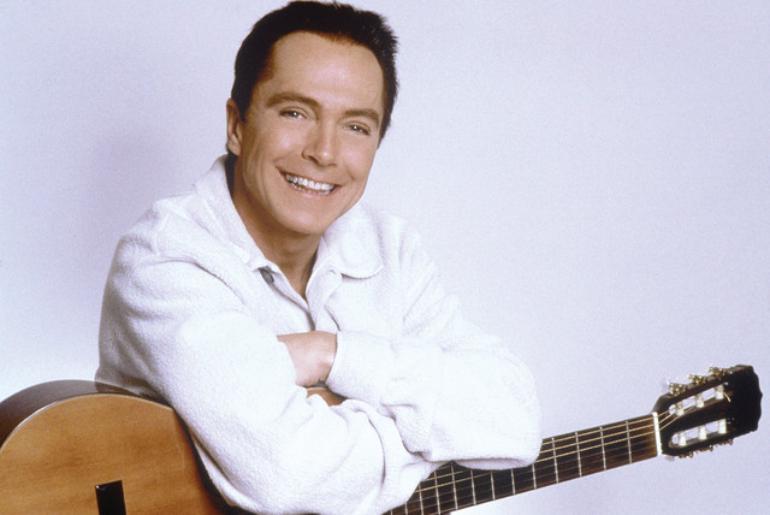
David Cassidy

Pop
Mainstream Pop
 Viberate Rank: 58883
 Viberate Rank: 58883
 Monthly ListenersFollowers
 Subscribers
 Followers
 Followers
 FansTop Spotify Songs
| Track | 7-Day Streams | |
|---|---|---|
1 | 73.61K | |
2 | 10.95K | |
3 | 8.44K | |
4 | 6.36K | |
5 | 6.12K |
Top YouTube VideosMonthly ListenersFeatured in Playlists| Playlist | Followers | |
|---|---|---|
1 |  Scrubs - All Songs Leo Otto | 80.97K |
2 |  MARVEL SONGS. fxrnandx_ | 73.45K |
3 |  Upbeat Oldies (70's 80's 90's) 😎 Oh Yeah Em | 60.60K |
4 |  80’s Pop Steven J. Madrid | 43.34K |
5 | 80s Stefan Schilo | 40.77K |
Audience| City | Monthly Listeners | |
|---|---|---|
1 |  | 3.68K |
2 |  | 3.61K |
3 | | 3.52K |
4 |  | 3.18K |
5 | | 2.90K |
See full performance history, audience data, playlist activity, rankings, comparisons, and more in Viberate music analytics. Start with a free trial, then continue with a paid plan.
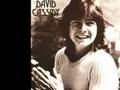
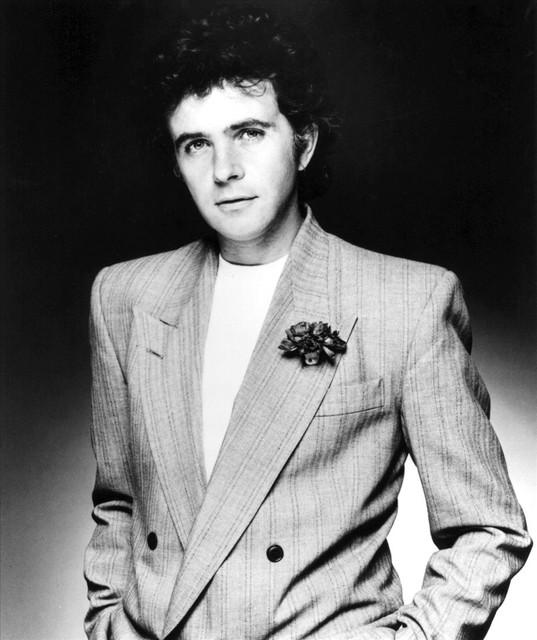
David Cassidy’s Spotify BioSon of actors Evelyn Ward and Jack Cassidy, David Cassidy had one of the most variety-filled careers in the entertainment industry. He first got his start on the television series The Partridge Family, where he portrayed the singing teen heartthrob Keith Partidge. The show featured a family traveling the country and playing music in a rock band, which even included his real-life stepmother/on-screen mother, Shirley Jones. The role carried over into his real life, where he was regarded in a similar manner by an enthusiastic teen audience. He suddenly found himself making hit singles of his own and garnering Grammy nominations for his efforts; his fan club even became the largest in the history of the music industry.
Massive global merchandising helped him sell millions of records, but by the mid-'70s he was practically driven from the spotlight by a teen market hungry for new talent. He turned to acting for a while, making notable television and stage appearances for many years. His… roles even brought him to Broadway and London's West End, where he regained credibility as a dramatic and musical theater actor. He continued this phase of his career into the '90s, when nostalgia and VH1 helped him gain a bigger public spotlight than he had seen in years. He rode that right into a position at the MGM Grand Hotel in 1996, when he opened the 75 million dollar show EFX under much speculation of his drawing power. He revamped several aspects of the production and fine-tuned it until it became one of the biggest attractions in Las Vegas, and his nightly performances became a huge moneymaker for both Cassidy and the hotel. The show garnered many awards, and this gave him the clout to see his Rat Pack Is Back stage show brought to life at the Sahara Hotel & Casino in 1999.
Two other shows, At the Copa and David Inc., opened the next year at the Rio Hotel, but Cassidy had his sights set on returning to the touring circuit with his newfound popularity. He started a world tour in 2001 and even secured a new record deal to release his high-concept stage/music ideas to home audiences. Through the 2000s and beyond, Cassidy made television appearances and continued to tour, until announcing in early 2017 that he had dementia. In November of that year he died in a Fort Lauderdale, Florida area hospital at the age of 67. ~ Bradley Torreano, Rovi
Viberate is a music analytics platform built for A&Rs, artist managers, labels, booking agents, marketers, and artists.
It helps music professionals track artist growth, analyze audience data, monitor playlist activity, compare artists, follow song performance, and identify opportunities across the music market.
Public artist pages provide a free preview of selected artist data. Paid plans provide access to deeper analytics, historical data, charts, comparisons, playlist tools, exports, alerts, reports, and additional professional features.
Yes. Public Viberate artist pages provide selected artist analytics and music data for free.
Viberate also offers a 7-day free trial of the full platform. A credit card is required to start the trial. The trial includes access to the complete product so users can test deeper artist analytics, historical views, playlist insights, comparisons, charts, exports, alerts, and reporting features before choosing a paid plan.
Viberate provides artist analytics across streaming, playlists, social media, video, radio airplay, songs, and audience markets.
Users can analyze Spotify performance, Spotify and Apple Music playlists, YouTube activity, TikTok and Instagram growth, radio spins, song performance, audience locations, demographics, rankings, and overall artist momentum.
Artist profiles also connect to music charts, similar artists, and comparison tools, helping users benchmark performance and evaluate artists in context.
Viberate updates key artist and track data daily.
For followed artists and tracks, selected data is refreshed multiple times per day. This helps teams monitor playlist changes, streaming movement, audience growth, releases, and campaign performance with more current data.
Update frequency can vary depending on the metric and data source.
Yes. Viberate lets users compare up to five artists side by side across streaming, social media, audience, and engagement metrics.
Users can compare fanbase growth, audience demographics, locations, Spotify performance, social metrics, and other artist data over selected time periods.
Artist comparison can be used for A&R scouting, benchmarking, booking decisions, campaign planning, and evaluating artists with similar audiences or market positions.