Hurricane Smith

Rock
Pop Rock
Mainstream Pop
 Viberate Rank: 127761
 Viberate Rank: 127761
 Monthly ListenersFollowers
 Subscribers
 Followers
 Followers
 FansTop Spotify Songs
| Track | 7-Day Streams | |
|---|---|---|
1 | 26.93K | |
2 | 4.44K | |
3 | 3.94K | |
4 | 1.45K | |
5 | 996 |
Top YouTube VideosMonthly ListenersFeatured in Playlists| Playlist | Followers | |
|---|---|---|
1 |  Seventies Hits 1970-1979 Victor Legerstee | 22.46K |
2 | Jaren 60 en 70 teuntje60 | 17.65K |
3 |  ANOS 70: A DÉCADA DE OURO Iohanan | 16.73K |
4 | Century — Lover Why - Original Version 1985 eliasjosecorrea | 12.03K |
5 |  Awsome Mixtape Vol. 1-3 123balder123 | 8.89K |
Audience| City | Monthly Listeners | |
|---|---|---|
1 |  | 1.55K |
2 |  | 1.50K |
3 | | 1.50K |
4 | | 1.29K |
5 | | 1.15K |
See full performance history, audience data, playlist activity, rankings, comparisons, and more in Viberate music analytics. Start with a free trial, then continue with a paid plan.
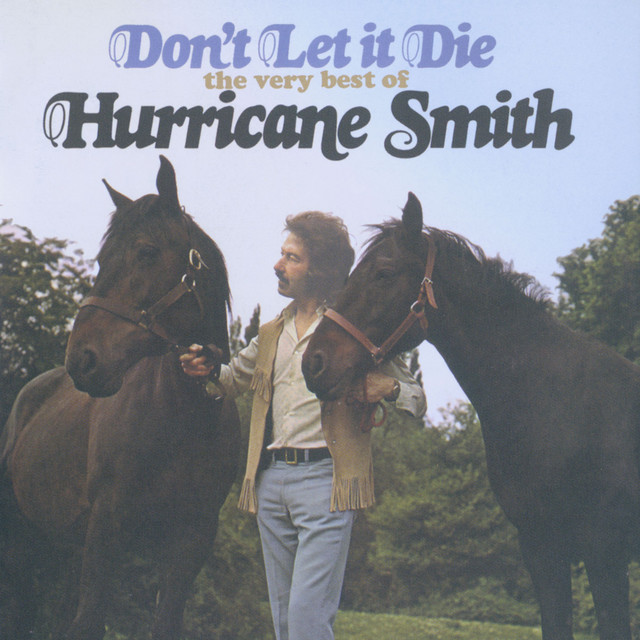
Hurricane Smith’s Spotify BioNorman "Hurricane" Smith was a man who enjoyed two very different careers in music, first as a top recording engineer and later as a pop singer who scored Top Ten hits in the United States and the United Kingdom. Born in North London, England on February 22, 1923, Smith served in the Royal Air Force during World War II as a glider pilot. After the war, he began pursuing his interest in music, playing drums and piano with several trad jazz combos. Smith's career as a jazz musician never really took off, and in 1959, he took a position as an apprentice recording engineer at EMI's Abbey Road recording studio in London. (At that time, EMI didn't hire apprentice engineers over 28, so the 35-year-old Smith fudged his age on the application.) He started as a tape operator and was advanced to balance engineer, working under EMI staff producer George Martin. Smith was at the controls when a scruffy young beat combo from Liverpool came to Abbey Road to record an audition for Martin; it was in… part due to Smith's enthusiasm for the song "Love Me Do" that Martin chose to sign the Beatles to a recording contract. From 1962 to 1965, Smith was George Martin's right-hand man in the studio, engineering all the Beatles' recording sessions and earning the nickname "Norman Normal" from John Lennon. In 1966, EMI made Smith an A&R man and producer, and he signed Pink Floyd to the label, producing their first two albums, as well as producing the Pretty Things' pioneering concept album S.F. Sorrow and several LPs for Barclay James Harvest. In 1972, Smith decided to take some time off from the recording studio to become a performer; clearly influenced by classic pop and jazz sounds as well as the era of the British musical hall, he adopted the stage name Hurricane Smith (taken from the title of a film he liked), and recorded a handful of sentimental, old-fashioned tunes he'd written, which he performed with his warm, slightly rough voice. One of those songs, "Oh Babe, What Would You Say?" became a surprise hit in the U.S. and the U.K., and suddenly the middle-aged recording engineer became a pop star. Smith would score a few more hits in England but was destined to be a one-hit wonder in the United States, and by the mid-'70s, he'd returned to producing and engineering. In the '80s, Smith retired from the music business and took up horse breeding, but in 2003, he cut a new album as Hurricane Smith, From Me to You, in which he re-recorded several of his old hits and shared stories of his life in music. Smith also wrote a privately published book, John Lennon Called Me Normal, about his years working with the Beatles. Published in 2007, he promoted the book with readings at Beatles fan conventions; they were his last public appearances, and he died on March 3, 2008. ~ Mark Deming, Rovi
Viberate is a music analytics platform built for A&Rs, artist managers, labels, booking agents, marketers, and artists.
It helps music professionals track artist growth, analyze audience data, monitor playlist activity, compare artists, follow song performance, and identify opportunities across the music market.
Public artist pages provide a free preview of selected artist data. Paid plans provide access to deeper analytics, historical data, charts, comparisons, playlist tools, exports, alerts, reports, and additional professional features.
Yes. Public Viberate artist pages provide selected artist analytics and music data for free.
Viberate also offers a 7-day free trial of the full platform. A credit card is required to start the trial. The trial includes access to the complete product so users can test deeper artist analytics, historical views, playlist insights, comparisons, charts, exports, alerts, and reporting features before choosing a paid plan.
Viberate provides artist analytics across streaming, playlists, social media, video, radio airplay, songs, and audience markets.
Users can analyze Spotify performance, Spotify and Apple Music playlists, YouTube activity, TikTok and Instagram growth, radio spins, song performance, audience locations, demographics, rankings, and overall artist momentum.
Artist profiles also connect to music charts, similar artists, and comparison tools, helping users benchmark performance and evaluate artists in context.
Viberate updates key artist and track data daily.
For followed artists and tracks, selected data is refreshed multiple times per day. This helps teams monitor playlist changes, streaming movement, audience growth, releases, and campaign performance with more current data.
Update frequency can vary depending on the metric and data source.
Yes. Viberate lets users compare up to five artists side by side across streaming, social media, audience, and engagement metrics.
Users can compare fanbase growth, audience demographics, locations, Spotify performance, social metrics, and other artist data over selected time periods.
Artist comparison can be used for A&R scouting, benchmarking, booking decisions, campaign planning, and evaluating artists with similar audiences or market positions.