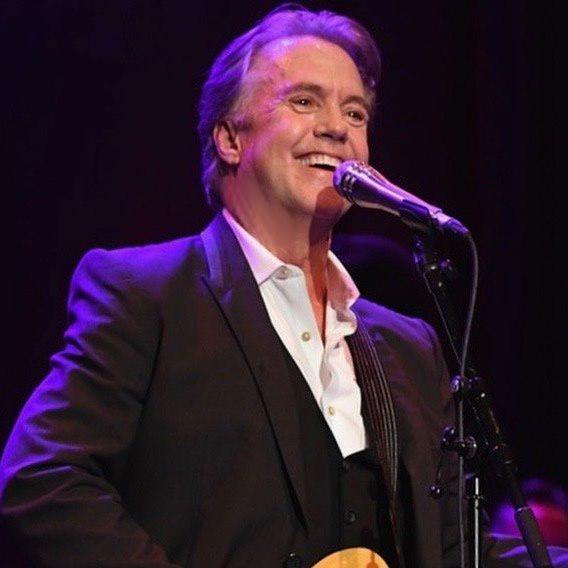
Shaun Cassidy

Rock
Pop Rock
Mainstream Pop
 Viberate Rank: 69108
 Viberate Rank: 69108
 Monthly ListenersFollowers
 Subscribers
 Followers
 Followers
 FansTop Spotify Songs
| Track | 7-Day Streams | |
|---|---|---|
1 | 10.19K | |
2 | 6.73K | |
3 | 2.99K | |
4 | 2.13K | |
5 | 1.45K |
Top YouTube VideosMonthly ListenersFeatured in Playlists| Playlist | Followers | |
|---|---|---|
1 | Universal Stereo Andrew Jones | 29.56K |
2 |  The Bear Soundtrack SketchTurner94 | 24.16K |
3 | Rock 80s 🎸😎 Elvis Espinoza Cruz | 22.28K |
4 |  The Bear - Official Soundtrack | Banda Sonora Oficial César Muela | 20.98K |
5 |  YACHT ROCK - CERTIFIED PLAYLIST jdryznar | 15.94K |
Audience| City | Monthly Listeners | |
|---|---|---|
1 |  | 1.76K |
2 |  | 1.52K |
3 | | 1.44K |
4 | | 1.40K |
5 | | 724 |
See full performance history, audience data, playlist activity, rankings, comparisons, and more in Viberate music analytics. Start with a free trial, then continue with a paid plan.
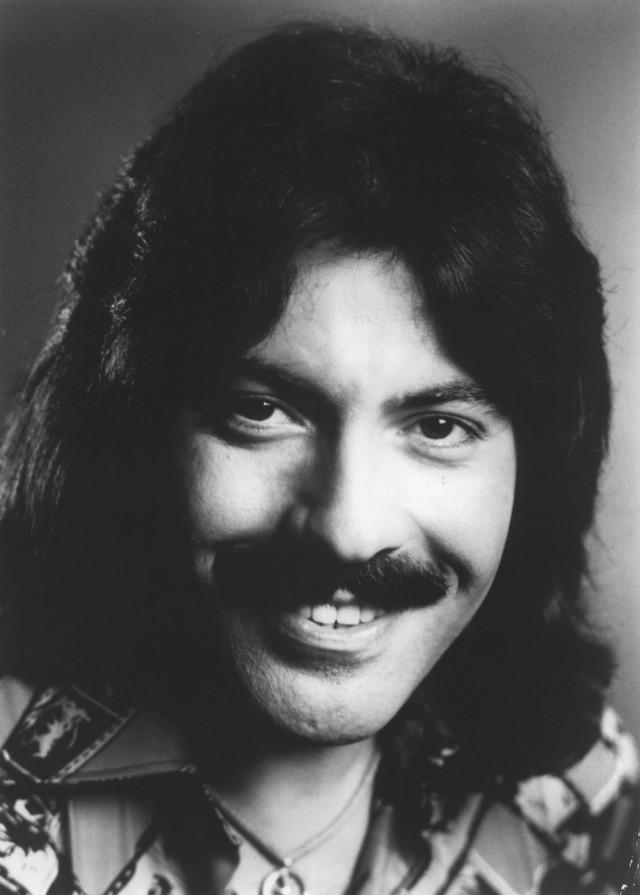
Shaun Cassidy’s Spotify BioA major teen idol of the late '70s, actor/singer Shaun Cassidy rocketed to fame both on the pop charts and on television, much as his half-brother David Cassidy had done earlier in the decade. The son of actors Jack Cassidy and Shirley Jones, he was born in Hollywood on September 27, 1959, and formed his first band at the age of 11. After signing with Mike Curb's division of Warner Bros. in 1975, Cassidy issued his 1976 debut single, "Morning Girl," which became a major European hit and made the singer the subject of considerable fan adulation and teen magazine scrutiny. The follow-up, a cover of Eric Carmen's "That's Rock 'n' Roll," was also a success abroad, especially in Australia.
Cassidy's first American release followed in early 1977: a cover of the Crystals' 1963 classic "Da Do Ron Ron," it immediately hit number one, and overnight he became a heartthrob in his native land as well as internationally. Cassidy's fame increased with the 1977 premiere of The Hardy Boys Mysteries, a… weekly TV series based on the popular teen detective novels, and his self-titled debut LP went platinum. "That's Rock 'n' Roll" was also reissued for American audiences, and went gold. The 1977 follow-up, Born Late, was another success, spawning the Top Ten hit "Hey Deanie."
Cassidy's fame proved short-lived, however; 1978's Under Wraps struggled to crack the Top 40, and 1979's Room Service failed to even chart. With 1980's Wasp, he recruited producer Todd Rundgren in an attempt to make a serious rock album, performing material from the likes of David Bowie, Pete Townshend, and David Byrne; however, the LP stiffed, and Cassidy's recording career was essentially finished. Television became his primary focus, and he starred in the 1980 series Breaking Away, followed several years later by a stint on the soap opera General Hospital. After starring with David Cassidy and Petula Clark in Broadway's Blood Brothers in 1993, he returned to television as the creator and producer of the 1995 program American Gothic. ~ Jason Ankeny, Rovi
Viberate is a music analytics platform built for A&Rs, artist managers, labels, booking agents, marketers, and artists.
It helps music professionals track artist growth, analyze audience data, monitor playlist activity, compare artists, follow song performance, and identify opportunities across the music market.
Public artist pages provide a free preview of selected artist data. Paid plans provide access to deeper analytics, historical data, charts, comparisons, playlist tools, exports, alerts, reports, and additional professional features.
Yes. Public Viberate artist pages provide selected artist analytics and music data for free.
Viberate also offers a 7-day free trial of the full platform. A credit card is required to start the trial. The trial includes access to the complete product so users can test deeper artist analytics, historical views, playlist insights, comparisons, charts, exports, alerts, and reporting features before choosing a paid plan.
Viberate provides artist analytics across streaming, playlists, social media, video, radio airplay, songs, and audience markets.
Users can analyze Spotify performance, Spotify and Apple Music playlists, YouTube activity, TikTok and Instagram growth, radio spins, song performance, audience locations, demographics, rankings, and overall artist momentum.
Artist profiles also connect to music charts, similar artists, and comparison tools, helping users benchmark performance and evaluate artists in context.
Viberate updates key artist and track data daily.
For followed artists and tracks, selected data is refreshed multiple times per day. This helps teams monitor playlist changes, streaming movement, audience growth, releases, and campaign performance with more current data.
Update frequency can vary depending on the metric and data source.
Yes. Viberate lets users compare up to five artists side by side across streaming, social media, audience, and engagement metrics.
Users can compare fanbase growth, audience demographics, locations, Spotify performance, social metrics, and other artist data over selected time periods.
Artist comparison can be used for A&R scouting, benchmarking, booking decisions, campaign planning, and evaluating artists with similar audiences or market positions.