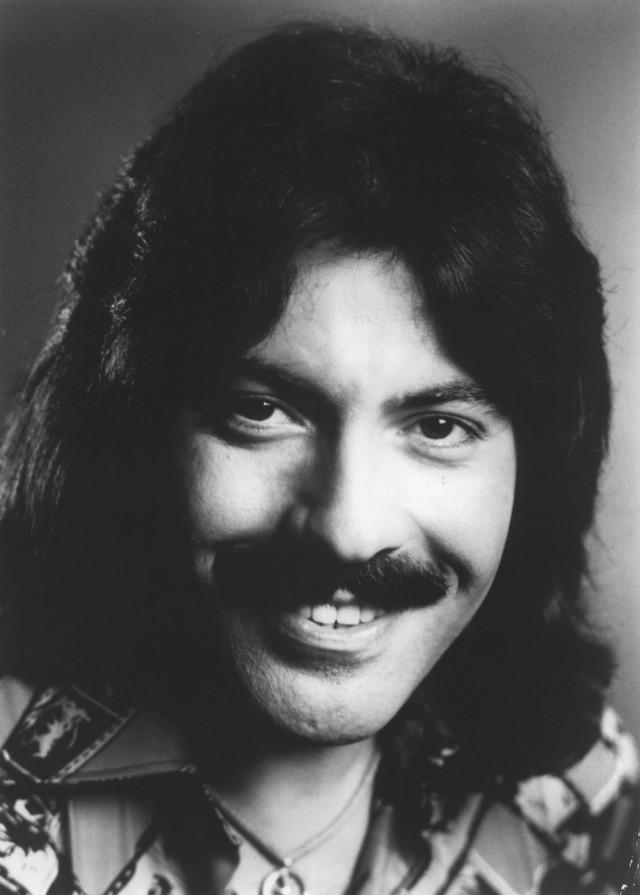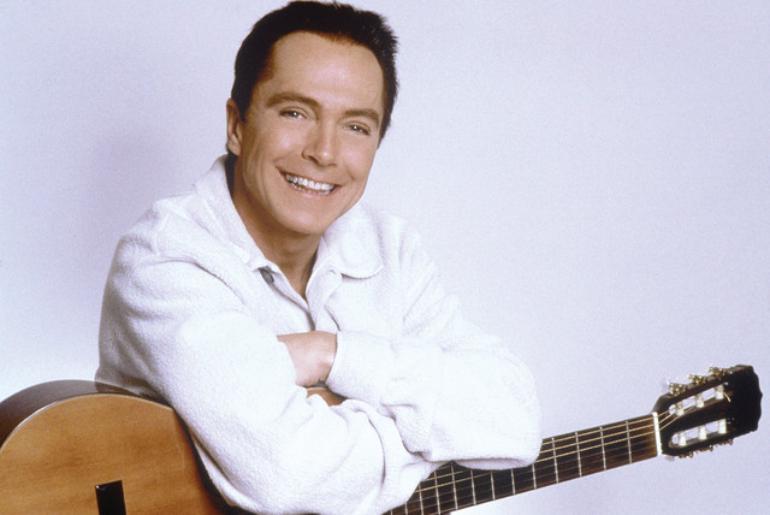
Paper Lace

Rock
Pop Rock
Mainstream Pop
 Viberate Rank: 79993
 Viberate Rank: 79993
 Monthly ListenersFollowers
 Subscribers
 Followers
 Followers
 FansTop Spotify Songs
| Track | 7-Day Streams | |
|---|---|---|
1 | 36.91K | |
2 | 15.77K | |
3 | 14.67K | |
4 | 2.47K | |
5 | 1.84K |
Top YouTube VideosMonthly ListenersFeatured in Playlists| Playlist | Followers | |
|---|---|---|
1 |  60s 70s 80s 90s 00s Greatest Hits and Songs Diestro Music | 51.95K |
2 |  Universal Stereo Golden Music (Oro hits 60’, 70’, 80’, 90’ y más en inglés) / Radio Universal Ricardo Romero Loocky Wolfox | 44.63K |
3 |  GRANDES CLÁSICOS DEL ROCK Carlos Mendoza | 41.46K |
4 |  Every Official UK Number 1 Ever Official Charts | 33.96K |
5 | Universal Stereo Andrew Jones | 29.56K |
Audience| City | Monthly Listeners | |
|---|---|---|
1 |  | 7.60K |
2 |  | 6.91K |
3 | | 6.70K |
4 | | 6.32K |
5 | | 3.60K |
See full performance history, audience data, playlist activity, rankings, comparisons, and more in Viberate music analytics. Start with a free trial, then continue with a paid plan.
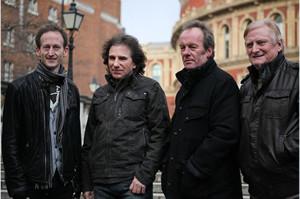
Paper Lace’s Spotify BioPaper Lace was a classic one-hit wonder band. In America, anyway. In the U.K. they were a classic two-hit wonder.
Formed in 1969 in Nottingham, England, and made up of Michael Vaughn, Chris Morris, Carlo Santanna, Cliff Fish, and Phillip Wright, Paper Lace was one of hundreds of pop bands in England looking for the big time while slogging their way through small club gigs and brief television appearances. Their big break came in 1974 when their version of the tear-jerking bubblegum tune "Billy, Don't Be a Hero" won top honors on Opportunity Knocks, a nationwide talent-show on ITV. They rode that song all the way to the top of the U.K. charts but were aced out of any sales in the U.S. by Bo Donaldson & the Haywoods' transcendent version. Their next single,"The Night Chicago Died," did manage to hit the number one slot on the U.S. charts (number three in the U.K.) and then that was it. The group released two albums, Paper Lace and Other Bits of Material in 1974 and First Editon in 1975,… and did a quick fade from the public eye. In 1978 they surfaced briefly with a singalong version of "We've Got the Whole World in Our Hands" with their local football team, Nottingham Forest FC, and the disappeared forever. ~ Tim Sendra, Rovi
Viberate is a music analytics platform built for A&Rs, artist managers, labels, booking agents, marketers, and artists.
It helps music professionals track artist growth, analyze audience data, monitor playlist activity, compare artists, follow song performance, and identify opportunities across the music market.
Public artist pages provide a free preview of selected artist data. Paid plans provide access to deeper analytics, historical data, charts, comparisons, playlist tools, exports, alerts, reports, and additional professional features.
Yes. Public Viberate artist pages provide selected artist analytics and music data for free.
Viberate also offers a 7-day free trial of the full platform. A credit card is required to start the trial. The trial includes access to the complete product so users can test deeper artist analytics, historical views, playlist insights, comparisons, charts, exports, alerts, and reporting features before choosing a paid plan.
Viberate provides artist analytics across streaming, playlists, social media, video, radio airplay, songs, and audience markets.
Users can analyze Spotify performance, Spotify and Apple Music playlists, YouTube activity, TikTok and Instagram growth, radio spins, song performance, audience locations, demographics, rankings, and overall artist momentum.
Artist profiles also connect to music charts, similar artists, and comparison tools, helping users benchmark performance and evaluate artists in context.
Viberate updates key artist and track data daily.
For followed artists and tracks, selected data is refreshed multiple times per day. This helps teams monitor playlist changes, streaming movement, audience growth, releases, and campaign performance with more current data.
Update frequency can vary depending on the metric and data source.
Yes. Viberate lets users compare up to five artists side by side across streaming, social media, audience, and engagement metrics.
Users can compare fanbase growth, audience demographics, locations, Spotify performance, social metrics, and other artist data over selected time periods.
Artist comparison can be used for A&R scouting, benchmarking, booking decisions, campaign planning, and evaluating artists with similar audiences or market positions.