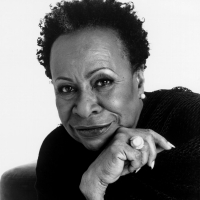
Dakota Staton

Jazz
Big band Jazz
Vocal jazz
 Viberate Rank: 87898
 Viberate Rank: 87898
 Monthly ListenersFollowers
 Subscribers
 Followers
 Followers
 FansTop Spotify Songs
| Track | 7-Day Streams | |
|---|---|---|
1 | 24.80K | |
2 | 22.57K | |
3 | 20.51K | |
4 | 20.47K | |
5 | 9.85K |
Top YouTube VideosMonthly ListenersFeatured in Playlists| Playlist | Followers | |
|---|---|---|
1 |  All Out 50s Spotify | 1.89M |
2 |  Women of Jazz Spotify | 865.68K |
3 |  Feel Good Jazz Spotify | 549.41K |
4 |  Jazz for Lovers Spotify | 345.37K |
5 |  Sweet Jazz Spotify | 301.71K |
Audience| City | Monthly Listeners | |
|---|---|---|
1 |  | 1.98K |
2 |  | 1.93K |
3 |  | 1.59K |
4 | | 1.57K |
5 |  | 1.46K |
See full performance history, audience data, playlist activity, rankings, comparisons, and more in Viberate music analytics. Start with a free trial, then continue with a paid plan.
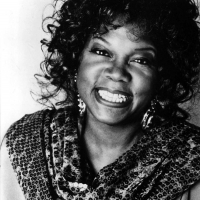
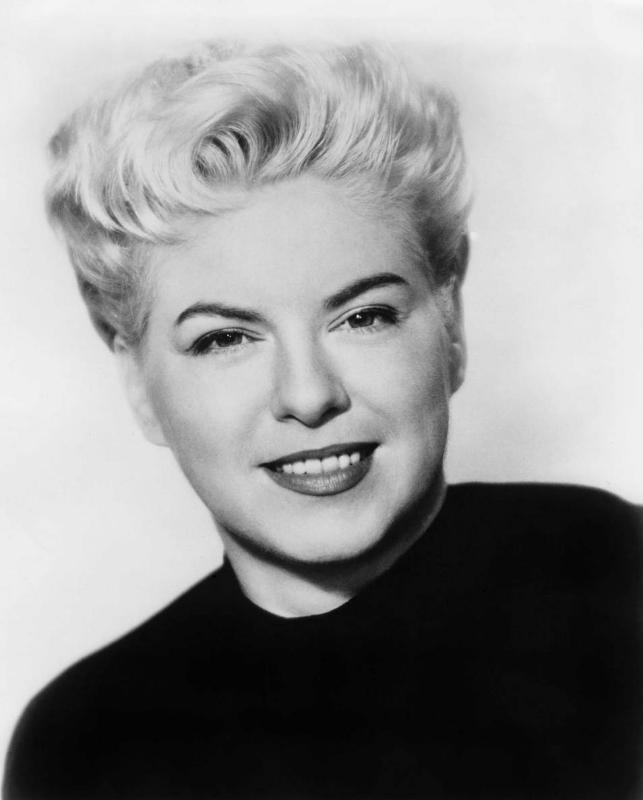
Dakota Staton’s Spotify BioDescribed by influential critic Leonard Feather as "a dynamic song stylist recalling at times elements of Dinah Washington and Sarah Vaughan," Dakota Staton never enjoyed the widespread acclaim or commercial success of her reference points, but she remains one of the most soulful and commanding jazz singers of the postwar era.
Born outside of Pittsburgh on June 3, 1930, Staton began singing and dancing as a child, later attending the Filion School of Music. At 16, she starred in the stage show Fantastic Rhythm and two years later joined local bandleader Joe Wespray. From there, Staton headlined a lengthy residency at Detroit's landmark Flame Show Bar, followed by years traveling the Midwest club circuit. Eventually she settled in New York City, and while performing at Harlem's Baby Grand she captured the attention of Capitol Records producer Dave Cavanaugh, who extended a contract offer. Staton's debut single, "What Do You Know About Love?," appeared in 1954, and a year later she… claimed jazz magazine DownBeat's Most Promising Newcomer award.
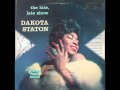
By no means strictly a jazz act, however, Staton was also a bold, brassy R&B singer and performed alongside Big Joe Turner and Fats Domino at legendary disc jockey Alan Freed's first Rock 'n' Roll Party showcases. Freed regularly played Staton's "My Heart's Delight" on his daily WINS show, and when her long-awaited full-length debut, The Late, Late Show, finally hit retail in 1957, it proved an enormous crossover hit, peaking at number four on the Billboard pop charts. Its 1958 follow-up, The Dynamic Dakota Staton!, reached the number 22 spot and more importantly heralded the beginning of her long collaboration with arranger and conductor Sid Feller.
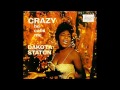
After marrying trumpeter Talib Ahmad Dawud in 1958, Staton converted to Islam and for a time performed under the name Aliyah Rabia. She was also an active member of Dawud's advocacy group the Muslim Brotherhood, which existed in large part to combat the radical politics of Black supremacist Elijah Muhammad. The Muslim Brotherhood found itself the center of controversy when Muhammad claimed, "they should be ashamed of trying to make fun of me and my followers while serving the devil in the theatrical world." The resulting media attention undermined Staton's commercial momentum, and while 1959's Crazy He Calls Me still charted, she never again enjoyed the crossover success that greeted her previous records.
After ten Capitol dates, culminating in 1961's live Dakota at Storyville, she jumped to United Artists for 1963's From Dakota with Love. After two more UA sessions, Live and Swinging and Dakota Staton with Strings, she exited the label and did not cut another record for eight years. Upon relocating to Britain in 1965, Staton worked hotels and cruise ships, and was largely forgotten by the time she returned to the U.S. in the early '70s, signing to Groove Merchant and cutting the 1972 comeback attempt Madame Foo Foo with soul-jazz great Richard "Groove" Holmes. Sessions for Muse and Simitar followed, and in 1999 she signed with High Note for her final studio date, A Packet of Love Letters. Staton's health declined slowly but steadily in the years to follow, and she died on April 10, 2007, at the age of 76. ~ Jason Ankeny, Rovi
Viberate is a music analytics platform built for A&Rs, artist managers, labels, booking agents, marketers, and artists.
It helps music professionals track artist growth, analyze audience data, monitor playlist activity, compare artists, follow song performance, and identify opportunities across the music market.
Public artist pages provide a free preview of selected artist data. Paid plans provide access to deeper analytics, historical data, charts, comparisons, playlist tools, exports, alerts, reports, and additional professional features.
Yes. Public Viberate artist pages provide selected artist analytics and music data for free.
Viberate also offers a 7-day free trial of the full platform. A credit card is required to start the trial. The trial includes access to the complete product so users can test deeper artist analytics, historical views, playlist insights, comparisons, charts, exports, alerts, and reporting features before choosing a paid plan.
Viberate provides artist analytics across streaming, playlists, social media, video, radio airplay, songs, and audience markets.
Users can analyze Spotify performance, Spotify and Apple Music playlists, YouTube activity, TikTok and Instagram growth, radio spins, song performance, audience locations, demographics, rankings, and overall artist momentum.
Artist profiles also connect to music charts, similar artists, and comparison tools, helping users benchmark performance and evaluate artists in context.
Viberate updates key artist and track data daily.
For followed artists and tracks, selected data is refreshed multiple times per day. This helps teams monitor playlist changes, streaming movement, audience growth, releases, and campaign performance with more current data.
Update frequency can vary depending on the metric and data source.
Yes. Viberate lets users compare up to five artists side by side across streaming, social media, audience, and engagement metrics.
Users can compare fanbase growth, audience demographics, locations, Spotify performance, social metrics, and other artist data over selected time periods.
Artist comparison can be used for A&R scouting, benchmarking, booking decisions, campaign planning, and evaluating artists with similar audiences or market positions.