Chris Connor

Jazz
Big band Jazz
Vocal jazz
 Viberate Rank: 91020
 Viberate Rank: 91020
 Monthly ListenersFollowers
 Subscribers
 Followers
 Followers
 FansTop Spotify Songs
| Track | 7-Day Streams | |
|---|---|---|
1 | 28.95K | |
2 | 25.01K | |
3 | 10.94K | |
4 | 8.63K | |
5 | 8.44K |
Top YouTube VideosMonthly ListenersFeatured in Playlists| Playlist | Followers | |
|---|---|---|
1 |  Feel Good Jazz Spotify | 549.41K |
2 |  Classic Voices in Jazz Spotify | 250.32K |
3 |  Jazz Bar Spotify | 208.13K |
4 |  In the Mood for Jazz Spotify | 144.39K |
5 |  Sunny Day Jazz Spotify | 134.10K |
Audience| City | Monthly Listeners | |
|---|---|---|
1 |  | 3.69K |
2 |  | 1.77K |
3 |  | 1.57K |
4 | | 1.55K |
5 |  | 1.40K |
See full performance history, audience data, playlist activity, rankings, comparisons, and more in Viberate music analytics. Start with a free trial, then continue with a paid plan.
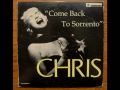
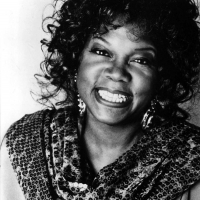
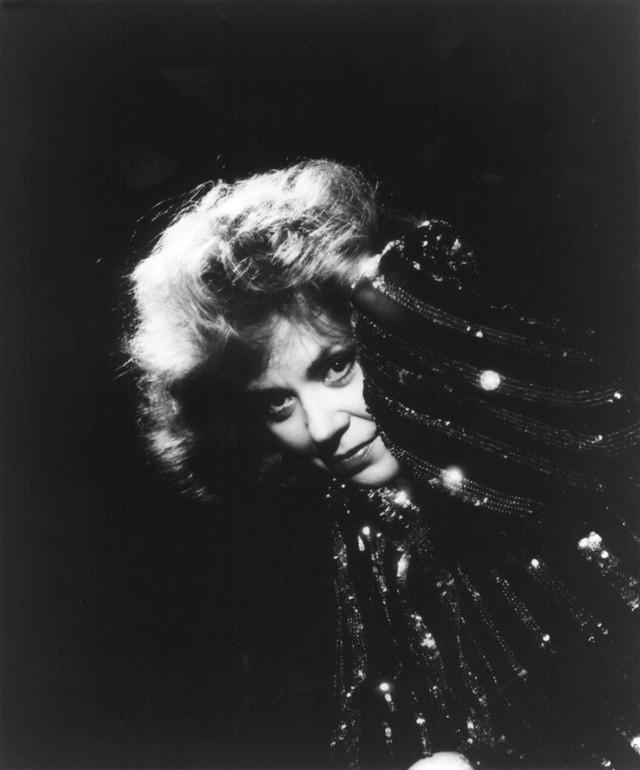
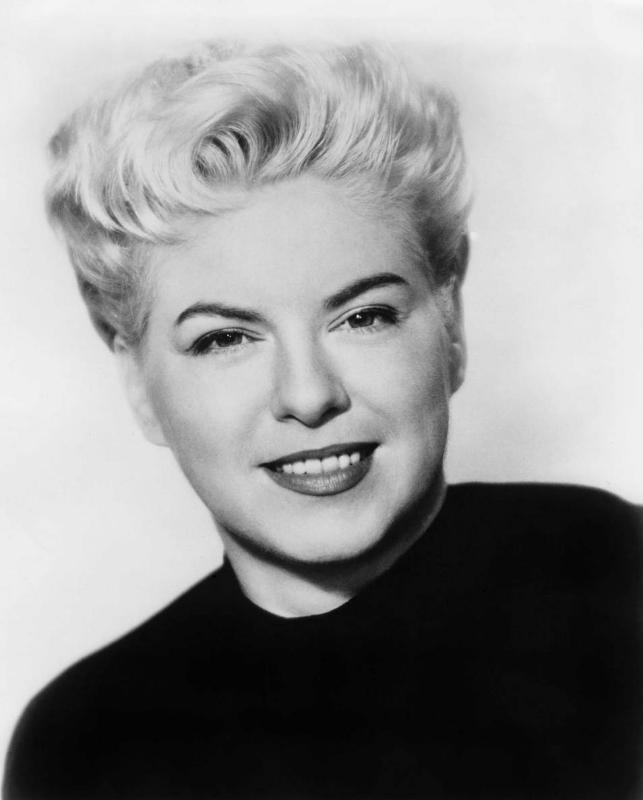
Chris Connor’s Spotify BioChris Connor was among the most popular '50s vocalists, famous for altering rhythms on ballads, using little vibrato except on special occasions, and accentuating her husky, lush sound. She began singing in her late teens, sang with Claude Thornhill and Herbie Fields, then joined Stan Kenton to record her most famous performance, "All About Ronnie." Connor went solo in the early '50s and made popular, successful recordings for Bethlehem and Atlantic. She reached the height of her popularity when she delivered celebrated versions of "Lush Life" and "Lullaby of Broadway." Following a period of semi-retirement, Connor made a comeback in the mid-'70s and recorded latter-day dates for Progressive, Stash, Contemporary, and Enja.
At the University of Missouri, Connor (who had studied clarinet at an early age) sang with a Stan Kentonish big band led by trombonist Bob Brookmeyer before leaving her native Kansas City for New York in 1947. Quite appropriately, she was featured in the lyrical… pianist Claude Thornhill's orchestra in the early '50s. After leaving Thornhill, Connor was hired by Kenton at Christy's recommendation, and her ten-month association with him in 1952-1953 resulted in the hit "All About Ronnie." Connor debuted as a solo artist in 1953, recording three albums for Bethlehem before moving to Atlantic in 1955 and recording 12. Connor reached the height of her popularity in the 1950s, when she delivered her celebrated versions of Billy Strayhorn's "Lush Life" and George Shearing's "Lullaby of Broadway," and recorded such excellent albums as The Rich Sound of Chris Connor and Lullabies of Birdland for Bethlehem and Chris Craft and Ballads of the Sad Cafe for Atlantic. Connor made a poor career move in 1962, the year she left Atlantic and signed with a label her manager was starting, FM Records -- Connor had recorded only two albums for FM when they folded. Connor's recording career was rejuvenated in the 1970s, and she went on to record for Progressive, Stash, and Contemporary in the '70s and '80s. Connor maintained a devoted following in the 1990s and continued to tour internationally. ~ Alex Henderson, Rovi
Viberate is a music analytics platform built for A&Rs, artist managers, labels, booking agents, marketers, and artists.
It helps music professionals track artist growth, analyze audience data, monitor playlist activity, compare artists, follow song performance, and identify opportunities across the music market.
Public artist pages provide a free preview of selected artist data. Paid plans provide access to deeper analytics, historical data, charts, comparisons, playlist tools, exports, alerts, reports, and additional professional features.
Yes. Public Viberate artist pages provide selected artist analytics and music data for free.
Viberate also offers a 7-day free trial of the full platform. A credit card is required to start the trial. The trial includes access to the complete product so users can test deeper artist analytics, historical views, playlist insights, comparisons, charts, exports, alerts, and reporting features before choosing a paid plan.
Viberate provides artist analytics across streaming, playlists, social media, video, radio airplay, songs, and audience markets.
Users can analyze Spotify performance, Spotify and Apple Music playlists, YouTube activity, TikTok and Instagram growth, radio spins, song performance, audience locations, demographics, rankings, and overall artist momentum.
Artist profiles also connect to music charts, similar artists, and comparison tools, helping users benchmark performance and evaluate artists in context.
Viberate updates key artist and track data daily.
For followed artists and tracks, selected data is refreshed multiple times per day. This helps teams monitor playlist changes, streaming movement, audience growth, releases, and campaign performance with more current data.
Update frequency can vary depending on the metric and data source.
Yes. Viberate lets users compare up to five artists side by side across streaming, social media, audience, and engagement metrics.
Users can compare fanbase growth, audience demographics, locations, Spotify performance, social metrics, and other artist data over selected time periods.
Artist comparison can be used for A&R scouting, benchmarking, booking decisions, campaign planning, and evaluating artists with similar audiences or market positions.