Dag Nasty

Punk
Hardcore Punk
Punk Rock
 Viberate Rank: 96865
 Viberate Rank: 96865
 Monthly ListenersFollowers
 Subscribers
 Followers
 Followers
 FansTop Spotify Songs
| Track | 7-Day Streams | |
|---|---|---|
1 | 15.78K | |
2 | 8.04K | |
3 | 4.79K | |
4 | 4.29K | |
5 | 3.07K |
Top YouTube VideosMonthly ListenersFeatured in Playlists| Playlist | Followers | |
|---|---|---|
1 |  Punk Rock - by 23punk 23punk | 87.77K |
2 |  FENRIZ METAL Gylve | 32.35K |
3 |  Classic Punk 70's & 80's Diego Salazar | 31.81K |
4 |  Early Emo Numero Group | 24.23K |
5 |  WonkoFM WonkoTheSane | 21.06K |
Audience| City | Monthly Listeners | |
|---|---|---|
1 | | 1.63K |
2 | | 1.05K |
3 |  | 987 |
4 | | 898 |
5 | | 819 |
See full performance history, audience data, playlist activity, rankings, comparisons, and more in Viberate music analytics. Start with a free trial, then continue with a paid plan.
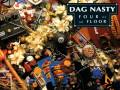
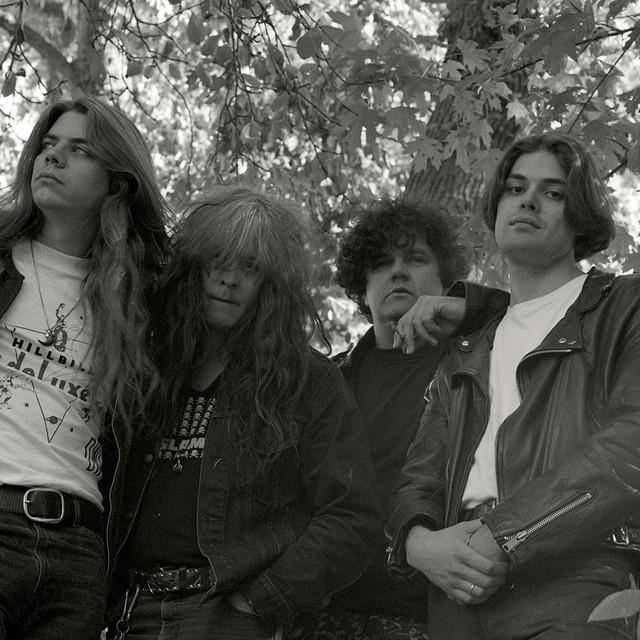
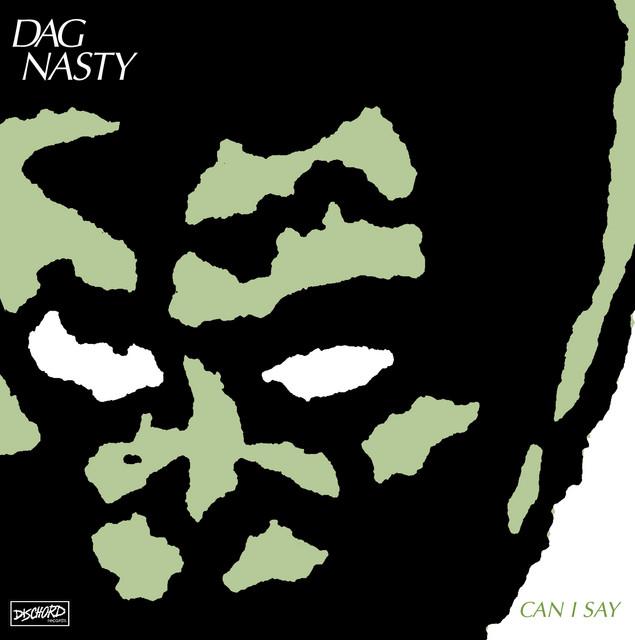
Dag Nasty’s Spotify BioDag Nasty kept roaring D.C.-styled hardcore alive during the mid-'80s. Although the group was more accessible and melodic than Minor Threat, it never lost its bracing, blistering edge. Formed by former Minor Threat and Meatmen guitarist Brian Baker and ex-DYS vocalist Dave Smalley, Dag Nasty recorded their first album, Can I Say (1986), with D.C.-punk guru Ian MacKaye assisting on the production. The following year, Smalley left the group; he was replaced by Peter Cortner, who added more pop elements to the band's sound. Dag Nasty moved from MacKaye's Dischord label to Giant in 1988, releasing their last album of the '80s, Field Day. Along with former Big Boy Chris Gates, Baker formed the metal band Junkyard in 1989, which released two records on Geffen before fading away. Dag Nasty came back together in 1992, releasing Four on the Floor for the growing underground punk scene that was only a few short years from breaking into the mainstream. The response was enthusiastic, but the band… stepped away from the business again. Ten years later, they reunited with the emo-rock call to arms Minority of One and released it on Revelation Records. In 2010, Ian MacKaye released Dag with Shawn -- the original recordings from Can I Say taken from a session with Dag Nasty's very first vocalist, Shawn Brown -- on Dischord. ~ Stephen Thomas Erlewine, Rovi
Viberate is a music analytics platform built for A&Rs, artist managers, labels, booking agents, marketers, and artists.
It helps music professionals track artist growth, analyze audience data, monitor playlist activity, compare artists, follow song performance, and identify opportunities across the music market.
Public artist pages provide a free preview of selected artist data. Paid plans provide access to deeper analytics, historical data, charts, comparisons, playlist tools, exports, alerts, reports, and additional professional features.
Yes. Public Viberate artist pages provide selected artist analytics and music data for free.
Viberate also offers a 7-day free trial of the full platform. A credit card is required to start the trial. The trial includes access to the complete product so users can test deeper artist analytics, historical views, playlist insights, comparisons, charts, exports, alerts, and reporting features before choosing a paid plan.
Viberate provides artist analytics across streaming, playlists, social media, video, radio airplay, songs, and audience markets.
Users can analyze Spotify performance, Spotify and Apple Music playlists, YouTube activity, TikTok and Instagram growth, radio spins, song performance, audience locations, demographics, rankings, and overall artist momentum.
Artist profiles also connect to music charts, similar artists, and comparison tools, helping users benchmark performance and evaluate artists in context.
Viberate updates key artist and track data daily.
For followed artists and tracks, selected data is refreshed multiple times per day. This helps teams monitor playlist changes, streaming movement, audience growth, releases, and campaign performance with more current data.
Update frequency can vary depending on the metric and data source.
Yes. Viberate lets users compare up to five artists side by side across streaming, social media, audience, and engagement metrics.
Users can compare fanbase growth, audience demographics, locations, Spotify performance, social metrics, and other artist data over selected time periods.
Artist comparison can be used for A&R scouting, benchmarking, booking decisions, campaign planning, and evaluating artists with similar audiences or market positions.