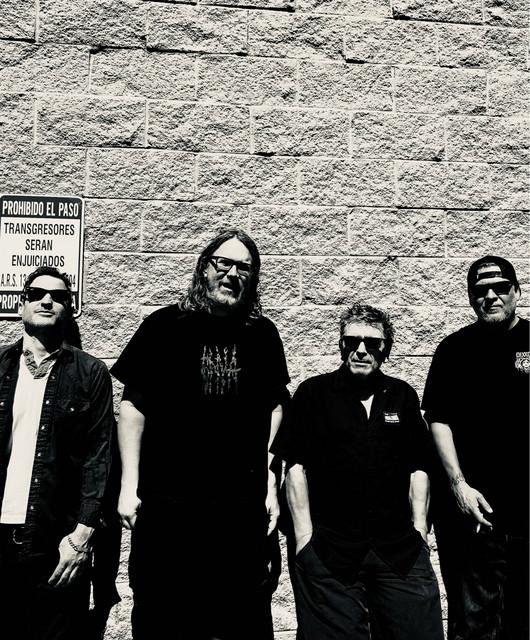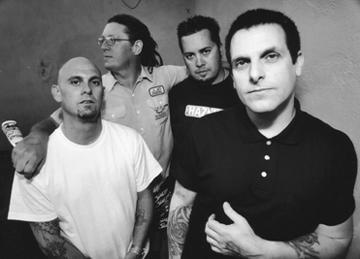
7 Seconds

Punk
Punk Rock
Hardcore Punk
 Viberate Rank: 89524
 Viberate Rank: 89524
 Monthly ListenersFollowers
 Subscribers
 Followers
 Followers
 FansTop Spotify Songs
| Track | 7-Day Streams | |
|---|---|---|
1 | 6.93K | |
2 | 3.20K | |
3 | 2.73K | |
4 | 2.67K | |
5 | 2.12K |
Top YouTube VideosMonthly ListenersFeatured in Playlists| Playlist | Followers | |
|---|---|---|
1 |  Hardcore Punk Pure Noise Records | 77.03K |
2 |  Watch Dogs 2 PlayStation®️ | 33.73K |
3 |  Rise Against Best Of Rise Against | 28.60K |
4 |  Early Emo Numero Group | 24.23K |
5 |  Tony Hawk's American Wasteland (2005) ジュリアーノ 64 | 22.28K |
Audience| City | Monthly Listeners | |
|---|---|---|
1 | | 1.28K |
2 |  | 725 |
3 |  | 691 |
4 | | 672 |
5 | | 557 |
See full performance history, audience data, playlist activity, rankings, comparisons, and more in Viberate music analytics. Start with a free trial, then continue with a paid plan.
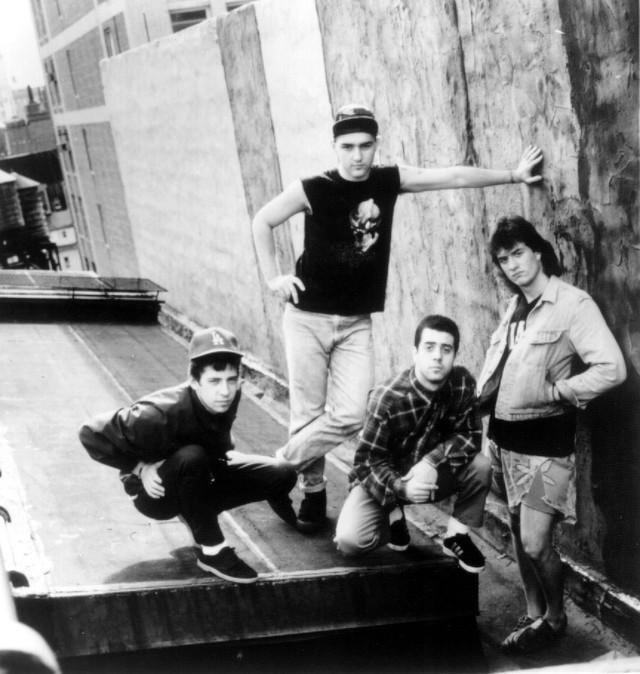
7 Seconds’ Spotify BioFormed in the early '80s, the hardcore punk band 7 Seconds has been among the longest lived of any group from the first wave of Cali punk (forming in Reno, NV, and eventually relocating to Sacramento), though frontman Kevin Seconds has proved to be the only consistent member; changes during the mid-'80s moved guitarist Bobby Adams, drummer Troy Mowat, and bassist Steve Youth (Seconds' brother) into the lineup. The group released several 7" singles just after forming, and Seconds signed the band to the Better Youth Organization label by 1982. The three LPs released on BYO culminated in 7 Seconds' most authoritative album, Walk Together, Rock Together. Signed to Restless in the late '80s, 7 Seconds delivered Soulforce Revolution and Ourselves before moving again, to Headhunter. The band released three albums for Headhunter, but signed with their first major label, Epic, in 1995. The Music, the Message was 7 Seconds' first Epic LP, released in 1995. By 1999's Good to Go, however, the band… was back on the indie front, now releasing material through the Side 1 label. In mid-2000, they released Scream Real Loud, followed five years later by their 13th LP, Take It Back, Take It On, Take It Over! Throughout the group's career, Seconds has maintained several side projects, including Drop Acid, Five Feet Ten Inches, and Mustard. He also released several solo efforts starting in the '90s, including a 2002 split acoustic album on Asian Man alongside Alkaline Trio's Matt Skiba. ~ John Bush, Rovi
Viberate is a music analytics platform built for A&Rs, artist managers, labels, booking agents, marketers, and artists.
It helps music professionals track artist growth, analyze audience data, monitor playlist activity, compare artists, follow song performance, and identify opportunities across the music market.
Public artist pages provide a free preview of selected artist data. Paid plans provide access to deeper analytics, historical data, charts, comparisons, playlist tools, exports, alerts, reports, and additional professional features.
Yes. Public Viberate artist pages provide selected artist analytics and music data for free.
Viberate also offers a 7-day free trial of the full platform. A credit card is required to start the trial. The trial includes access to the complete product so users can test deeper artist analytics, historical views, playlist insights, comparisons, charts, exports, alerts, and reporting features before choosing a paid plan.
Viberate provides artist analytics across streaming, playlists, social media, video, radio airplay, songs, and audience markets.
Users can analyze Spotify performance, Spotify and Apple Music playlists, YouTube activity, TikTok and Instagram growth, radio spins, song performance, audience locations, demographics, rankings, and overall artist momentum.
Artist profiles also connect to music charts, similar artists, and comparison tools, helping users benchmark performance and evaluate artists in context.
Viberate updates key artist and track data daily.
For followed artists and tracks, selected data is refreshed multiple times per day. This helps teams monitor playlist changes, streaming movement, audience growth, releases, and campaign performance with more current data.
Update frequency can vary depending on the metric and data source.
Yes. Viberate lets users compare up to five artists side by side across streaming, social media, audience, and engagement metrics.
Users can compare fanbase growth, audience demographics, locations, Spotify performance, social metrics, and other artist data over selected time periods.
Artist comparison can be used for A&R scouting, benchmarking, booking decisions, campaign planning, and evaluating artists with similar audiences or market positions.