Gorilla Biscuits

Punk
Hardcore Punk
 Viberate Rank: 74915
 Viberate Rank: 74915
 Monthly ListenersFollowers
 Subscribers
 Followers
 Followers
 FansTop Spotify Songs
| Track | 7-Day Streams | |
|---|---|---|
1 | 22.74K | |
2 | 17.52K | |
3 | 8.42K | |
4 | 6.85K | |
5 | 6.84K |
Top YouTube Videos| Video | 7-Day Views | |
|---|---|---|
1 | 12 | |
2 | 10 |
Monthly ListenersFeatured in Playlists| Playlist | Followers | |
|---|---|---|
1 |  Classic Hardcore Spotify | 248.65K |
2 |  Hardcore Punk Pure Noise Records | 77.03K |
3 |  Hardcore Gardening Spotify | 71.41K |
4 |  We Were All Teenagers Once My Chemical Romance | 57.69K |
5 |  Straight Edge Anthems Spotify | 45.51K |
Audience| City | Monthly Listeners | |
|---|---|---|
1 | | 2.87K |
2 |  | 1.67K |
3 | | 1.61K |
4 | | 1.40K |
5 | | 1.29K |
See full performance history, audience data, playlist activity, rankings, comparisons, and more in Viberate music analytics. Start with a free trial, then continue with a paid plan.
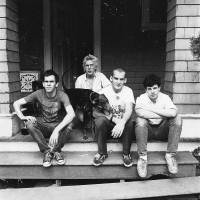
Gorilla Biscuits’ Spotify BioHardcore icons Gorilla Biscuits came together in the late '80s to add their two cents to the straight-edge scene in New York City. Ironically enough though, their name came from the street term for Quaaludes. The group went through various members in their time together, but the band's "definitive" lineup was the team of vocalist Anthony Civarelli, bassist Arthur Smilios, drummer Luke Abbey, and guitarists Walter Schreifels and (eventually) Alex Brown; John "Porcell" Porcelly (guitar) and Sammy Siegler (drums) also served in the Biscuits' ranks. No last names were used on any of their recordings; in fact, Civarelli went by the name "Civ" at the time. They were very reactionary, trying to move the movement away from the militant rules that many hardcore straight-edge fans had created around their favorite bands. The main goal was to try and include anyone who wanted to take on their political views without worrying about the aesthetics, something that made them unpopular with many in… the movement. They managed to tour the U.S. once and Europe twice, and release two albums on Revelation Records (a 1988 self-titled 7" and 1989's highly influential Start Today) before Schreifels left the group to form the melodic hardcore/metal band Quicksand in 1990. Gorilla Biscuits were officially broken up, playing a final gig together in 1992, but in reality the remaining members turned around and formed CIV, a pop-punk combo that scored a minor hit with "Can't Wait One Minute More" when they reappeared on a major label in 1994. Gorilla Biscuits reunited in 2005 during the Save CBGB's campaign (when the famed venue was on the brink of closure), which ultimately led to the band embarking on a subsequent nationwide tour. ~ Bradley Torreano, Rovi
Viberate is a music analytics platform built for A&Rs, artist managers, labels, booking agents, marketers, and artists.
It helps music professionals track artist growth, analyze audience data, monitor playlist activity, compare artists, follow song performance, and identify opportunities across the music market.
Public artist pages provide a free preview of selected artist data. Paid plans provide access to deeper analytics, historical data, charts, comparisons, playlist tools, exports, alerts, reports, and additional professional features.
Yes. Public Viberate artist pages provide selected artist analytics and music data for free.
Viberate also offers a 7-day free trial of the full platform. A credit card is required to start the trial. The trial includes access to the complete product so users can test deeper artist analytics, historical views, playlist insights, comparisons, charts, exports, alerts, and reporting features before choosing a paid plan.
Viberate provides artist analytics across streaming, playlists, social media, video, radio airplay, songs, and audience markets.
Users can analyze Spotify performance, Spotify and Apple Music playlists, YouTube activity, TikTok and Instagram growth, radio spins, song performance, audience locations, demographics, rankings, and overall artist momentum.
Artist profiles also connect to music charts, similar artists, and comparison tools, helping users benchmark performance and evaluate artists in context.
Viberate updates key artist and track data daily.
For followed artists and tracks, selected data is refreshed multiple times per day. This helps teams monitor playlist changes, streaming movement, audience growth, releases, and campaign performance with more current data.
Update frequency can vary depending on the metric and data source.
Yes. Viberate lets users compare up to five artists side by side across streaming, social media, audience, and engagement metrics.
Users can compare fanbase growth, audience demographics, locations, Spotify performance, social metrics, and other artist data over selected time periods.
Artist comparison can be used for A&R scouting, benchmarking, booking decisions, campaign planning, and evaluating artists with similar audiences or market positions.