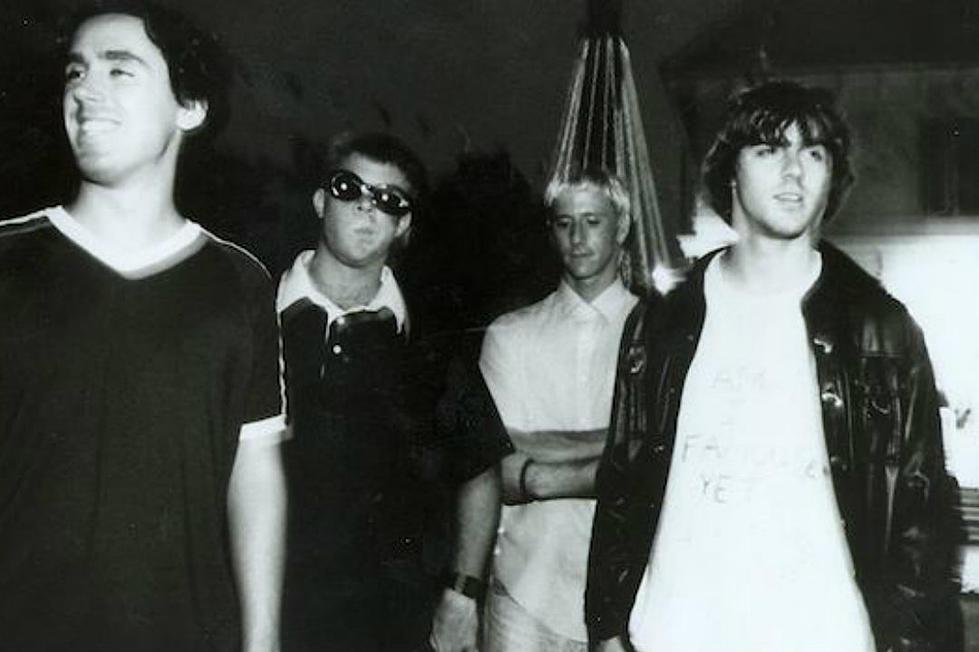
For Squirrels

Rock
Indie Rock
Alternative Rock
 Viberate Rank: 315906
 Viberate Rank: 315906
 Monthly ListenersFollowers
 Subscribers
 Followers
 Followers
 FansTop Spotify Songs
| Track | 7-Day Streams | |
|---|---|---|
1 | 1.76K | |
2 | 473 | |
3 | 335 | |
4 | 238 | |
5 | 175 |
Top YouTube VideosMonthly ListenersFeatured in Playlists| Playlist | Followers | |
|---|---|---|
1 | GRUNGE zerubi | 80.90K |
2 | giant 90s alt/indie/etc playlist PART 2: 1995-1996 Aroon Karvna | 13.20K |
3 |  Shuffle It Dale Jr | 8.79K |
4 |  90s Rock Icons Remembered uDiscover Playlists | 8.26K |
5 | 120 Minutes full Archive frankspin | 7.87K |
Audience| City | Monthly Listeners | |
|---|---|---|
1 | | 112 |
2 | | 95 |
3 | | 93 |
4 | | 82 |
5 | | 70 |
See full performance history, audience data, playlist activity, rankings, comparisons, and more in Viberate music analytics. Start with a free trial, then continue with a paid plan.
For Squirrels’ Spotify BioFor Squirrels formed in Gainesville, Florida, in 1992. The original lineup of Jack Vigliatura IV on vocals, guitarist Travis Tooke, drummer Jay Russell, and bassist Bill White played around the area, and they released Baypath Rd in early 1994. After tours of the East Coast and the release of the EP Plymouth, For Squirrels signed with Sony/550 Music. The group then replaced Russell with Jack Greigo and in mid-1995 recorded their major-label debut, Example.
On September 8, however, the band's van blew a tire and overturned on the way back to Florida from a gig at CBGB's in New York. Vigliatura, White, and manager Tim Bender were killed, while Tooke and Greigo also suffered injuries. Example, released less than a month later, received overwhelming support from college radio. Tooke and Greigo were encouraged and decided to continue the band with high school friend Andy Lord on bass. ~ John Bush, Rovi
Viberate is a music analytics platform built for A&Rs, artist managers, labels, booking agents, marketers, and artists.
It helps music professionals track artist growth, analyze audience data, monitor playlist activity, compare artists, follow song performance, and identify opportunities across the music market.
Public artist pages provide a free preview of selected artist data. Paid plans provide access to deeper analytics, historical data, charts, comparisons, playlist tools, exports, alerts, reports, and additional professional features.
Yes. Public Viberate artist pages provide selected artist analytics and music data for free.
Viberate also offers a 7-day free trial of the full platform. A credit card is required to start the trial. The trial includes access to the complete product so users can test deeper artist analytics, historical views, playlist insights, comparisons, charts, exports, alerts, and reporting features before choosing a paid plan.
Viberate provides artist analytics across streaming, playlists, social media, video, radio airplay, songs, and audience markets.
Users can analyze Spotify performance, Spotify and Apple Music playlists, YouTube activity, TikTok and Instagram growth, radio spins, song performance, audience locations, demographics, rankings, and overall artist momentum.
Artist profiles also connect to music charts, similar artists, and comparison tools, helping users benchmark performance and evaluate artists in context.
Viberate updates key artist and track data daily.
For followed artists and tracks, selected data is refreshed multiple times per day. This helps teams monitor playlist changes, streaming movement, audience growth, releases, and campaign performance with more current data.
Update frequency can vary depending on the metric and data source.
Yes. Viberate lets users compare up to five artists side by side across streaming, social media, audience, and engagement metrics.
Users can compare fanbase growth, audience demographics, locations, Spotify performance, social metrics, and other artist data over selected time periods.
Artist comparison can be used for A&R scouting, benchmarking, booking decisions, campaign planning, and evaluating artists with similar audiences or market positions.