Hazel Dickens

Country
Bluegrass
 Viberate Rank: 202869
 Viberate Rank: 202869
 Monthly ListenersFollowers
 Subscribers
 Followers
 Followers
 FansTop Spotify Songs
| Track | 7-Day Streams | |
|---|---|---|
1 | 3.62K | |
2 | 1.41K | |
3 | 1.41K | |
4 | 973 | |
5 | 906 |
Top YouTube VideosMonthly ListenersFeatured in Playlists| Playlist | Followers | |
|---|---|---|
1 |  Bluegrass Origins Spotify | 93.88K |
2 | While You Work (@whileyouwork) Eli Feghali | 81.75K |
3 |  Country Roads 🌵 Kevin Sala | 31.56K |
4 |  Women of Bluegrass Spotify | 18.86K |
5 |  Cowboy Songs Only! Ross P | 11.92K |
Audience| City | Monthly Listeners | |
|---|---|---|
1 | | 337 |
2 | | 306 |
3 | | 295 |
4 | | 286 |
5 | | 275 |
See full performance history, audience data, playlist activity, rankings, comparisons, and more in Viberate music analytics. Start with a free trial, then continue with a paid plan.
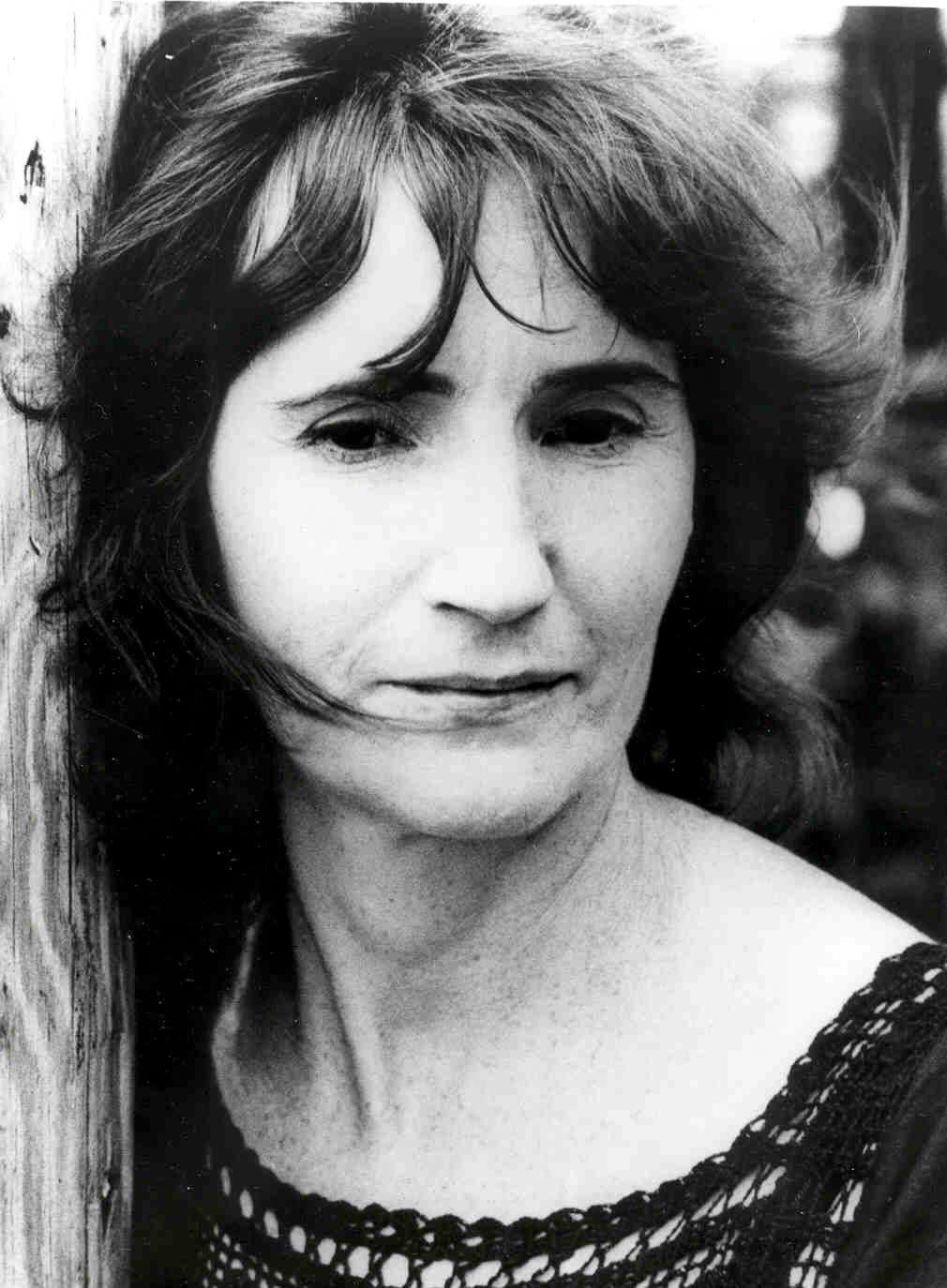
Hazel Dickens’ Spotify BioProtest and folksinger Hazel Dickens grew up the eighth of 11 children in a large, poor mining family in West Virginia, and she used elements of country and bluegrass to spread truth about two causes close to her heart: the plight of non-unionized mineworkers and feminism, born not of the '60s movement but traditional values. Born June 1, 1935, in Mercer County, West Virginia, Dickens learned about music from her father, an occasional banjo player and Baptist minister who drove trucks for a mining company to make a living. She was influenced by country traditionalists such as Uncle Dave Macon, the Monroe Brothers, and the Carter Family. When she was 19, her family's dire poverty forced Dickens to move to Baltimore, where she worked in factories with her sister and two brothers.
The four displaced siblings often attended old-timey festivals and gatherings, watching others and performing themselves. At one of these festivals, Dickens met Mike Seeger (younger brother of folk legend Pete… Seeger), and the two formed a band with her brothers. Over the ensuing decade, Dickens became active in the folk/bluegrass movement around the Baltimore/Washington, D.C., area, playing bass and singing with several bands, including the Greenbriar Boys, who toured with Joan Baez in the '60s.
Around this time she met Mike Seeger's wife, Alice Gerrard, a classically trained singer also interested in old-timey music. At the nearby Library of Congress, the two began researching early feminist songs and then incorporated them into their own repertoire. The duo performed throughout the country -- particularly the South -- and recorded two albums for Folkways, Who's That Knocking (And Other Bluegrass Country Music) (1965) and Won't You Come & Sing for Me (1973).
The two separated in 1973 -- two later albums were compiled from previous recordings -- and Dickens began her solo career with a flourish. She recorded four songs for the soundtrack to the Academy Award-winning documentary about coal mining, Harlan County, USA. Three years later, she contributed to the soundtrack for With Babies and Banners and began a solo career five years later. Her three solo albums for Rounder, Hard Hitting Songs for the Hard Hit (1981), By the Sweat of My Brow (1983), and It's Hard to Tell the Singer from the Song (1987), include old-timey country alongside protest songs and songs in a more contemporary country style. Rounder's A Few Old Memories distills the best of the three albums onto one disc. A recipient of a National Heritage Award from the National Endowment for the Arts in 2008, Hazel Dickens was widely recognized as a pioneer in bluegrass music and women's music overall. She died at the age of 75 due to complications from pneumonia in Washington, D.C. on April 22, 2011. ~ John Bush, Rovi
Viberate is a music analytics platform built for A&Rs, artist managers, labels, booking agents, marketers, and artists.
It helps music professionals track artist growth, analyze audience data, monitor playlist activity, compare artists, follow song performance, and identify opportunities across the music market.
Public artist pages provide a free preview of selected artist data. Paid plans provide access to deeper analytics, historical data, charts, comparisons, playlist tools, exports, alerts, reports, and additional professional features.
Yes. Public Viberate artist pages provide selected artist analytics and music data for free.
Viberate also offers a 7-day free trial of the full platform. A credit card is required to start the trial. The trial includes access to the complete product so users can test deeper artist analytics, historical views, playlist insights, comparisons, charts, exports, alerts, and reporting features before choosing a paid plan.
Viberate provides artist analytics across streaming, playlists, social media, video, radio airplay, songs, and audience markets.
Users can analyze Spotify performance, Spotify and Apple Music playlists, YouTube activity, TikTok and Instagram growth, radio spins, song performance, audience locations, demographics, rankings, and overall artist momentum.
Artist profiles also connect to music charts, similar artists, and comparison tools, helping users benchmark performance and evaluate artists in context.
Viberate updates key artist and track data daily.
For followed artists and tracks, selected data is refreshed multiple times per day. This helps teams monitor playlist changes, streaming movement, audience growth, releases, and campaign performance with more current data.
Update frequency can vary depending on the metric and data source.
Yes. Viberate lets users compare up to five artists side by side across streaming, social media, audience, and engagement metrics.
Users can compare fanbase growth, audience demographics, locations, Spotify performance, social metrics, and other artist data over selected time periods.
Artist comparison can be used for A&R scouting, benchmarking, booking decisions, campaign planning, and evaluating artists with similar audiences or market positions.