Bill Keith

Country
Bluegrass
Americana/Alt Country
 Viberate Rank: 385158
 Viberate Rank: 385158
 Monthly ListenersFollowers
 Subscribers
 Followers
 Followers
 FansTop Spotify Songs
| Track | 7-Day Streams | |
|---|---|---|
1 | 1.25K | |
2 | 323 | |
3 | 223 | |
4 | 161 | |
5 | 131 |
Top YouTube VideosMonthly ListenersFeatured in Playlists| Playlist | Followers | |
|---|---|---|
1 |  Jacob's Optimum Music Feast Jacob Collier | 47.95K |
2 |  Disney Parks: Background Music j3shafer | 24.41K |
3 |  Smithsonian Folkways Doran McBride | 8.59K |
4 | Bluegrass 1258178990 | 7.83K |
5 | Bluegrass and Folk Sampler Steve Martin | 3.71K |
Audience| City | Monthly Listeners | |
|---|---|---|
1 | | 82 |
2 | | 75 |
3 | | 67 |
4 | | 63 |
5 | | 61 |
See full performance history, audience data, playlist activity, rankings, comparisons, and more in Viberate music analytics. Start with a free trial, then continue with a paid plan.
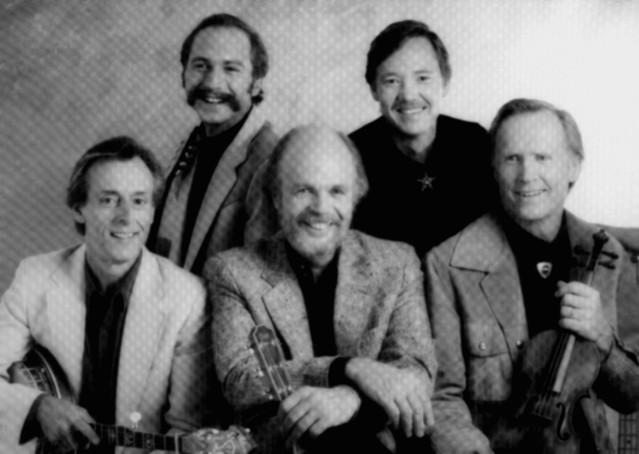
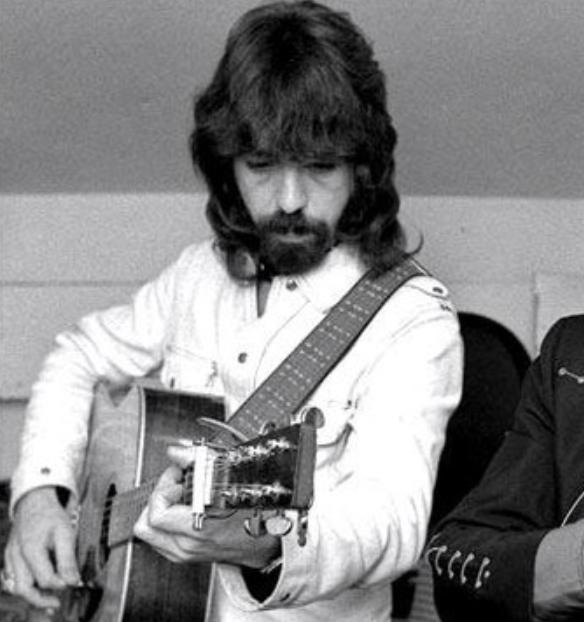
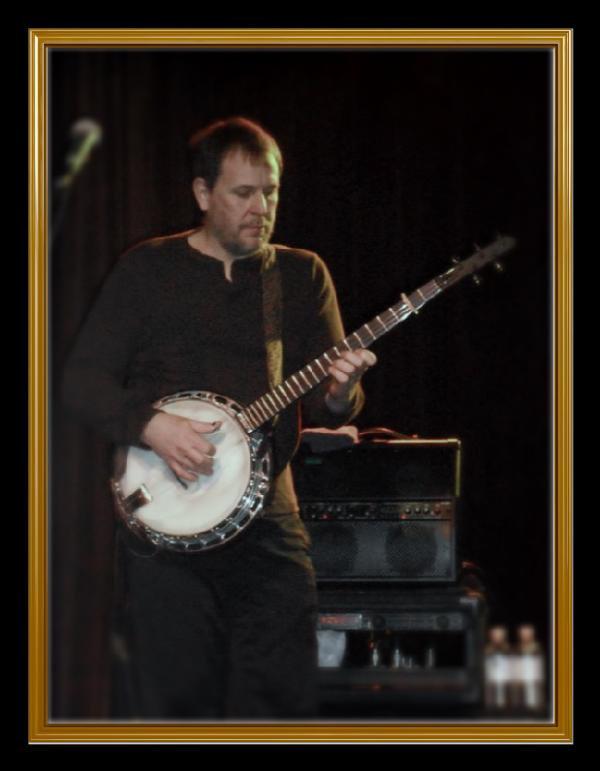
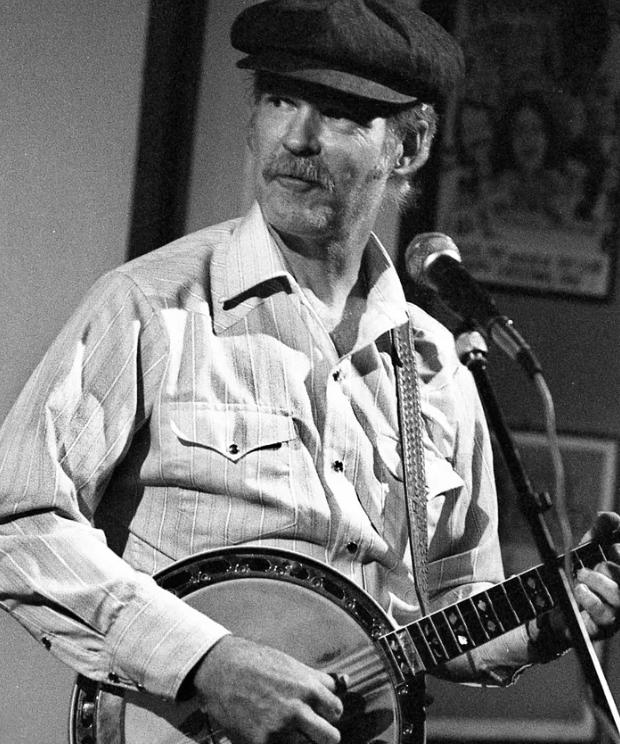
Bill Keith’s Spotify BioBill Keith had great impact on modern banjo playing, particularly in the direction of "newgrass." He even had a picking style informally named after him. Born in Boston, Massachusetts, Keith began taking banjo lessons at a young age, and also learned to play piano and ukulele. During adolescence, he played in a few Dixieland bands, but by the late '50s became interested in folk music after listening to such inspirational artists as Pete Seeger and Earl Scruggs. Using instruction books, the Amherst college student began learning their two different styles. Eventually, Keith began developing his own unique style, which became known as the melodic, chromatic or "Keith" picking style. This distinct technique was born of his desire to play fiddle melodies on his instruments. In 1958, he teamed up with fellow Amherst student Jim Rooney and began playing at local coffeehouses and on campus. Eventually they hooked up with promoter Manny Greenhill; with his assistance they founded the… Connecticut Folklore Society, which sponsored a series of traveling campus concerts throughout New England.
Following graduation and a brief stint in the U.S. Air Force Reserve, Keith began learning to make banjos with Tom Morgan. Later he, Rooney, mandolin player Frank Wakefield, and guitarist Red Allen formed the Kentuckians. In 1963, Earl Scruggs contacted Keith to lay out the tablature for the instructional book Earl Scruggs and the 5-String Banjo. Later that year, Keith and his former Amherst classmate Dan Bump developed a new kind of tuning peg that was adopted by Scruggs, who provided a name for the resulting company in 1964. In the mid-'60s, Keith joined Bill Monroe's Blue Grass Boys, where he was listed as Brad Keith. He left the band after only eight months to do more session work and by the year's end had joined Jim Kweskin's Jug Band, where he would stay for four years. After that he played with the Blue Velvet Band. He abandoned the banjo for a while in 1968 to become a pedal steel guitarist.
In 1970, Keith moved to Woodstock, New York, and spent a year with Jonathan Edwards. He then went on to work with Judy Collins. He and longtime cohort Rooney also toured together in both the U.S. and in Europe during the '70s and '80s, with Keith developing a particularly large following in France. When back home in Woodstock, Keith began playing banjo for the Woodstock Mountain Review. In 1977, he worked briefly as a columnist for Frets magazine. Later, in 1989, Keith, Rooney, Eric Weissberg, and Kenny Koseck re-formed their old group, calling it the New Blue Velvet Band. Keith remained intermittently active in performing and recording into the new millennium, with guest appearances on albums including Beausoleil's Alligator Purse released in 2009, and he also issued instructional booklets with accompanying CD/DVDs. Bill Keith died of cancer at his home in Woodstock in October 2015. ~ Sandra Brennan, Rovi
Viberate is a music analytics platform built for A&Rs, artist managers, labels, booking agents, marketers, and artists.
It helps music professionals track artist growth, analyze audience data, monitor playlist activity, compare artists, follow song performance, and identify opportunities across the music market.
Public artist pages provide a free preview of selected artist data. Paid plans provide access to deeper analytics, historical data, charts, comparisons, playlist tools, exports, alerts, reports, and additional professional features.
Yes. Public Viberate artist pages provide selected artist analytics and music data for free.
Viberate also offers a 7-day free trial of the full platform. A credit card is required to start the trial. The trial includes access to the complete product so users can test deeper artist analytics, historical views, playlist insights, comparisons, charts, exports, alerts, and reporting features before choosing a paid plan.
Viberate provides artist analytics across streaming, playlists, social media, video, radio airplay, songs, and audience markets.
Users can analyze Spotify performance, Spotify and Apple Music playlists, YouTube activity, TikTok and Instagram growth, radio spins, song performance, audience locations, demographics, rankings, and overall artist momentum.
Artist profiles also connect to music charts, similar artists, and comparison tools, helping users benchmark performance and evaluate artists in context.
Viberate updates key artist and track data daily.
For followed artists and tracks, selected data is refreshed multiple times per day. This helps teams monitor playlist changes, streaming movement, audience growth, releases, and campaign performance with more current data.
Update frequency can vary depending on the metric and data source.
Yes. Viberate lets users compare up to five artists side by side across streaming, social media, audience, and engagement metrics.
Users can compare fanbase growth, audience demographics, locations, Spotify performance, social metrics, and other artist data over selected time periods.
Artist comparison can be used for A&R scouting, benchmarking, booking decisions, campaign planning, and evaluating artists with similar audiences or market positions.