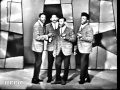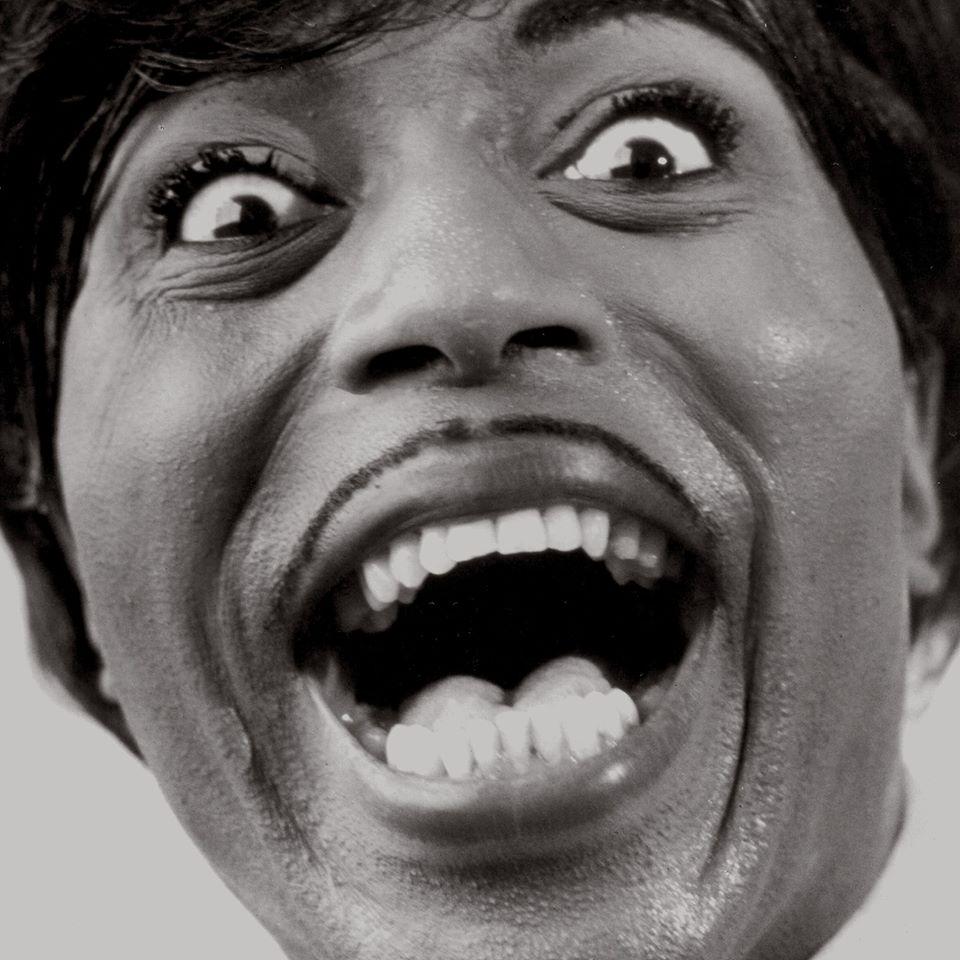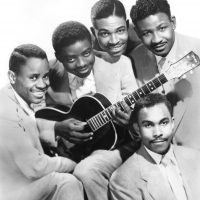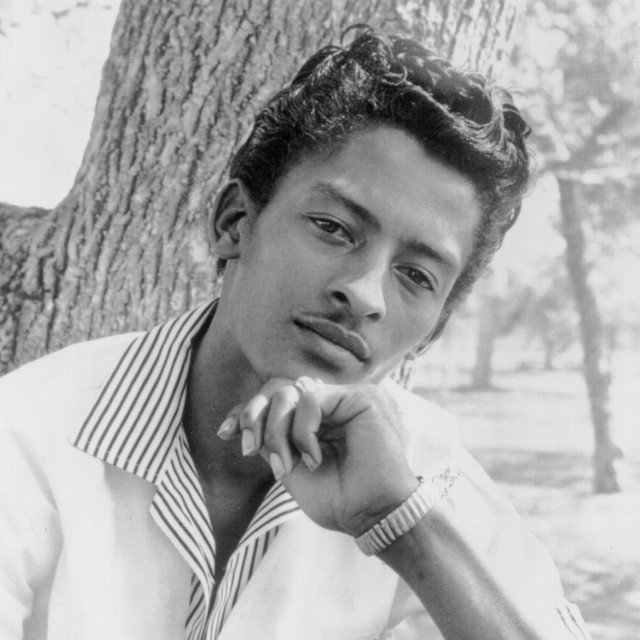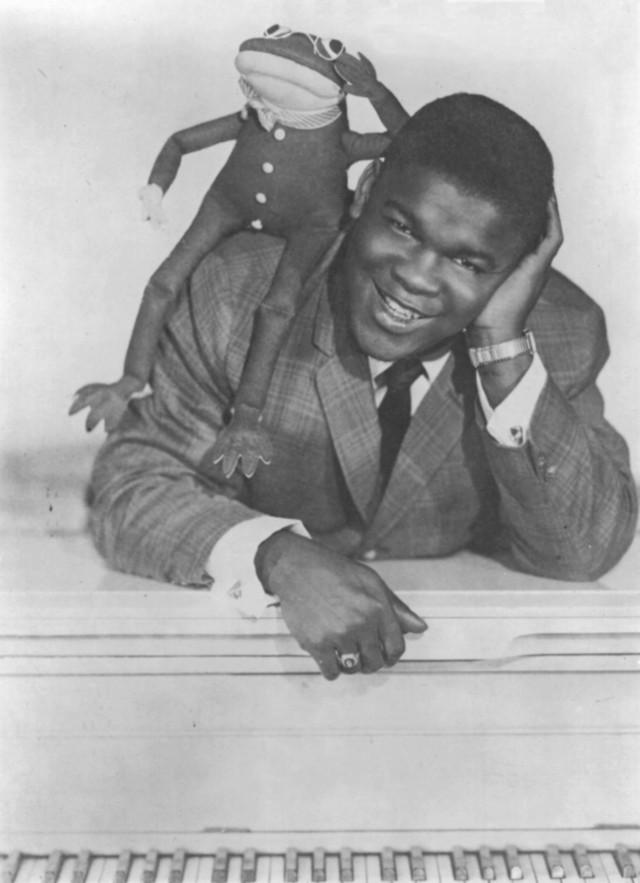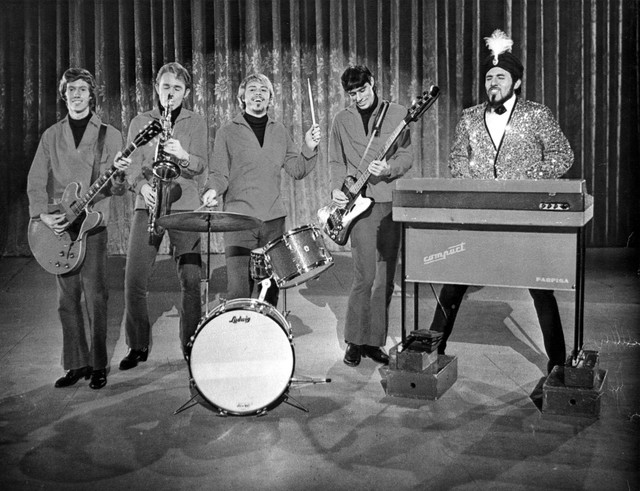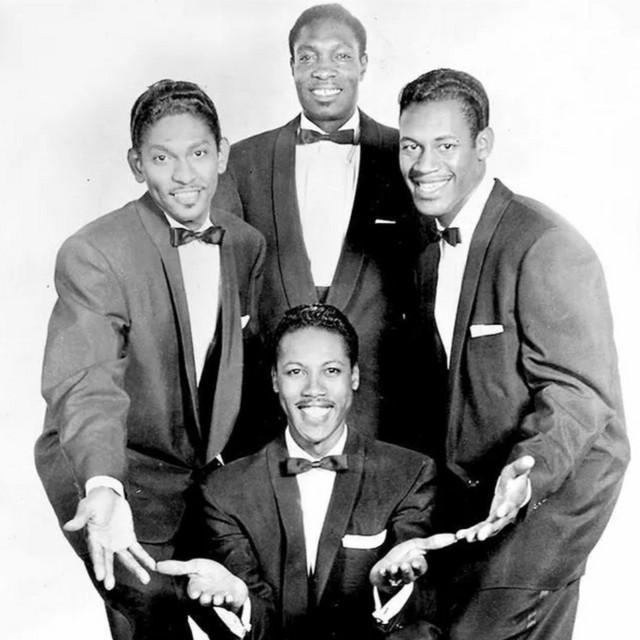
The Coasters

Blues
Classic Blues
Soul
 Viberate Rank: 27877
 Viberate Rank: 27877
 Monthly ListenersFollowers
 Subscribers
 Followers
 Followers
 FansTop Spotify Songs
| Track | 7-Day Streams | |
|---|---|---|
1 | 131.66K | |
2 | 130.13K | |
3 | 33.21K | |
4 | 22.33K | |
5 | 20.47K |
Top YouTube Videos| Video | 7-Day Views | |
|---|---|---|
1 | 21.78K | |
2 | 5.72K | |
3 | 3.81K | |
4 | 2.99K | |
5 | 2.29K |
Monthly ListenersFeatured in Playlists| Playlist | Followers | |
|---|---|---|
1 |  All Out 50s Spotify | 1.89M |
2 |  50s Party Spotify | 313.83K |
3 |  Doo-Wop Dee Doo Spotify | 252.51K |
4 |  Pulp Fiction Soundtrack KULTPOP! | 205.01K |
5 | Golden Oldies 50's & 60's - Best of 50s/60s. EN Greatest hits - Grandes éxitos de los años 50 y 60. Leticia-Recopilatorios | 198.94K |
Audience| City | Monthly Listeners | |
|---|---|---|
1 |  | 8.82K |
2 | | 8.67K |
3 | | 8.53K |
4 |  | 8.25K |
5 | | 8.08K |
See full performance history, audience data, playlist activity, rankings, comparisons, and more in Viberate music analytics. Start with a free trial, then continue with a paid plan.
The Coasters’ Spotify BioThe Coasters were one of the few artists in rock history to successfully straddle the line between music and comedy. Their undeniably funny lyrics and on-stage antics might have suggested a simple troupe of clowns, but Coasters records were no mere novelties -- their material, supplied by the legendary team of Jerry Leiber and Mike Stoller, was too witty, their arrangements too well-crafted, and the group itself too musically proficient. That engaging and infectious combination made them one of the most popular early R&B/rock & roll acts, as well as one of the most consistently entertaining doo wop/vocal groups of all time.
The Coasters grew out of a successful Los Angeles doo wop group called the Robins, which had been recording since 1949 and working with Leiber & Stoller since 1953. Atlantic Records acquired the Robins in 1955, when the Leiber & Stoller composition "Smokey Joe's Cafe" was becoming too big a hit for their small Spark label to handle; its success scored the duo an… independent contract with Atlantic as producers and composers. Amid uncertainties over their new major-label arrangement, the Robins split up that fall; lead tenor Carl Gardner (a more recent addition) and bass Bobby Nunn formed a new group, the Coasters (named for their West Coast base), which maintained the Leiber & Stoller association -- an extremely wise move. The initial Coasters lineup was completed by baritone Billy Guy (a gifted comic vocalist) and second tenor Leon Hughes, with guitarist Adolph Jacobs figuring prominently on their recordings through 1959. Their first single, "Down in Mexico," became a Top Ten R&B hit in 1956, epitomizing the sort of humorous story-song Leiber & Stoller were perfecting. The Coasters hit again in 1957 with the double-sided smash "Young Blood"/"Searchin'," both sides of which reached the pop Top Ten. The follow-ups weren't as successful, and it was decided that both the group and Leiber & Stoller would move their operations to New York, where Atlantic was based. As a result, Nunn and Hughes left the group in late 1957, to be replaced respectively by bass Will "Dub" Jones (ex-Cadets, of "Stranded in the Jungle" fame) and second tenor Obie Jessie (for a very short period), then Cornell Gunter (ex-Flairs).
The Coasters' first recording in New York was 1958's "Yakety Yak," which featured King Curtis on tenor sax. Its witty, slice-of-life lyrics about a teenager being hassled by his parents struck a resounding chord, and "Yakety Yak" became the Coasters' first number-one pop hit that summer, topping the R&B charts as well. "Charlie Brown," which cast Jones in the title role of class clown (and immortalized him with the catch-phrase, "why's everybody always pickin' on me?"), hit number two on both the pop and R&B charts in 1959, firmly establishing the Coasters' widespread crossover appeal. More hits followed: the Western-themed "Along Came Jones," "Poison Ivy," "Shoppin' for Clothes," and the group's final Top 30 hit, 1961's burlesque-dancer tribute "Little Egypt."
Following "Little Egypt," Gunter departed, to be replaced by Earl "Speedo" Carroll (of the Cadillacs). Other personnel shifts ensued over the next few years, especially as the hits dried up; even more discouragingly, Leiber & Stoller left Atlantic in 1963. The Coasters parted ways with Atlantic in early 1966, signing with Columbia's Date subsidiary and reuniting with Leiber & Stoller for a time. Although they charted several times, no more hits were forthcoming, given the radically different musical climate; their last chart single was a 1971 cover of "Love Potion No. 9" (by which time Gardner was the only remaining original member), and their last new release came with a 1976 version of "If I Had a Hammer." Since then, numerous different Coasters lineups have toured the oldies circuit; Gardner's holds the legal claim to legitimacy, but Gunter, Guy, Jones, Nunn, and Hughes all led differing lineups at one point or another. Nunn died of a heart attack in 1986, one year before the Coasters became the first vocal group inducted into the Rock and Roll Hall of Fame. Gunter was murdered in Las Vegas in 1990, and Jones passed away in early 2000. ~ Steve Huey, Rovi
Viberate is a music analytics platform built for A&Rs, artist managers, labels, booking agents, marketers, and artists.
It helps music professionals track artist growth, analyze audience data, monitor playlist activity, compare artists, follow song performance, and identify opportunities across the music market.
Public artist pages provide a free preview of selected artist data. Paid plans provide access to deeper analytics, historical data, charts, comparisons, playlist tools, exports, alerts, reports, and additional professional features.
Yes. Public Viberate artist pages provide selected artist analytics and music data for free.
Viberate also offers a 7-day free trial of the full platform. A credit card is required to start the trial. The trial includes access to the complete product so users can test deeper artist analytics, historical views, playlist insights, comparisons, charts, exports, alerts, and reporting features before choosing a paid plan.
Viberate provides artist analytics across streaming, playlists, social media, video, radio airplay, songs, and audience markets.
Users can analyze Spotify performance, Spotify and Apple Music playlists, YouTube activity, TikTok and Instagram growth, radio spins, song performance, audience locations, demographics, rankings, and overall artist momentum.
Artist profiles also connect to music charts, similar artists, and comparison tools, helping users benchmark performance and evaluate artists in context.
Viberate updates key artist and track data daily.
For followed artists and tracks, selected data is refreshed multiple times per day. This helps teams monitor playlist changes, streaming movement, audience growth, releases, and campaign performance with more current data.
Update frequency can vary depending on the metric and data source.
Yes. Viberate lets users compare up to five artists side by side across streaming, social media, audience, and engagement metrics.
Users can compare fanbase growth, audience demographics, locations, Spotify performance, social metrics, and other artist data over selected time periods.
Artist comparison can be used for A&R scouting, benchmarking, booking decisions, campaign planning, and evaluating artists with similar audiences or market positions.