Chrome

Rock
Alternative Rock
Noise Rock
 Viberate Rank: 162996
 Viberate Rank: 162996
 Monthly ListenersFollowers
 Subscribers
 Followers
 Followers
 FansTop Spotify Songs
| Track | 7-Day Streams | |
|---|---|---|
1 | 5.86K | |
2 | 5.27K | |
3 | 2.29K | |
4 | 1.97K | |
5 | 1.87K |
Top YouTube VideosMonthly ListenersFeatured in Playlists| Playlist | Followers | |
|---|---|---|
1 |  Witchy Songs 🔮🌙 Sarah | 97.71K |
2 |  Childhood Classics Tambo | 81.87K |
3 |  BONEZ VIBEZ Bonez MC | 38.14K |
4 |  GOTH ULTIMATE LIST | DARK WAVE/POST-PUNK/GOTHIC ROCK/EBM/SYNTH/DEATH ROCK Annie Dark | 31.59K |
5 | Memphis rap only mutchomambo | 31.50K |
Audience| City | Monthly Listeners | |
|---|---|---|
1 | | 255 |
2 | | 177 |
3 | | 147 |
4 | | 134 |
5 | | 119 |
See full performance history, audience data, playlist activity, rankings, comparisons, and more in Viberate music analytics. Start with a free trial, then continue with a paid plan.
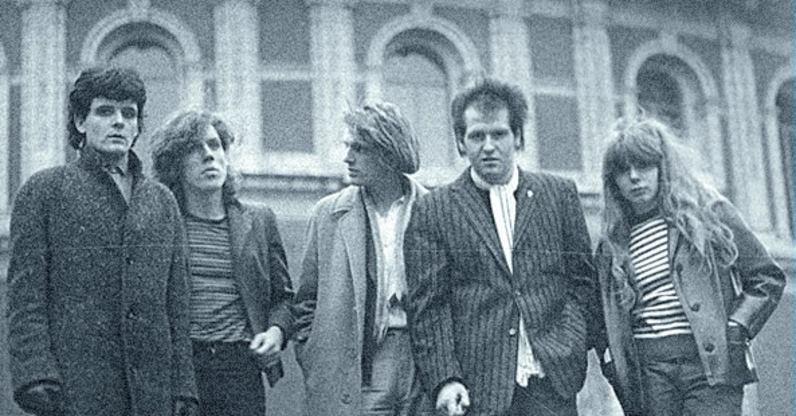
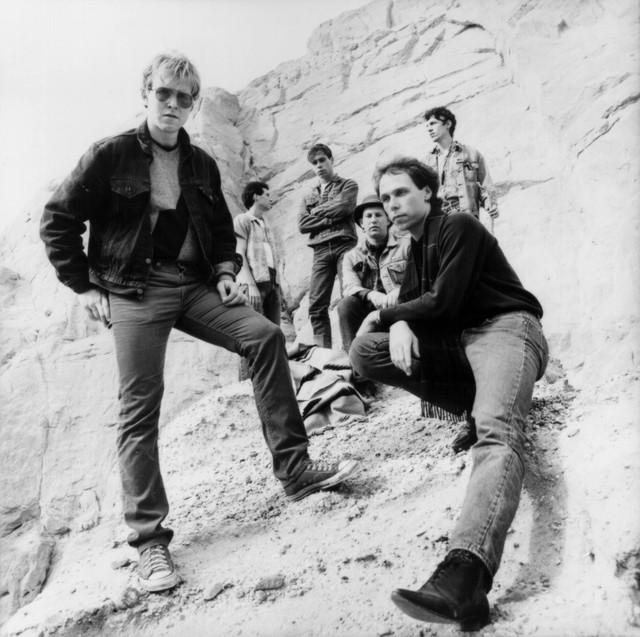
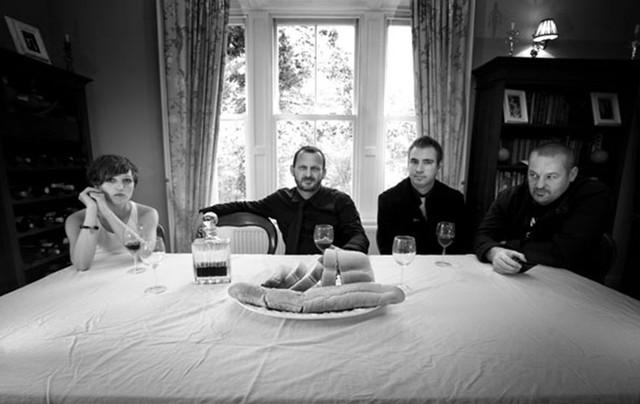
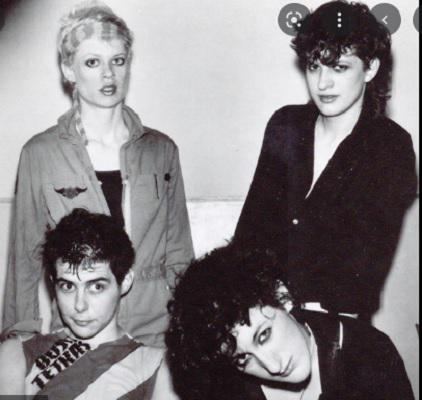
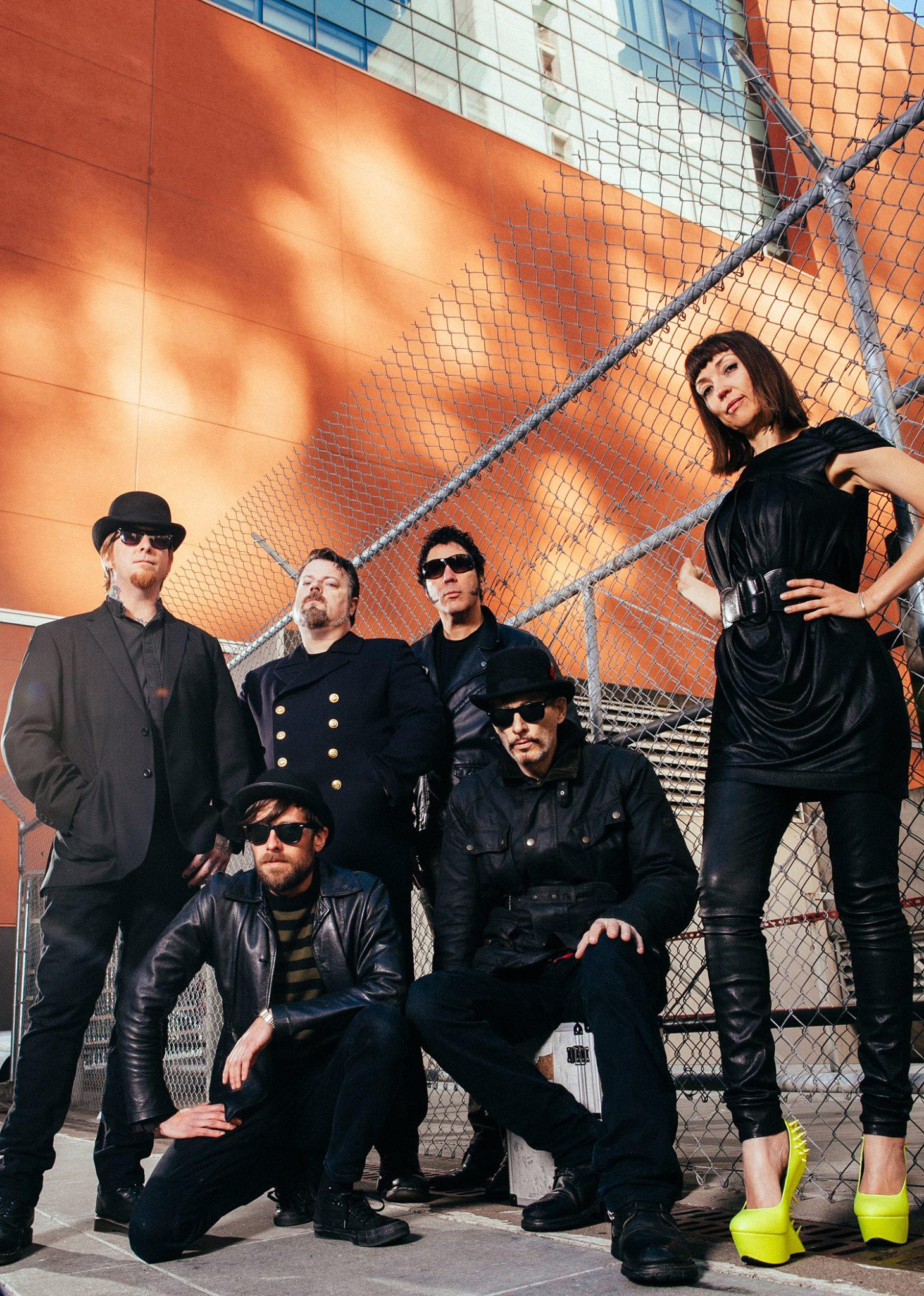
Chrome’s Spotify BioPioneers who paved the way for industrial music, noise rock, and more extreme corners of alternative rock, Chrome combined overloaded guitars, found sounds from TV, minimalist song structures, and a taste for sonic chaos that made them enduring cult heroes. Their bracing and imaginative songs sometimes sounded like a sci-fi soundtrack run through a shredder and they created a striking, original sound that challenged and engaged open-minded listeners. Chrome's influence far outstripped their popularity, yet guitarist Helios Creed would keep the band alive well into the 21st century. 1979's Half Machine Lip Moves was the group's first masterpiece, 1982's 3rd from the Sun is often cited as their best album, and 2014's Feel It Like a Scientist and 2021's Scaropy proved their unique vision was still alive and kicking.
Chrome were formed in San Francisco in 1976 by vocalist/drummer Damon Edge, vocalist/guitarist Mike Low, guitarist John Lambdin, and bassist Garry Spain; each played other… instruments as well, including tape machines, electric violin, and Moog. Chrome's sound wasn't quite fully formed by the time of their relatively poppy first album, The Visitation, though their obsession with science fiction was firmly in place. Second album Alien Soundtracks was the true genesis for Chrome, thanks in part to new member Helios Creed, who joined after the departure of Low. Creed's grinding guitar attack and Edge's tape manipulation on tracks like "All Data Lost" and "Chromosome Damage" would characterize the Chrome sound for years to come. Lambdin and Spain had virtually disappeared by 1979's Half Machine Lip Moves, and the industrial effects became even more experimental.
Chrome jumped to the major-label Beggars Banquet/WEA in 1980 for their third full-length, Red Exposure, where their previously uncompromising sound was now slightly compromised. The album wasn't a success, and before long the duo found themselves on the Dossier label for 1981's Blood on the Moon. Creed and Edge added a rhythm section (Hilary and John Stench) for the album, and it proved to be among their best efforts. Though 1982 was the year of Chrome's breakup, it saw the release of the fan favorite 3rd from the Sun along with the compilation LP No Humans Allowed, which included the EPs Inworlds and Read Only Memory. Also in 1982, Chrome Box appeared, comprising Alien Soundtracks, Half Machine Lip Moves, Blood on the Moon, and No Humans Allowed, plus the previously vinyl-only Chronicles, Vols. 1 & 2. Helios Creed began a successful solo career in 1985, while Damon Edge continued the Chrome name sporadically for the next ten years until his death in 1995. Creed reunited with John and Hilary Stench for 1997's Retro Transmission, which was seen as a return to form for the band. Though he continued his solo career for much of the 2000s, Creed began working under the Chrome name in the 2010s. For 2014's Feel It Like a Scientist and 2017's Techromancy, the band's lineup included keyboardist Tommy Grenas, drummer Aleph Omega, guitarist Lou Minatti, and bassist Steve "Trash" Fishman. Chrome returned to duty with 2021's Scaropy, which found Hilary Stench (aka Hilary Hanes) back in the lineup on bass, replacing Steve "Trash" Fishman. ~ John Bush & Mark Deming, Rovi
Viberate is a music analytics platform built for A&Rs, artist managers, labels, booking agents, marketers, and artists.
It helps music professionals track artist growth, analyze audience data, monitor playlist activity, compare artists, follow song performance, and identify opportunities across the music market.
Public artist pages provide a free preview of selected artist data. Paid plans provide access to deeper analytics, historical data, charts, comparisons, playlist tools, exports, alerts, reports, and additional professional features.
Yes. Public Viberate artist pages provide selected artist analytics and music data for free.
Viberate also offers a 7-day free trial of the full platform. A credit card is required to start the trial. The trial includes access to the complete product so users can test deeper artist analytics, historical views, playlist insights, comparisons, charts, exports, alerts, and reporting features before choosing a paid plan.
Viberate provides artist analytics across streaming, playlists, social media, video, radio airplay, songs, and audience markets.
Users can analyze Spotify performance, Spotify and Apple Music playlists, YouTube activity, TikTok and Instagram growth, radio spins, song performance, audience locations, demographics, rankings, and overall artist momentum.
Artist profiles also connect to music charts, similar artists, and comparison tools, helping users benchmark performance and evaluate artists in context.
Viberate updates key artist and track data daily.
For followed artists and tracks, selected data is refreshed multiple times per day. This helps teams monitor playlist changes, streaming movement, audience growth, releases, and campaign performance with more current data.
Update frequency can vary depending on the metric and data source.
Yes. Viberate lets users compare up to five artists side by side across streaming, social media, audience, and engagement metrics.
Users can compare fanbase growth, audience demographics, locations, Spotify performance, social metrics, and other artist data over selected time periods.
Artist comparison can be used for A&R scouting, benchmarking, booking decisions, campaign planning, and evaluating artists with similar audiences or market positions.