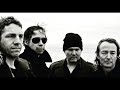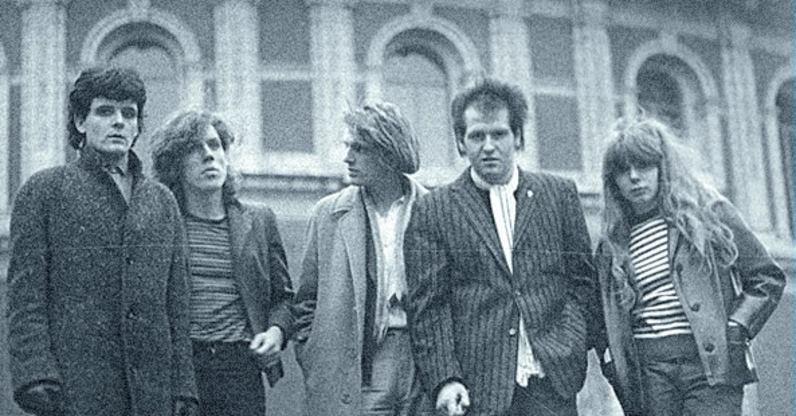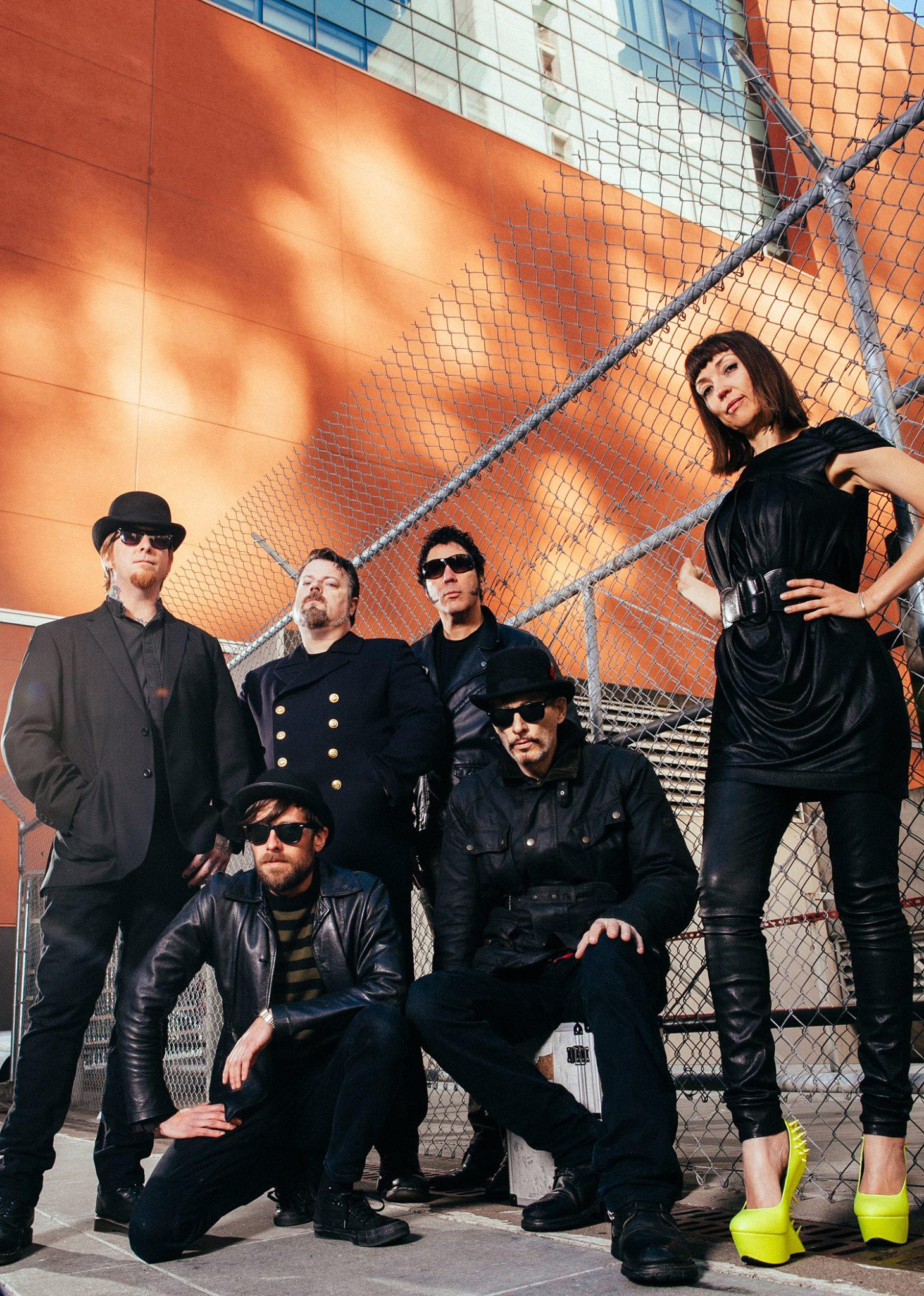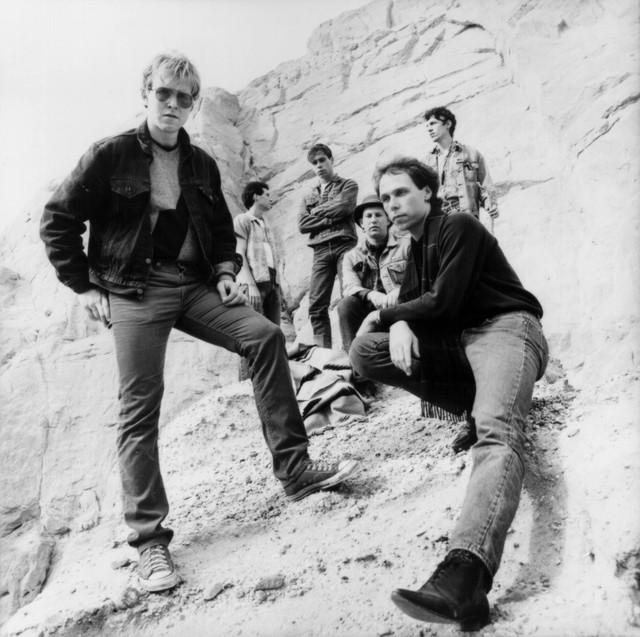
Savage Republic

Rock
Indie Rock
Post Punk
 Viberate Rank: 345494
 Viberate Rank: 345494
 Monthly ListenersFollowers
 Subscribers
 Followers
 Followers
 FansTop Spotify Songs
| Track | 7-Day Streams | |
|---|---|---|
1 | 194 | |
2 | 194 | |
3 | 142 | |
4 | 115 | |
5 | 112 |
Top YouTube VideosMonthly ListenersFeatured in Playlists| Playlist | Followers | |
|---|---|---|
1 | Beach Goth kylehauk | 7.46K |
2 |  80's NEW WAVE : Dark gothic / sinth pop / post punk / new romantic Edoardo Gramigna | 5.58K |
3 |  'The Silence Of The Lambs' Soundtrack Christopher Kolef | 5.34K |
4 |  The Sound of Post-Punk The Sounds of Spotify | 4.58K |
5 | 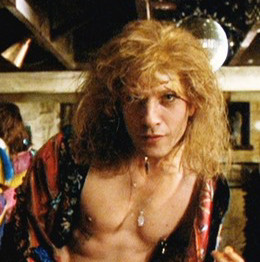 Buffalo Bill Getting Ready Ellery | 3.95K |
Audience| City | Monthly Listeners | |
|---|---|---|
1 | | 40 |
2 |  | 34 |
3 |  | 31 |
4 | | 30 |
5 |  | 30 |
See full performance history, audience data, playlist activity, rankings, comparisons, and more in Viberate music analytics. Start with a free trial, then continue with a paid plan.
Savage Republic’s Spotify BioFigures of considerable repute within the Los Angeles post-punk community of the 1980s, Savage Republic grafted tribal percussion, industrial drones, and raga-like guitar lines together to craft an idiosyncratically moody sound with flashes of both desolation and eloquent grandeur. Capable of both harsh dissonance and shimmering textures, Savage Republic's guiding force was guitarist Bruce Licher, a founder and constant presence in their shuffling lineups. Alternating between cyclic instrumentals and quasi-industrial assaults with gruff, chanted vocals, their records were unavoidably inconsistent, but most contain some enduring highlights.
Savage Republic were founded by former UCLA students Licher and drummer Mark Erskine in the early '80s. Adding new members Jackson Del Rey, Jeff Long, and Robert Loveless, the group members originally called themselves Africa Corps, changing the name to Savage Republic just before releasing their first record in 1982. Exotic percussion would always… play a big role in Savage Republic -- even in the early days they were using oil cans, metal pipes, and 55-gallon drums. Their early singles, and their debut LP Tragic Figures (1982), show the group at its least accessible, though there are hints of the more mysterious and melodic elements to come.
After some personnel changes (some members went off to form 17 Pygmies), Savage Republic regrouped with a more guitar-oriented sound. On Ceremonial (1985), the band shifted its focus to mostly instrumental material, usually piloted by oddly tuned guitars (the group sometimes used guitars with six identically tuned strings). They'd never wholly abandon those droning, angst-driven chants, though. Combined with the fact that their instrumental material wouldn't break much new ground over the course of the decade, that can make their studio albums uneven listening. In any case, Savage Republic were best experienced live, where they would burn trash cans of pampas leaves, play on Los Angeles' Skid Row, and use all sorts of unexpected objects for percussion in their quest to make each concert a unique event.
Savage Republic's albums, which were individually hand-letterpressed and numbered by Licher himself, received as much attention for their packaging as their music. Licher would perform the same services for other bands on his Independent Project label, even getting a Grammy nomination for his work on the first Camper Van Beethoven LP. Savage Republic were not destined to become nearly as big as Camper (not that this was ever their intent), and disbanded around 1990. A small reunion tour brought the band back in the fall of 2002, but the band only played a few random dates. After relocating to Arizona, Licher continued to run the Independent Project label, and design sleeves (his most famous work in that department has been for an R.E.M. Christmas fan club single). Musically, he resurfaced with the trio Scenic, which played entirely instrumental material that blends the exotic flavor of Savage Republic with influences from Ennio Morricone and Southwest border music.
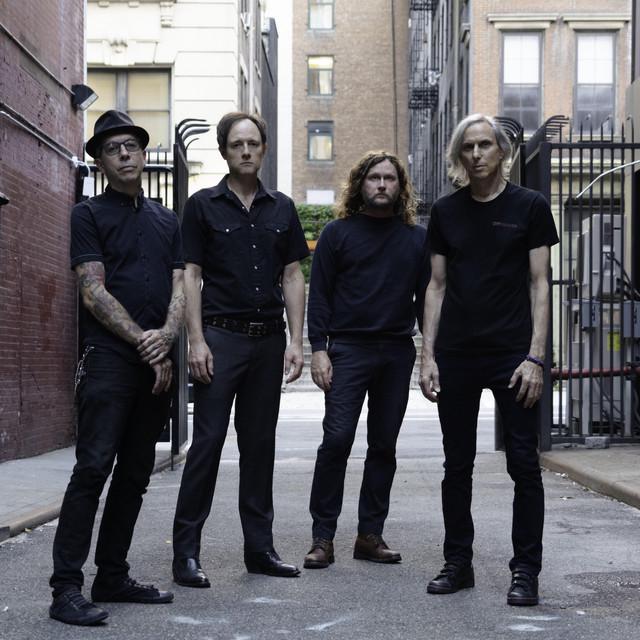
The group re-formed in the 2000s, although Licher was involved only with an initial reunion tour and Erskine was not involved at all; this lineup comprised a trio of mid-'80s members -- Greg Grunke, Thom Fuhrmann, and Ethan Port -- along with new recruits Alan Waddington, Val Haller, and Kerry Dowling. This lineup recorded the full-length 1938, which appeared in 2007 on the Neurot label. ~ Richie Unterberger, Rovi
Viberate is a music analytics platform built for A&Rs, artist managers, labels, booking agents, marketers, and artists.
It helps music professionals track artist growth, analyze audience data, monitor playlist activity, compare artists, follow song performance, and identify opportunities across the music market.
Public artist pages provide a free preview of selected artist data. Paid plans provide access to deeper analytics, historical data, charts, comparisons, playlist tools, exports, alerts, reports, and additional professional features.
Yes. Public Viberate artist pages provide selected artist analytics and music data for free.
Viberate also offers a 7-day free trial of the full platform. A credit card is required to start the trial. The trial includes access to the complete product so users can test deeper artist analytics, historical views, playlist insights, comparisons, charts, exports, alerts, and reporting features before choosing a paid plan.
Viberate provides artist analytics across streaming, playlists, social media, video, radio airplay, songs, and audience markets.
Users can analyze Spotify performance, Spotify and Apple Music playlists, YouTube activity, TikTok and Instagram growth, radio spins, song performance, audience locations, demographics, rankings, and overall artist momentum.
Artist profiles also connect to music charts, similar artists, and comparison tools, helping users benchmark performance and evaluate artists in context.
Viberate updates key artist and track data daily.
For followed artists and tracks, selected data is refreshed multiple times per day. This helps teams monitor playlist changes, streaming movement, audience growth, releases, and campaign performance with more current data.
Update frequency can vary depending on the metric and data source.
Yes. Viberate lets users compare up to five artists side by side across streaming, social media, audience, and engagement metrics.
Users can compare fanbase growth, audience demographics, locations, Spotify performance, social metrics, and other artist data over selected time periods.
Artist comparison can be used for A&R scouting, benchmarking, booking decisions, campaign planning, and evaluating artists with similar audiences or market positions.