Section 25

Punk
Punk Rock
Post Punk
Alternative Rock
 Viberate Rank: 140653
 Viberate Rank: 140653
 Monthly ListenersFollowers
 Subscribers
 Followers
 Followers
 FansTop Spotify Songs
| Track | 7-Day Streams | |
|---|---|---|
1 | 2.48K | |
2 | 1.48K | |
3 | 1.41K | |
4 | 1.19K | |
5 | 746 |
Top YouTube VideosMonthly ListenersFeatured in Playlists| Playlist | Followers | |
|---|---|---|
1 |  IDM Essentials Spotify | 204.19K |
2 |  Songs and Their Samples Aidan Joyce | 52.70K |
3 |  Sampled by Ye Still Drew | 43.26K |
4 | 80's New Wave Pascal Amiaud | 31.90K |
5 | NTS LIVE Sabri M. | 20.08K |
Audience| City | Monthly Listeners | |
|---|---|---|
1 |  | 683 |
2 |  | 643 |
3 | | 469 |
4 | | 421 |
5 | | 374 |
See full performance history, audience data, playlist activity, rankings, comparisons, and more in Viberate music analytics. Start with a free trial, then continue with a paid plan.
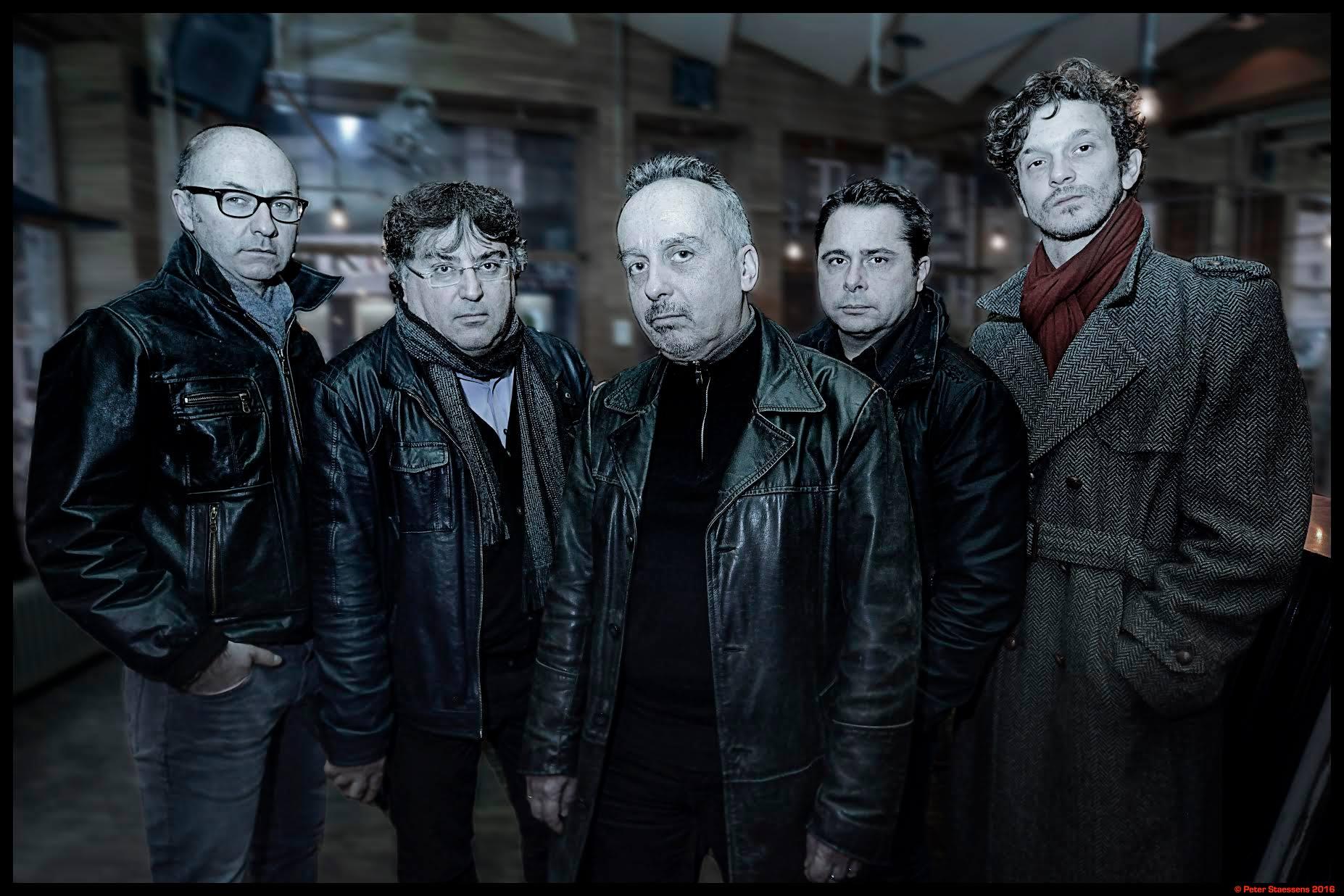
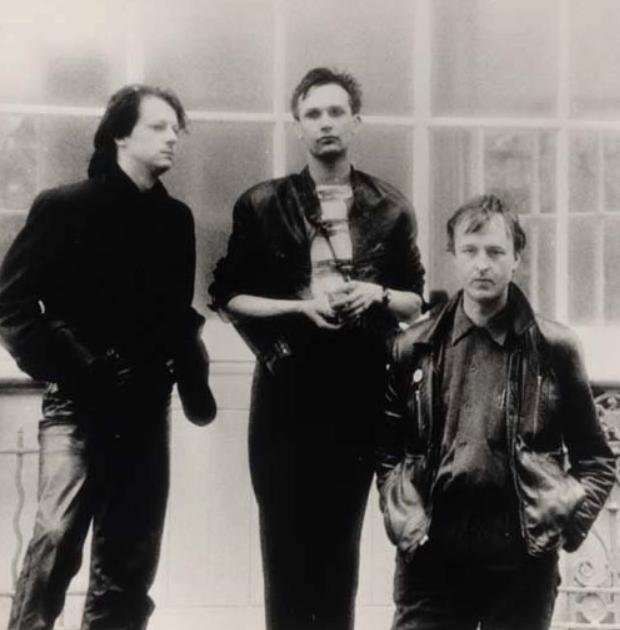
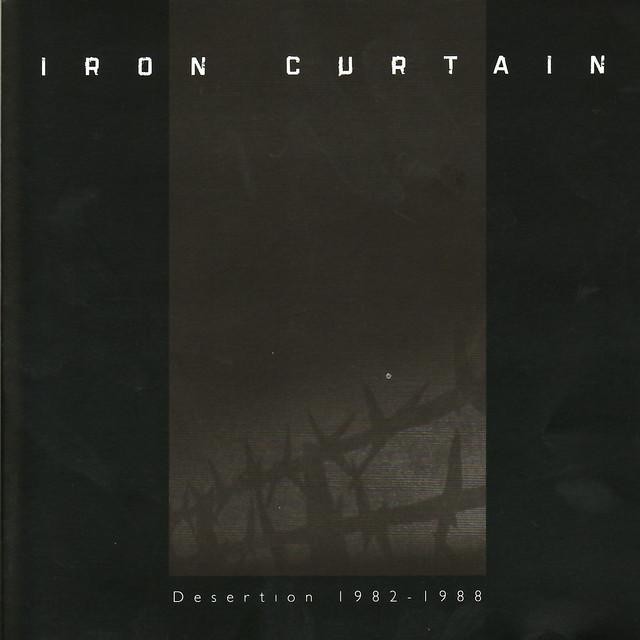
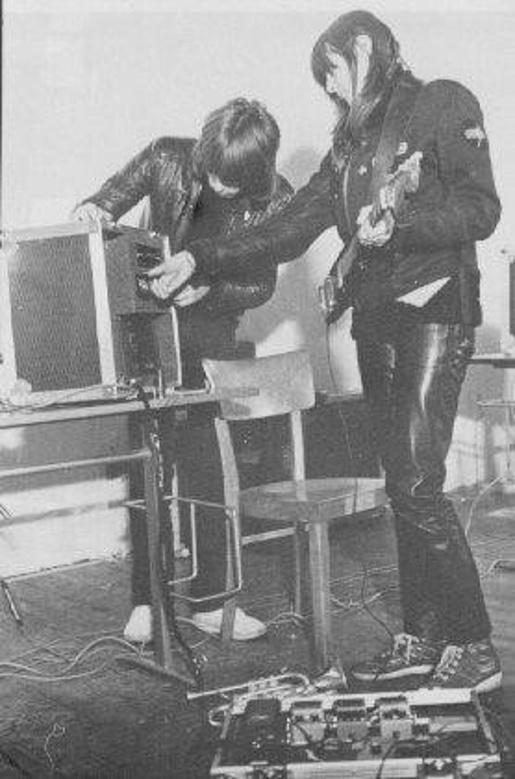
Section 25’s Spotify BioSection 25 progressed from a brooding post-punk group to an early indie-dance crossover act during the 1980s, then reconvened for a productive second run during the 21st century. Signed to the legendary Factory Records and debuting with a 1980 single produced by Ian Curtis of Joy Division, early Section 25 albums like 1981's Always Now followed in the iconic group's shadow. With 1984's From the Hip, containing the club hit "Looking from a Hilltop," the band embraced synth pop and electro, influencing subsequent alternative dance groups such as the Shamen, as well as the Madchester scene. The group disbanded following the delayed release of fourth album Love & Hate in 1988, but they re-formed in 2001 and made their proper return with the muscular post-punk of 2007's Part-Primitiv. Several albums followed, with 2013's Dark Light exploring bright techno-pop, and 2018's Elektra bringing guitars back to the forefront.
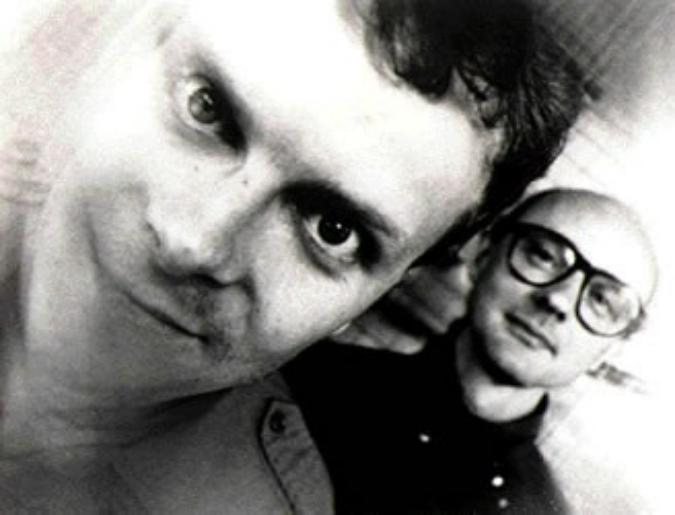
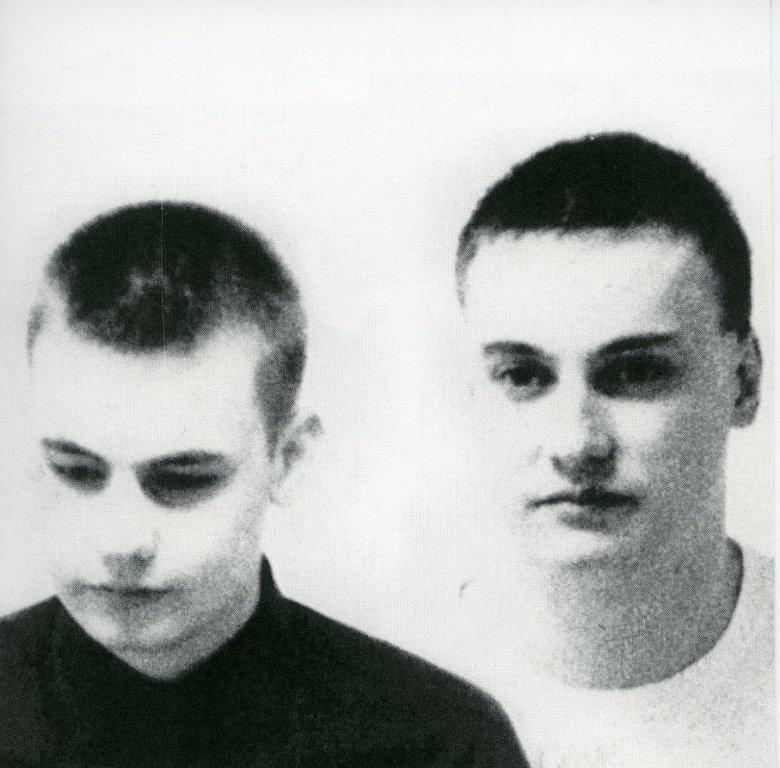
Formed in Blackpool in 1978 by brothers Larry and Vincent Cassidy, Section… 25 later added guitarist Paul Wiggin and a drummer who quit soon afterwards. With an early template similar to Joy Division's atmospheric post-punk, the group played around England in 1979 and released its debut single, "Girls Don't Count" (produced by JD's Ian Curtis), on Factory Records in early 1980. Following addition singles on the Factory Benelux imprint, Section 25's debut album, Always Now, appeared on Factory proper in 1981.
In 1982, the group finally added another drummer (Lee Shallcross), toured the U.S., and released its second album, Key of Dreams, on Factory Benelux. By the end of the year, the Cassidys grew frustrated with their approach to music and quit the business; six months later, however, they were back as a full band -- with Shallcross plus new additions, including Larry Cassidy's wife Jenny and Angela Flowers. Adding more electronics, Section 25 returned in 1984 with From the Hip, an album that earned release worldwide, including the band's first (and only) American release (on Factory U.S.). The band also scored an underground club hit with the album's penetrating "Looking from a Hilltop." Recorded two years later but not released until 1988, Love and Hate was the group's last proper studio album; at that point, the lineup had been reduced to Larry and Jenny Cassidy.
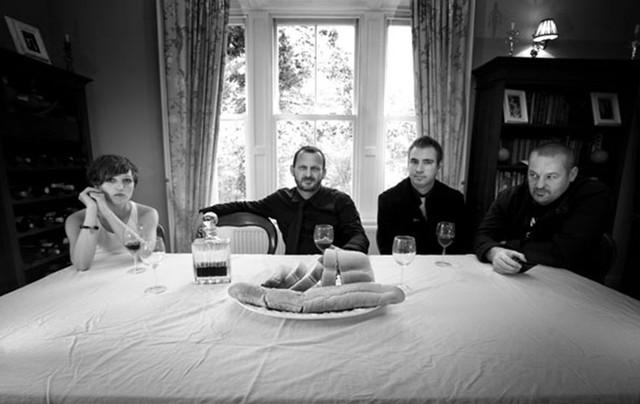
Section 25 reconvened in 2001, but a few years later, Jenny Cassidy's life was taken by cancer. The Cassidy brothers nonetheless kept the group afloat. Assisted by guitarist Ian Butterworth (Tunnelvision) and Roger Wikeley (bass, keyboards), Section 25 played several gigs and recorded Part-Primitiv -- featuring a couple songs with Jenny Cassidy's vocals -- released in 2007. Steve Stringer eventually replaced Wikeley, and in 2009 the group released another studio album, Nature + Degree. Larry and Jenny's daughter, Bethany, provided lead vocals on a pair of its songs. Larry Cassidy died of a blood clot on February 27, 2010. Retrofit, an album of remixes and re-recordings that was near completion before his passing, arrived in September of that year. The band supported its release with a series of U.K. shows featuring Bethany as vocalist.
Following the 2011 digital EP Invicta, Section 25 released the upbeat electropop album Dark Light in 2013. Eigengrau, an album of experimental remixes, was issued by Klanggalerie the same year. In April of 2015, the band released a Record Store Day single containing the previously unrecorded 1980 tune "Mirror," featuring Simon Topping of A Certain Ratio. A year later, also on Record Store Day, the group released live album Alfresco. Studio album Elektra followed in 2018, marking the return of earlier guitarist Paul Wiggin. The album's final track was a cover of Kanye West's "FML," which sampled "Hit," a song from Section 25's first full-length. ~ John Bush, Rovi
Viberate is a music analytics platform built for A&Rs, artist managers, labels, booking agents, marketers, and artists.
It helps music professionals track artist growth, analyze audience data, monitor playlist activity, compare artists, follow song performance, and identify opportunities across the music market.
Public artist pages provide a free preview of selected artist data. Paid plans provide access to deeper analytics, historical data, charts, comparisons, playlist tools, exports, alerts, reports, and additional professional features.
Yes. Public Viberate artist pages provide selected artist analytics and music data for free.
Viberate also offers a 7-day free trial of the full platform. A credit card is required to start the trial. The trial includes access to the complete product so users can test deeper artist analytics, historical views, playlist insights, comparisons, charts, exports, alerts, and reporting features before choosing a paid plan.
Viberate provides artist analytics across streaming, playlists, social media, video, radio airplay, songs, and audience markets.
Users can analyze Spotify performance, Spotify and Apple Music playlists, YouTube activity, TikTok and Instagram growth, radio spins, song performance, audience locations, demographics, rankings, and overall artist momentum.
Artist profiles also connect to music charts, similar artists, and comparison tools, helping users benchmark performance and evaluate artists in context.
Viberate updates key artist and track data daily.
For followed artists and tracks, selected data is refreshed multiple times per day. This helps teams monitor playlist changes, streaming movement, audience growth, releases, and campaign performance with more current data.
Update frequency can vary depending on the metric and data source.
Yes. Viberate lets users compare up to five artists side by side across streaming, social media, audience, and engagement metrics.
Users can compare fanbase growth, audience demographics, locations, Spotify performance, social metrics, and other artist data over selected time periods.
Artist comparison can be used for A&R scouting, benchmarking, booking decisions, campaign planning, and evaluating artists with similar audiences or market positions.