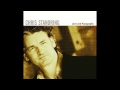
Chris Standring

Jazz
Smooth Jazz
 Viberate Rank: 44199
 Viberate Rank: 44199
 Monthly ListenersFollowers
 Subscribers
 Followers
 Followers
 FansTop Spotify Songs
| Track | 7-Day Streams | |
|---|---|---|
1 | 100.56K | |
2 | 51.33K | |
3 | 22.44K | |
4 | 11.00K | |
5 | 9.40K |
Top YouTube VideosMonthly ListenersFeatured in Playlists| Playlist | Followers | |
|---|---|---|
1 |  Smooth Jazz Chill Spotify | 477.46K |
2 |  Smooth Jazz Spotify | 463.66K |
3 |  Jazz-Funk Spotify | 425.82K |
4 |  Romantic Smooth Jazz Spotify | 176.27K |
5 |  Smooth Jazz - Instrumental Pekka Martikainen | 141.77K |
Audience| City | Monthly Listeners | |
|---|---|---|
1 | | 3.85K |
2 | | 3.76K |
3 | | 3.68K |
4 |  | 3.46K |
5 | | 3.31K |
See full performance history, audience data, playlist activity, rankings, comparisons, and more in Viberate music analytics. Start with a free trial, then continue with a paid plan.
Chris Standring’s Spotify BioBritish guitarist Chris Standring is a popular contemporary jazz performer, known for his chilled-out grooves, Latin rhythms, and hooky, R&B-influenced melodies. Standring first garnered attention with albums like 1998's Velvet and 2000's Hip Sway. His profile grew further after he founded his own Ultimate Vibe label and scored five Top Ten Billboard Contemporary Jazz albums, including 2008's Love & Paragraphs, 2012's Electric Wonderland, and 2018's Sunlight; all of which found him embracing an ever more sophisticated and stylistically varied sound. In 2021, he released his first orchestral album of jazz standards, Wonderful World.
Born in 1960 in Buckinghamshire, England, Standring started studying classical guitar at age six. While he grew up listening to jazz, it was while studying at the London College of Music that he fully embraced jazz improvisation alongside his classical studies. He further honed his skills during a decade spent working for the BBC as well as a number of… theatrical orchestras in London's West End. From there, Standring relocated to Los Angeles, where he became a top session player after recording with everyone from Bebe & Cece Winans to Jody Watley and Carole Bayer Sager. In 1996, he also teamed up with keyboardist Rodney Lee to helm the acid jazz combo SolarSystem. After touring for a year-and-a-half with trumpeter Rick Braun, Standring issued his solo debut, Velvet, in 1999, scoring the smooth jazz radio hit "Cool Shades." Hip Sway appeared a year later, followed by Groovalicious in 2003. In 2006, Standring delivered his fourth solo effort, Soul Express, which featured more chilled-out instrumental R&B, as well as a reworking of John Coltrane's "Giant Steps."
Starting with 2008's Love & Paragraphs, Standring began releasing albums on his own Ultimate Vibe Recordings label. Along with the label change came a somewhat more ambitious musical direction that found the guitarist incorporating strings, Latin rhythms, and expansive compositions to his repertoire. His 2010 release, Blue Bolero, featured collaborations with violinist Barbara Porter and included the single "Bossa Blue," which hit number one on the contemporary jazz charts. Two years later, he returned with the similarly ambitious Electric Wonderland.
His 2014 album, Don't Talk, Dance!, showcased an electronica-influenced sound and featured the single "Sneakin' Out the Front Door," which hit number one on the Billboard Smooth Jazz Songs chart. In 2016, Standring returned with Ten, a more hardcore jazz-influenced production inspired by his love of both Pat Martino and George Benson. Included on Ten was the single "Ready Steady Flow."
The following year he released the concert LP Live in London, which featured special guest Mica Paris. Paris was again on board for the guitarist's 2018 studio effort, Sunlight. Also featured on the soul-jazz-infused production were Bob James and John Novello. The album topped Billboard's Contemporary Jazz Albums chart. He returned in 2020 with the equally soulful Real Life. In 2021, Standring turned his attention to the Great American Songbook with the orchestral album Wonderful World. It found him putting his distinctive spin on jazz standards and featured guest appearances by Randy Brecker, Peter Erskine, Chuck Berghofer, and others. ~ Matt Collar, Rovi
Viberate is a music analytics platform built for A&Rs, artist managers, labels, booking agents, marketers, and artists.
It helps music professionals track artist growth, analyze audience data, monitor playlist activity, compare artists, follow song performance, and identify opportunities across the music market.
Public artist pages provide a free preview of selected artist data. Paid plans provide access to deeper analytics, historical data, charts, comparisons, playlist tools, exports, alerts, reports, and additional professional features.
Yes. Public Viberate artist pages provide selected artist analytics and music data for free.
Viberate also offers a 7-day free trial of the full platform. A credit card is required to start the trial. The trial includes access to the complete product so users can test deeper artist analytics, historical views, playlist insights, comparisons, charts, exports, alerts, and reporting features before choosing a paid plan.
Viberate provides artist analytics across streaming, playlists, social media, video, radio airplay, songs, and audience markets.
Users can analyze Spotify performance, Spotify and Apple Music playlists, YouTube activity, TikTok and Instagram growth, radio spins, song performance, audience locations, demographics, rankings, and overall artist momentum.
Artist profiles also connect to music charts, similar artists, and comparison tools, helping users benchmark performance and evaluate artists in context.
Viberate updates key artist and track data daily.
For followed artists and tracks, selected data is refreshed multiple times per day. This helps teams monitor playlist changes, streaming movement, audience growth, releases, and campaign performance with more current data.
Update frequency can vary depending on the metric and data source.
Yes. Viberate lets users compare up to five artists side by side across streaming, social media, audience, and engagement metrics.
Users can compare fanbase growth, audience demographics, locations, Spotify performance, social metrics, and other artist data over selected time periods.
Artist comparison can be used for A&R scouting, benchmarking, booking decisions, campaign planning, and evaluating artists with similar audiences or market positions.