Nils

Jazz
Smooth Jazz
 Viberate Rank: 70878
 Viberate Rank: 70878
 Monthly ListenersFollowers
 Subscribers
 Followers
 Followers
 FansTop Spotify Songs
| Track | 7-Day Streams | |
|---|---|---|
1 | 62.45K | |
2 | 15.27K | |
3 | 12.46K | |
4 | 4.43K | |
5 | 3.87K |
Top YouTube Videos| Video | 7-Day Views | |
|---|---|---|
1 | 25 | |
2 | 2 |
Monthly ListenersFeatured in Playlists| Playlist | Followers | |
|---|---|---|
1 |  Smooth Jazz Chill Spotify | 477.46K |
2 |  Smooth Jazz Spotify | 463.66K |
3 |  Jazz Classics: An Elegant Evening EMITHA | 205.76K |
4 |  Smooth Jazz - Instrumental Pekka Martikainen | 141.77K |
5 |  New Smooth Jazz Spotify | 93.78K |
Audience| City | Monthly Listeners | |
|---|---|---|
1 |  | 2.12K |
2 | | 2.02K |
3 | | 1.94K |
4 | | 1.90K |
5 | | 1.81K |
See full performance history, audience data, playlist activity, rankings, comparisons, and more in Viberate music analytics. Start with a free trial, then continue with a paid plan.
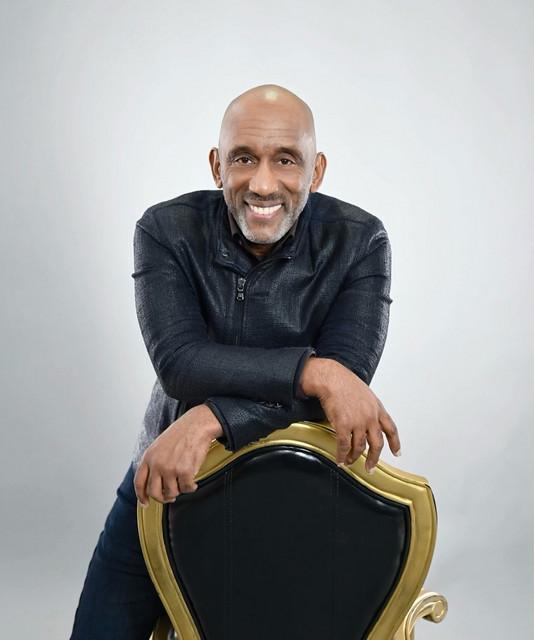
Nils’ Spotify BioA German-born contemporary jazz guitarist, Nils Jiptner (aka Nils) is a successful solo artist and session player with a groove-based sound rooted in funk and fusion. Initially garnering attention in Los Angeles studios recording with artists like George Benson and the Temptations, Nils embarked on a solo career in the '90s. He broke through with the smooth jazz hit "Summer Night" off 2005's Pacific Coast Highway, and followed with 2007's Ready to Play and 2009's Up Close and Personal. He has remained a popular performer, topping the Billboard Smooth Jazz Albums chart with 2010's What the Funk?, 2020's Caught in the Groove, and 2023's Happy to C U.
A native of Munich, Nils first started playing guitar in his teens, inspired by bands like Led Zeppelin and Deep Purple. Later, he discovered funk, jazz, and fusion and began expanding his skills as he investigated the music of Robben Ford, Larry Carlton, and Chic's Nile Rodgers. In the mid-'80s he relocated to Los Angeles, where he studied… composition, arranging, and film scoring. He also found session work, playing with artists like guitarist George Benson, trumpeter Rick Braun, and the Temptations. As a solo artist, he debuted in 1998 with Blue Planet, which featured guest appearances by Benson, Nathan East, Chante Moore, and others.
However, it was his next album, 2005's Pacific Coast Highway, which broke his career wide-open. The title track peaked at number ten on the Billboard Smooth Jazz Songs chart, and became a huge radio favorite. A second single, "Summer Nights," fared even better hitting number one. Nils followed up with several more well-received albums, including 2007's Ready to Play and 2009's Up Close and Personal. During this period, he furthered his studio work, producing music for film and working behind the scenes on TV shows like Weeds and Undeclared. He also continued to offer guitar instruction, teaching young musicians, and releasing videos and books.
He returned to his solo work with 2010's What the Funk?, which included the top six smooth jazz single "Jump Start." He then delivered City Groove, featuring the number two charting Billboard contemporary jazz single "Let's Bounce." Alley Cat followed in 2015 and included contributions from Nate Harasim, Ricky Lawson, and others. In 2018, Nils delivered his eighth studio album, Play, which featured contributions from longtime associate, trumpeter Johnny Britt.
The guitarist again topped the Billboard Smooth Jazz Albums chart with 2020's Caught in the Groove, which also featured trumpeter Britt. A year later, he released Cool Shades, which featured guest spots by saxophonist Steve Cole and keyboardist Jeff Lorber, while 2021's Play found him collaborating with trumpeter Rick Braun and bassist Brian Bromberg. Both albums also reached the Top Ten of the smooth jazz charts. In 2023, Nils released Happy to C U, which included guests saxophonist Mindi Abair and guitarist Paul Brown. It peaked at number one on the smooth jazz chart. ~ Matt Collar, Rovi
Viberate is a music analytics platform built for A&Rs, artist managers, labels, booking agents, marketers, and artists.
It helps music professionals track artist growth, analyze audience data, monitor playlist activity, compare artists, follow song performance, and identify opportunities across the music market.
Public artist pages provide a free preview of selected artist data. Paid plans provide access to deeper analytics, historical data, charts, comparisons, playlist tools, exports, alerts, reports, and additional professional features.
Yes. Public Viberate artist pages provide selected artist analytics and music data for free.
Viberate also offers a 7-day free trial of the full platform. A credit card is required to start the trial. The trial includes access to the complete product so users can test deeper artist analytics, historical views, playlist insights, comparisons, charts, exports, alerts, and reporting features before choosing a paid plan.
Viberate provides artist analytics across streaming, playlists, social media, video, radio airplay, songs, and audience markets.
Users can analyze Spotify performance, Spotify and Apple Music playlists, YouTube activity, TikTok and Instagram growth, radio spins, song performance, audience locations, demographics, rankings, and overall artist momentum.
Artist profiles also connect to music charts, similar artists, and comparison tools, helping users benchmark performance and evaluate artists in context.
Viberate updates key artist and track data daily.
For followed artists and tracks, selected data is refreshed multiple times per day. This helps teams monitor playlist changes, streaming movement, audience growth, releases, and campaign performance with more current data.
Update frequency can vary depending on the metric and data source.
Yes. Viberate lets users compare up to five artists side by side across streaming, social media, audience, and engagement metrics.
Users can compare fanbase growth, audience demographics, locations, Spotify performance, social metrics, and other artist data over selected time periods.
Artist comparison can be used for A&R scouting, benchmarking, booking decisions, campaign planning, and evaluating artists with similar audiences or market positions.