The Meters

R&B
Funk
 Viberate Rank: 32398
 Viberate Rank: 32398
 Monthly ListenersFollowers
 Subscribers
 Followers
 Followers
 FansTop Spotify Songs
| Track | 7-Day Streams | |
|---|---|---|
1 | 150.07K | |
2 | 38.64K | |
3 | 26.49K | |
4 | 21.41K | |
5 | 21.28K |
Top YouTube Videos| Video | 7-Day Views | |
|---|---|---|
1 | 10.97K | |
2 | 1.75K | |
3 | 1.53K | |
4 | 835 | |
5 | 816 |
Monthly ListenersFeatured in Playlists| Playlist | Followers | |
|---|---|---|
1 |  Feelin' Good Spotify | 3.58M |
2 |  Funk & Soul Classics Spotify | 1.91M |
3 |  Funk Outta Here Spotify | 1.30M |
4 |  The Black Power Mixtape 1967–1975 Spotify | 834.24K |
5 |  The Umbrella Academy: Complete Playlist Topsify Movies | 289.88K |
Audience| City | Monthly Listeners | |
|---|---|---|
1 |  | 14.42K |
2 |  | 8.69K |
3 | | 8.61K |
4 | | 8.44K |
5 | | 7.80K |
See full performance history, audience data, playlist activity, rankings, comparisons, and more in Viberate music analytics. Start with a free trial, then continue with a paid plan.
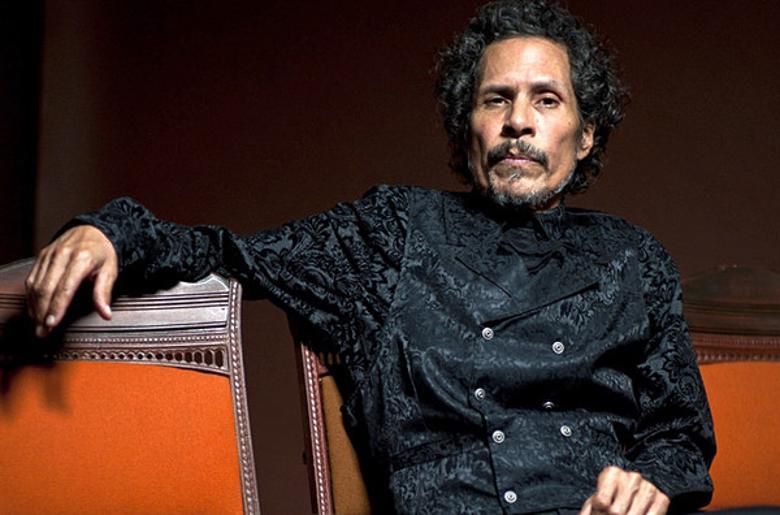
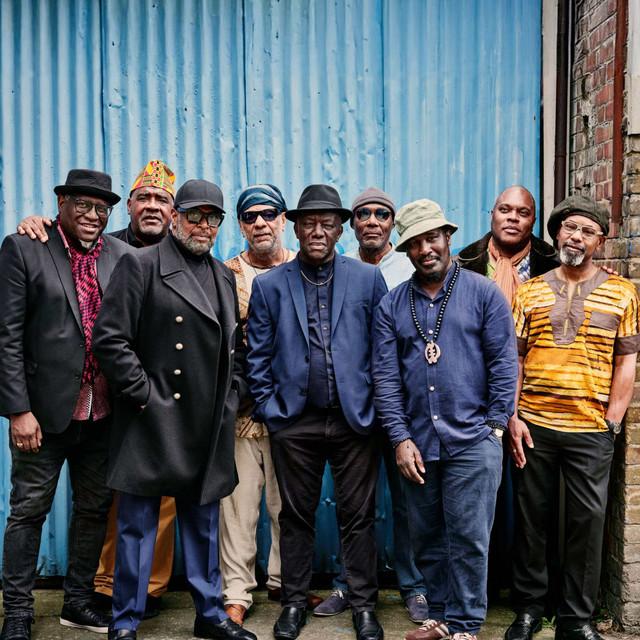
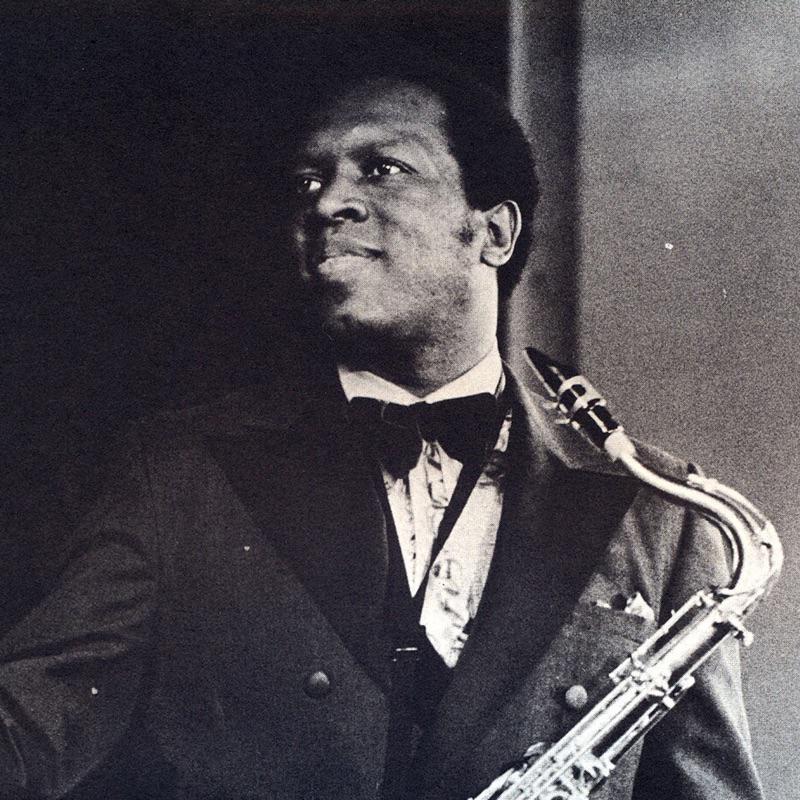
The Meters’ Spotify BioThe Meters defined New Orleans funk, not only on their own recordings, but also as the backing band for numerous artists, including many produced by Allen Toussaint. Where the funk of Sly Stone and James Brown was wild, careening, and determinedly urban, the Meters were down-home and earthy. Nearly all of their own recordings were instrumentals, putting the emphasis on the organic and complex rhythms. The syncopated, layered percussion intertwined with the gritty grooves of the guitar and organ, creating a distinctive sound that earned a small, devoted cult during the '70s, including musicians like Paul McCartney and Robert Palmer, both of whom used the group as a backing band for recording. Despite their reputation as an extraordinary live band, the Meters never broke into the mainstream, but their sound provided the basis for much of the funk and hip-hop of the '80s and '90s.
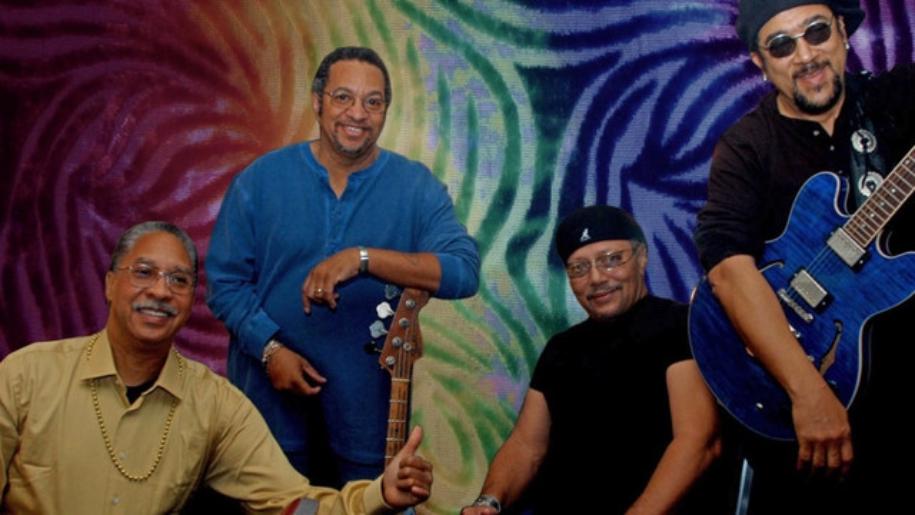
Throughout their career, the Meters were always led by Art Neville (keyboard, vocals), one of the leading… figures of the New Orleans musical community. As a teenager in high school, he recorded the seminal "Mardi Gras Mambo" with his group, the Hawketts, for Chess Records. The exposure with the Hawketts led to solo contracts with Specialty and Instant, where he released a handful of singles that became regional hits in the early '60s. Around 1966, he formed Art Neville & the Sounds with his brothers Aaron and Charles (both vocals), guitarist Leo Nocentelli, drummer Joseph "Zigaboo" Modeliste, and bassist George Porter. The band grew out of informal jam sessions the musicians held in local New Orleans nightclubs. After spending a few months playing under the Sounds name, producer Allen Toussaint and Marshall Sehorn hired the group -- without the vocalists -- to be the house band for their label Sansu Enterprises.
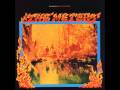
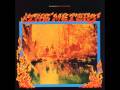
As the house band for Sansu, the Meters played on records by Earl King, Lee Dorsey, Chris Kenner, and Betty Harris, as well as Toussaint himself. They also performed and recorded on their own, releasing danceable instrumental singles on Josie Records. "Sophisticated Cissy" and "Cissy Strut" became Top Ten R&B hits in the spring of 1969, followed by the number 11 hits "Look-Ka Py Py" and "Chicken Strut" a year later. The Meters stayed at Josie until 1972, and during that entire time they reached the R&B Top 50 consistently, usually placing within the Top 40. In 1972, the group moved to Reprise Records, yet they didn't sever their ties with Sansu, electing to keep Toussaint as their producer and Sehon as their manager. Ironically, the Meters didn't have nearly as many hit singles at Reprise, yet their profile remained remarkably high. If anything, the group became hipper, performing on records by Robert Palmer, Dr. John, LaBelle, King Biscuit Boy, and Paul McCartney. By the release of 1975's Fire on the Bayou, the Meters had a Top 40 hit with Rejuvenation's "Hey Pocky A-Way" (1974), and they had gained a significant following among rock audience and critics. Fire on the Bayou received significant praise, and the group opened for the Rolling Stones on the British band's 1975 and 1976 tours.
During 1975, the Meters embarked on the Wild Tchoupitoulas project with Art's uncle and cousin George and Amos Landry, two members of the Mardi Gras ceremonial Black Indian tribe, the Wild Tchoupitoulas. The Meters, the Landrys, and the Neville brothers -- Aaron, Charles, Art, and Cyril -- were all involved in the recording of the album, which received enthusiastic reviews upon its release in 1976. Cyril joined the Meters after the record's release. Despite all of the acclaim for The Wild Tchoupitoulas, its adventurous tendencies indicated that the group was feeling constrained by its signature sound. Such suspicions were confirmed the following year, when they separated from Toussaint and Sehorn, claiming they needed to take control of their artistic direction. Following the split, the Meters released New Directions in 1977, but shortly after its appearance, Toussaint and Sehorn claimed the rights to the group's name. Instead of fighting, the band broke up, with Art and Cyril forming the Neville Brothers with Aaron and Charles, while the remaining trio became session musicians in New Orleans. Modeliste, in particular, became a well-known professional musician, touring with the New Barbarians in 1979 and moving to L.A. during the '80s.
The Meters reunited as a touring unit in 1990 with Russell Batiste taking over the drum duties from Modeliste. Four years later, Nocentelli left the band, allegedly because he and Art disagreed whether the band should be paid for samples hip-hop groups took from their old records; he was replaced by Brian Stoltz, who had played with the Neville Brothers. The Meters continued to tour throughout the '90s. ~ Stephen Thomas Erlewine, Rovi
Viberate is a music analytics platform built for A&Rs, artist managers, labels, booking agents, marketers, and artists.
It helps music professionals track artist growth, analyze audience data, monitor playlist activity, compare artists, follow song performance, and identify opportunities across the music market.
Public artist pages provide a free preview of selected artist data. Paid plans provide access to deeper analytics, historical data, charts, comparisons, playlist tools, exports, alerts, reports, and additional professional features.
Yes. Public Viberate artist pages provide selected artist analytics and music data for free.
Viberate also offers a 7-day free trial of the full platform. A credit card is required to start the trial. The trial includes access to the complete product so users can test deeper artist analytics, historical views, playlist insights, comparisons, charts, exports, alerts, and reporting features before choosing a paid plan.
Viberate provides artist analytics across streaming, playlists, social media, video, radio airplay, songs, and audience markets.
Users can analyze Spotify performance, Spotify and Apple Music playlists, YouTube activity, TikTok and Instagram growth, radio spins, song performance, audience locations, demographics, rankings, and overall artist momentum.
Artist profiles also connect to music charts, similar artists, and comparison tools, helping users benchmark performance and evaluate artists in context.
Viberate updates key artist and track data daily.
For followed artists and tracks, selected data is refreshed multiple times per day. This helps teams monitor playlist changes, streaming movement, audience growth, releases, and campaign performance with more current data.
Update frequency can vary depending on the metric and data source.
Yes. Viberate lets users compare up to five artists side by side across streaming, social media, audience, and engagement metrics.
Users can compare fanbase growth, audience demographics, locations, Spotify performance, social metrics, and other artist data over selected time periods.
Artist comparison can be used for A&R scouting, benchmarking, booking decisions, campaign planning, and evaluating artists with similar audiences or market positions.