King Curtis

Blues
Classic Blues
Jazz Blues
 Viberate Rank: 57314
 Viberate Rank: 57314
 Monthly ListenersFollowers
 Subscribers
 Followers
 Followers
 FansTop Spotify Songs
| Track | 7-Day Streams | |
|---|---|---|
1 | 124.96K | |
2 | 53.58K | |
3 | 32.19K | |
4 | 17.27K | |
5 | 7.46K |
Top YouTube VideosMonthly ListenersFeatured in Playlists| Playlist | Followers | |
|---|---|---|
1 |  Funk Outta Here Spotify | 1.30M |
2 |  The Hawaiian Party Spotify | 137.63K |
3 |  I Love My 60s Funk Spotify | 111.08K |
4 |  Haruki Murakami's vinyl collection Masamaro | 109.94K |
5 | While You Work (@whileyouwork) Eli Feghali | 81.75K |
Audience| City | Monthly Listeners | |
|---|---|---|
1 |  | 6.05K |
2 |  | 3.26K |
3 | | 3.00K |
4 | | 2.68K |
5 |  | 2.33K |
See full performance history, audience data, playlist activity, rankings, comparisons, and more in Viberate music analytics. Start with a free trial, then continue with a paid plan.
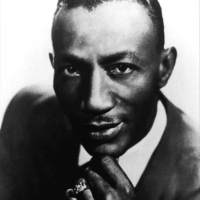
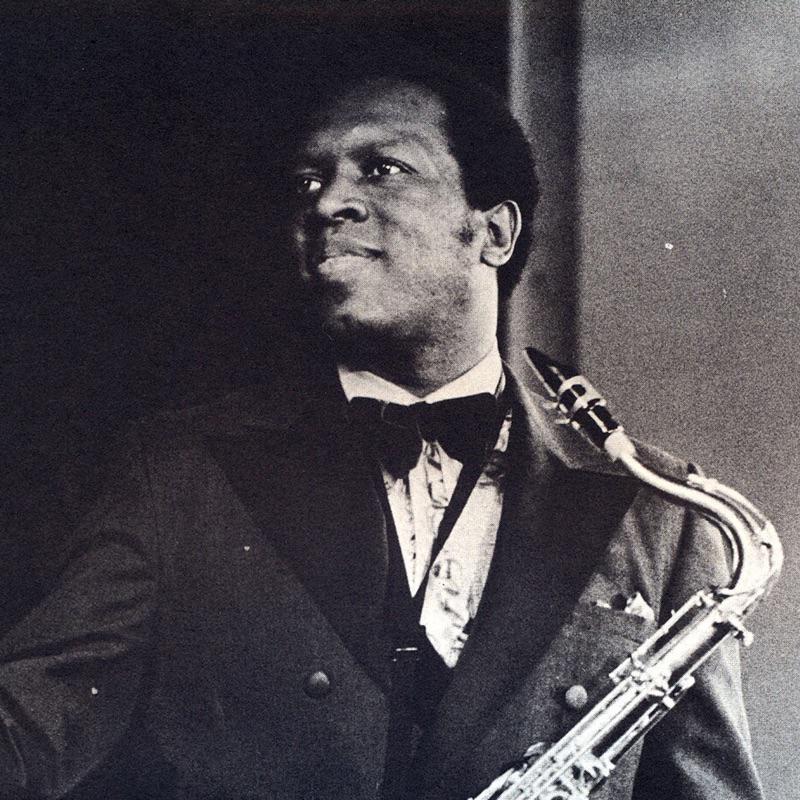
King Curtis’ Spotify BioKing Curtis was the last of the great R&B tenor sax giants. Born Curtis Ousley in Fort Worth, Texas, he came to prominence in the mid-'50s as a session musician in New York, recording, at one time or another, for most East Coast R&B labels. A long association with Atco/Atlantic began in 1958, especially on recordings by the Coasters. He recorded singles for many small labels in the '50s -- his own Atco sessions (1958-1959), and Prestige/New Jazz and Prestige/Tru-Sound for jazz and R&B albums (1960-1961). Curtis also had a number one R&B single with "Soul Twist" on Enjoy (1962). He was signed by Capitol (1963-1964), where he cut mostly singles, including the number 20 R&B hit "Soul Serenade." He returned to Atco/Atlantic in 1965, where he remained for the rest of his life. He had solid R&B single success with "Memphis Soul Stew" and "Ode to Billie Joe" (1967). Beginning in 1967, Curtis started to take a more active studio role at Atlantic, leading and contracting sessions for other… artists, producing with Jerry Wexler, and later on his own. He also became the leader of Aretha Franklin's backing unit, the Kingpins. He compiled several albums of singles during this period. All aspects of his career were in full swing at the time he was murdered in 1971. He was inducted into the Rock & Roll Hall of Fame in 2000. ~ Bob Porter, Rovi
Viberate is a music analytics platform built for A&Rs, artist managers, labels, booking agents, marketers, and artists.
It helps music professionals track artist growth, analyze audience data, monitor playlist activity, compare artists, follow song performance, and identify opportunities across the music market.
Public artist pages provide a free preview of selected artist data. Paid plans provide access to deeper analytics, historical data, charts, comparisons, playlist tools, exports, alerts, reports, and additional professional features.
Yes. Public Viberate artist pages provide selected artist analytics and music data for free.
Viberate also offers a 7-day free trial of the full platform. A credit card is required to start the trial. The trial includes access to the complete product so users can test deeper artist analytics, historical views, playlist insights, comparisons, charts, exports, alerts, and reporting features before choosing a paid plan.
Viberate provides artist analytics across streaming, playlists, social media, video, radio airplay, songs, and audience markets.
Users can analyze Spotify performance, Spotify and Apple Music playlists, YouTube activity, TikTok and Instagram growth, radio spins, song performance, audience locations, demographics, rankings, and overall artist momentum.
Artist profiles also connect to music charts, similar artists, and comparison tools, helping users benchmark performance and evaluate artists in context.
Viberate updates key artist and track data daily.
For followed artists and tracks, selected data is refreshed multiple times per day. This helps teams monitor playlist changes, streaming movement, audience growth, releases, and campaign performance with more current data.
Update frequency can vary depending on the metric and data source.
Yes. Viberate lets users compare up to five artists side by side across streaming, social media, audience, and engagement metrics.
Users can compare fanbase growth, audience demographics, locations, Spotify performance, social metrics, and other artist data over selected time periods.
Artist comparison can be used for A&R scouting, benchmarking, booking decisions, campaign planning, and evaluating artists with similar audiences or market positions.