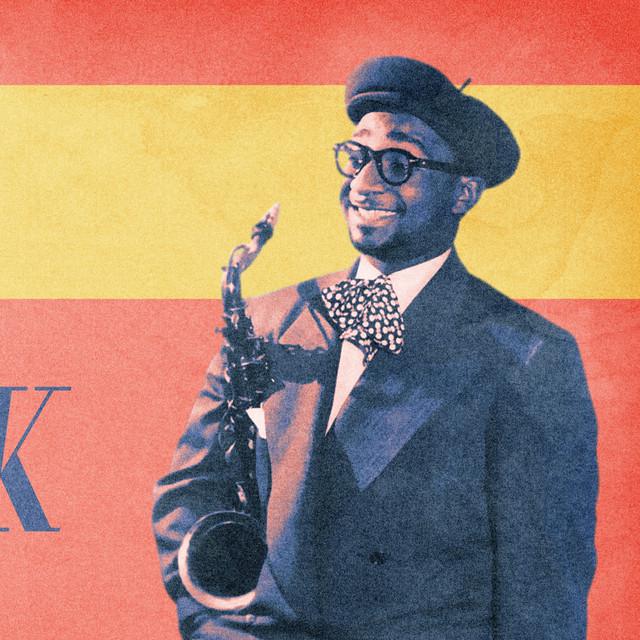
Jack McVea

Blues
Classic Blues
Jazz Fusion
 Viberate Rank: 513353
 Viberate Rank: 513353
 Monthly ListenersFollowers
 Subscribers
 Followers
 Followers
 FansTop Spotify Songs
| Track | 7-Day Streams | |
|---|---|---|
1 | 367 | |
2 | 367 | |
3 | 193 | |
4 | 193 | |
5 | 142 |
Top YouTube VideosMonthly ListenersFeatured in Playlists| Playlist | Followers | |
|---|---|---|
1 |  Mafia 2 - Game Soundtrack vstmn | 33.77K |
2 |  1930s, 1940s Pop Songs Jeff Lyons | 17.97K |
3 | Mafia 2 soundtrack dromedarbergen | 17.00K |
4 |  Green Book Soundtrack Brandon Marlo | 13.13K |
5 | Mafia 2 Soundtrack (Spotify Stop Deleting Pls, enough) mehmetsapmaz | 8.02K |
Audience| City | Monthly Listeners | |
|---|---|---|
1 |  | 42 |
2 |  | 41 |
3 |  | 40 |
4 |  | 37 |
5 | | 37 |
See full performance history, audience data, playlist activity, rankings, comparisons, and more in Viberate music analytics. Start with a free trial, then continue with a paid plan.
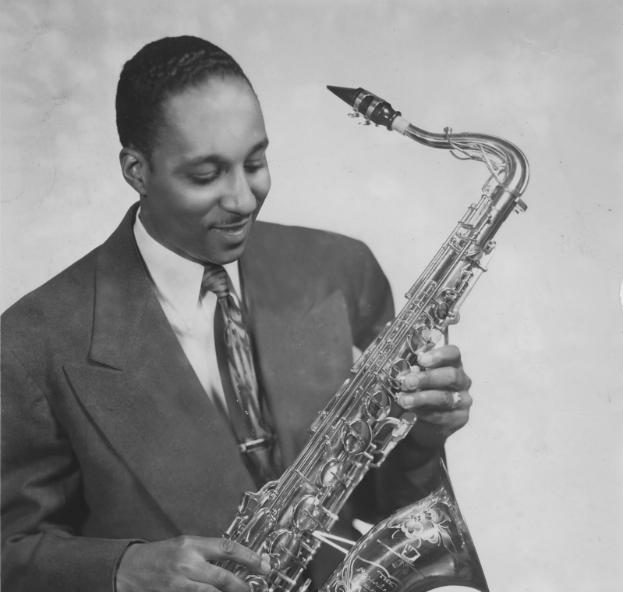
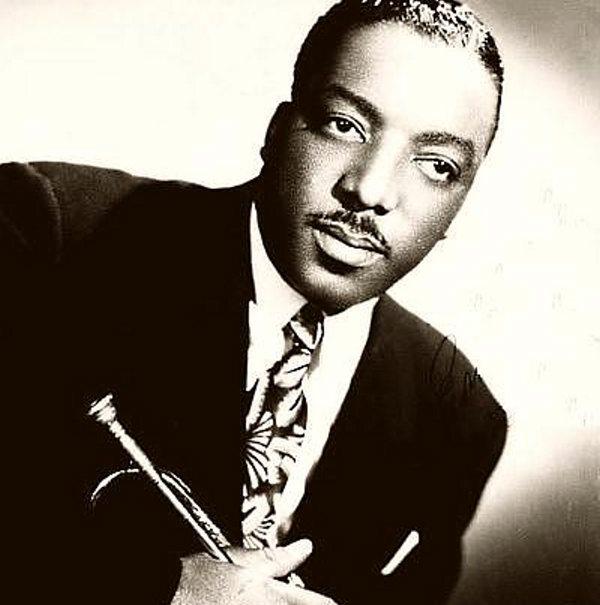
Jack McVea’s Spotify BioJack McVea will always be most famous for his big hit "Open the Door, Richard." Although associated with the R&B world due to that 1946 bestseller, McVea was actually a swing stylist whose fairly mellow sound was a major contrast to the honking tenors of the time. He started out playing banjo as a youth (1925-27) before switching to alto. McVea began playing professionally with his father (banjoist Satchel McVea), Dootise Williams' Harlem Dukes (1932), Charlie Echols (1934-35), Claude Kennedy, Edyth Turnham, Cee Pee Johnson and Eddie Barefield (1936). McVea mostly gigged in the Los Angeles area until joining Lionel Hampton in 1940 as a baritonist. He was with Hamp for three years and played with Snub Mosley, but McVea made a much stronger impression when he played on the first Jazz at the Philharmonic Concert. From 1944 on, McVea led his own group most of the time. He appeared on a Slim Gaillard record date in 1945 that included Dizzy Gillespie and Charlie Parker and was quite popular… from 1946-48 after "Open the Door, Richard" became a novelty hit. In the 1950s McVea had a lower profile, continuing to lead his own combo in the Los Angeles area and gigging with Benny Carter in 1956. McVea recorded as a leader for Rhythm, Melodisc, Apollo, Black & White and Exclusive from 1945-47 and for Combo and Ace from 1953-55. He also recorded a jazz album for 77 in 1962. From 1966 until the mid-1980s, McVea led a Dixieland-oriented trio at Disneyland, playing clarinet exclusively. When the Disneyland job ended, he retired from music. Jack McVea died in Los Angeles on December 27, 2000. ~ Scott Yanow, Rovi
Viberate is a music analytics platform built for A&Rs, artist managers, labels, booking agents, marketers, and artists.
It helps music professionals track artist growth, analyze audience data, monitor playlist activity, compare artists, follow song performance, and identify opportunities across the music market.
Public artist pages provide a free preview of selected artist data. Paid plans provide access to deeper analytics, historical data, charts, comparisons, playlist tools, exports, alerts, reports, and additional professional features.
Yes. Public Viberate artist pages provide selected artist analytics and music data for free.
Viberate also offers a 7-day free trial of the full platform. A credit card is required to start the trial. The trial includes access to the complete product so users can test deeper artist analytics, historical views, playlist insights, comparisons, charts, exports, alerts, and reporting features before choosing a paid plan.
Viberate provides artist analytics across streaming, playlists, social media, video, radio airplay, songs, and audience markets.
Users can analyze Spotify performance, Spotify and Apple Music playlists, YouTube activity, TikTok and Instagram growth, radio spins, song performance, audience locations, demographics, rankings, and overall artist momentum.
Artist profiles also connect to music charts, similar artists, and comparison tools, helping users benchmark performance and evaluate artists in context.
Viberate updates key artist and track data daily.
For followed artists and tracks, selected data is refreshed multiple times per day. This helps teams monitor playlist changes, streaming movement, audience growth, releases, and campaign performance with more current data.
Update frequency can vary depending on the metric and data source.
Yes. Viberate lets users compare up to five artists side by side across streaming, social media, audience, and engagement metrics.
Users can compare fanbase growth, audience demographics, locations, Spotify performance, social metrics, and other artist data over selected time periods.
Artist comparison can be used for A&R scouting, benchmarking, booking decisions, campaign planning, and evaluating artists with similar audiences or market positions.