Brian Chippendale

Rock
Alternative Rock
Noise Rock
 Viberate Rank: 160438
 Viberate Rank: 160438
 Monthly ListenersFollowers
 Subscribers
 Followers
 Followers
 FansTop Spotify Songs
| Track | 7-Day Streams | |
|---|---|---|
1 | 227 | |
2 | 180 | |
3 | 162 | |
4 | 120 | |
5 | 87 |
Top YouTube VideosMonthly ListenersFeatured in Playlists| Playlist | Followers | |
|---|---|---|
1 |  Letterkenny Complete Soundtrack Dana Libhart | 46.91K |
2 |  PlayStation Music Editor Picks PlayStation®️ | 9.28K |
3 |  songs to eat glass to Machine Girl | 8.89K |
4 | TND Fav Tracks 2020 tndausten | 8.12K |
5 |  Noise Rock Timothy Walschaerts | 8.03K |
Audience| City | Monthly Listeners | |
|---|---|---|
1 | | 45 |
2 | | 44 |
3 | | 32 |
4 |  | 31 |
5 | | 26 |
See full performance history, audience data, playlist activity, rankings, comparisons, and more in Viberate music analytics. Start with a free trial, then continue with a paid plan.
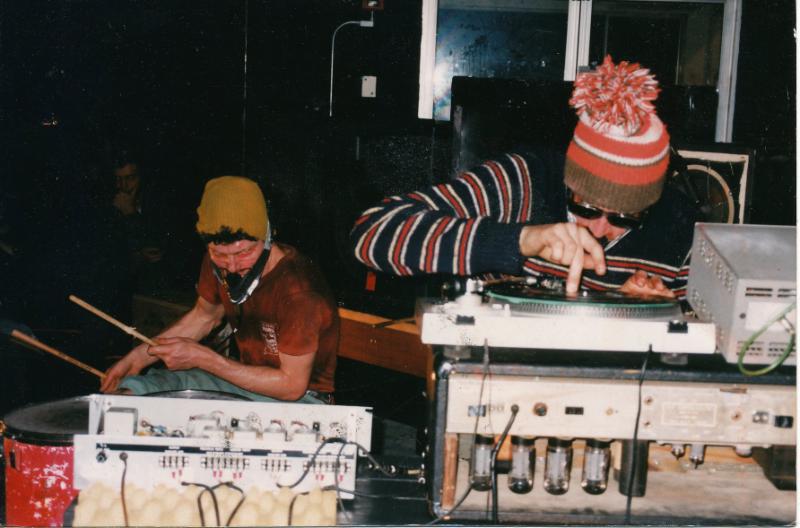
Brian Chippendale’s Spotify BioBlack Pus is the even noisier and more intense solo project of Lightning Bolt drummer and visual artist Brian Chippendale. The project started out as a home-recording experiment while Lightning Bolt was already in a full-swing mode of activity in the mid-2000s, but allowed an outlet for Chippendale's surplus of uncontainable and unruly sounds. Black Pus operates intermittently, with early lo-fi recordings giving way to full-length albums like 2024's Thrill Jockey-released Terrestrial Seethings.
Black Pus began in 2005 with Chippendale recording at home and layering his frenetic drum style with multi-tracks of free jazz saxophone. The end result of these recordings was a series of Black Pus CD-R releases beginning in early 2006. While still dedicating a good deal of his time to touring and recording with Lightning Bolt, Chippendale began working more on the Black Pus project, eventually playing live shows and issuing several smaller-scale releases. By 2011, Chippendale had refined his… approach to playing solo and dropped the jazz-based instrumentation, opting instead to complement his bombastic drumming and garbled vocal style with drum-mounted electronics that produced dark and noisy frequencies. The first proper full-length, Primordial Pus, employed this new sound and was released in 2011 on Providence, Rhode Island label Load Records. Chippendale followed in 2013 with All My Relations, the most well-produced document of his often caustic sounds to date, released this time on Thrill Jockey Records. The following year, Black Pus released a split LP with Chicago thrash/noise metal band Oozing Wound, as well as an LP reissue of a 2012 limited tour-only release Pus Mortem. As the 2020s dawned, more sounds from the Black Pus archives were reissued in wider-scale formats, and Chippendale also collaborated with Ty Segall under the Wasted Shirt moniker. In 2024, a new set of Black Pus material emerged in the form of the full-length Terrestrial Seethings. The album, released once more with Thrill Jockey, returned to Chippendale's early approach to the project, mixing ragged improvisation with layered overdubs, heavy on bassy keyboard lines, blasting drums, and hypnotic repetition. ~ Fred Thomas, Rovi
Viberate is a music analytics platform built for A&Rs, artist managers, labels, booking agents, marketers, and artists.
It helps music professionals track artist growth, analyze audience data, monitor playlist activity, compare artists, follow song performance, and identify opportunities across the music market.
Public artist pages provide a free preview of selected artist data. Paid plans provide access to deeper analytics, historical data, charts, comparisons, playlist tools, exports, alerts, reports, and additional professional features.
Yes. Public Viberate artist pages provide selected artist analytics and music data for free.
Viberate also offers a 7-day free trial of the full platform. A credit card is required to start the trial. The trial includes access to the complete product so users can test deeper artist analytics, historical views, playlist insights, comparisons, charts, exports, alerts, and reporting features before choosing a paid plan.
Viberate provides artist analytics across streaming, playlists, social media, video, radio airplay, songs, and audience markets.
Users can analyze Spotify performance, Spotify and Apple Music playlists, YouTube activity, TikTok and Instagram growth, radio spins, song performance, audience locations, demographics, rankings, and overall artist momentum.
Artist profiles also connect to music charts, similar artists, and comparison tools, helping users benchmark performance and evaluate artists in context.
Viberate updates key artist and track data daily.
For followed artists and tracks, selected data is refreshed multiple times per day. This helps teams monitor playlist changes, streaming movement, audience growth, releases, and campaign performance with more current data.
Update frequency can vary depending on the metric and data source.
Yes. Viberate lets users compare up to five artists side by side across streaming, social media, audience, and engagement metrics.
Users can compare fanbase growth, audience demographics, locations, Spotify performance, social metrics, and other artist data over selected time periods.
Artist comparison can be used for A&R scouting, benchmarking, booking decisions, campaign planning, and evaluating artists with similar audiences or market positions.