Dope Body

Punk
Punk Rock
Noise Rock
 Viberate Rank: 296086
 Viberate Rank: 296086
 Monthly ListenersFollowers
 Subscribers
 Followers
 Followers
 FansTop Spotify Songs
| Track | 7-Day Streams | |
|---|---|---|
1 | 833 | |
2 | 144 | |
3 | 141 | |
4 | 104 | |
5 | 53 |
Top YouTube VideosMonthly ListenersFeatured in Playlists| Playlist | Followers | |
|---|---|---|
1 | alt-J's Collective Memory alt-J | 9.29K |
2 |  New And Fresh Apollo | 8.75K |
3 |  The Sound of Noise Rock The Sounds of Spotify | 6.06K |
4 | Primavera Sound 2013 Primavera Sound Festival | 4.84K |
5 |  Thrasher Magazine Luis Alberto Morales | 4.17K |
Audience| City | Monthly Listeners | |
|---|---|---|
1 | | 71 |
2 | | 55 |
3 |  | 51 |
4 |  | 49 |
5 | | 46 |
See full performance history, audience data, playlist activity, rankings, comparisons, and more in Viberate music analytics. Start with a free trial, then continue with a paid plan.
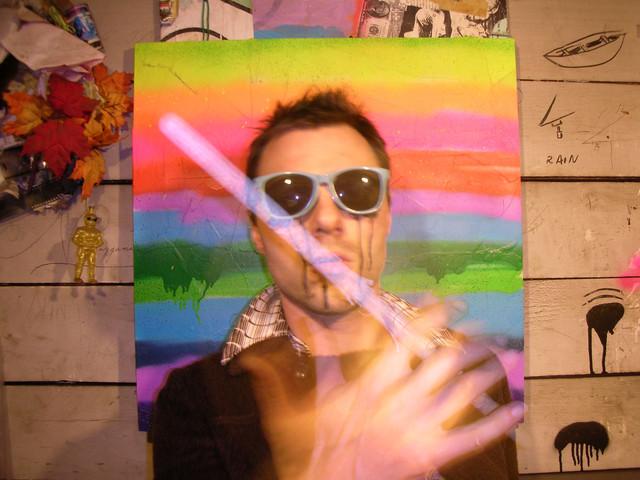
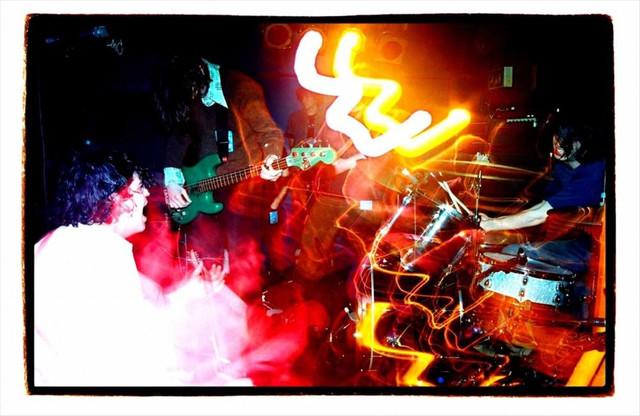
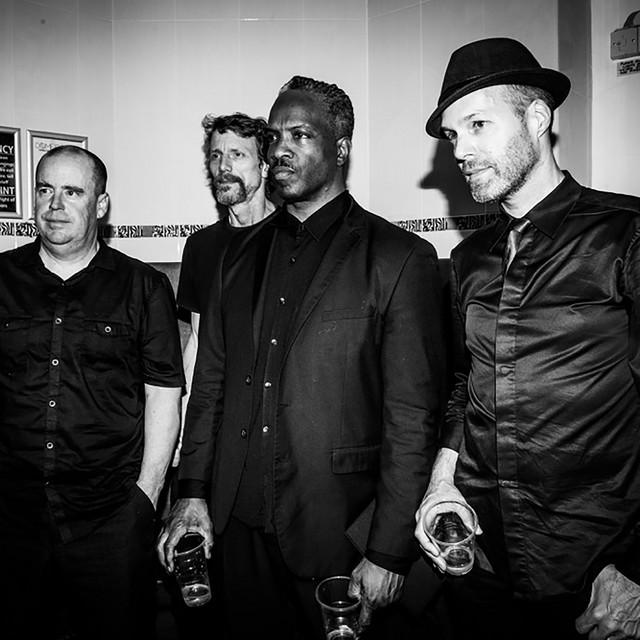
Dope Body’s Spotify BioA frenzied convergence of post-punk danceability and noise rock abrasiveness, Dope Body's sound straddles that fine line between a tightly packed dancefloor and a mosh pit. Evoking some kind of fantasy world where the Jesus Lizard cover Gang of Four while playing through a blown-out PA system, the Baltimore, Maryland quartet ran their influences through a sonic blender on albums like 2012's Natural History. After briefly breaking up in 2016, the band reunited for a few shows in 2019 and were back with a new studio album, Crack a Light, by 2020.
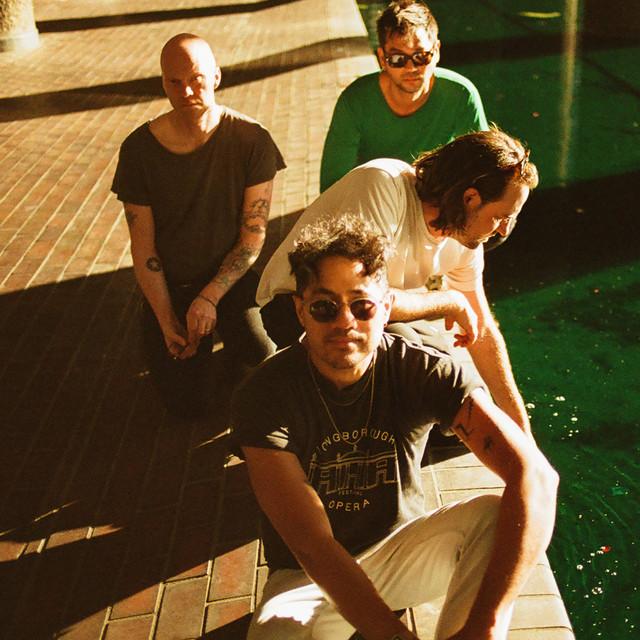
Dope Body formed in 2008, made up of bandmates Andrew Laumann, David Jacober, Zachary Utz, and John Jones. They initially intended to play only one show, but the group chemistry was so strong they quickly decided to invest more time in the project. The band released an impressive amount of material in a short time, starting with the 2009 EP 20 Pound Brick, which was released on Watercolor. They followed up with the split EP (on Orphan) Self… Entitled through Black Tent Press in 2010 before making their full-length debut the following year with Nupping. Dope Body's years of basement and eardrum destruction eventually paid off in 2012 when they hooked up with indie giant Drag City to release their second full-length, Natural History. After relentless touring, the group returned in 2014 with Lifer. They recorded a wealth of material for the album. Deciding that much of it was too good to abandon, the band did some editing and a little extra recording, but otherwise compiled 2015's Kunk from Lifer's inspired leftovers. Preceded by the single "Old Grey" in June, the album was released two months later.
In April 2016, Dope Body announced they would be breaking up after playing a few farewell shows in Baltimore. Afterwards, the members of the band focused on individual side projects and non-musical creative pursuits for a time, but they regrouped in 2019 for some reunion shows. After these shows went well, the group got back into full swing, quickly releasing the lo-fi, mixtape-like album Home Body in May 2020. Recorded and mixed quickly during the quarantines brought on by the COVID-19 pandemic, Home Body's frenzied sounds often centered around themes of isolation and restlessness. Before the year was up, Dope Body returned with Crack a Light, their second album-length release after reuniting. The record arrived in October 2020 on Drag City. ~ Gregory Heaney & Fred Thomas, Rovi
Viberate is a music analytics platform built for A&Rs, artist managers, labels, booking agents, marketers, and artists.
It helps music professionals track artist growth, analyze audience data, monitor playlist activity, compare artists, follow song performance, and identify opportunities across the music market.
Public artist pages provide a free preview of selected artist data. Paid plans provide access to deeper analytics, historical data, charts, comparisons, playlist tools, exports, alerts, reports, and additional professional features.
Yes. Public Viberate artist pages provide selected artist analytics and music data for free.
Viberate also offers a 7-day free trial of the full platform. A credit card is required to start the trial. The trial includes access to the complete product so users can test deeper artist analytics, historical views, playlist insights, comparisons, charts, exports, alerts, and reporting features before choosing a paid plan.
Viberate provides artist analytics across streaming, playlists, social media, video, radio airplay, songs, and audience markets.
Users can analyze Spotify performance, Spotify and Apple Music playlists, YouTube activity, TikTok and Instagram growth, radio spins, song performance, audience locations, demographics, rankings, and overall artist momentum.
Artist profiles also connect to music charts, similar artists, and comparison tools, helping users benchmark performance and evaluate artists in context.
Viberate updates key artist and track data daily.
For followed artists and tracks, selected data is refreshed multiple times per day. This helps teams monitor playlist changes, streaming movement, audience growth, releases, and campaign performance with more current data.
Update frequency can vary depending on the metric and data source.
Yes. Viberate lets users compare up to five artists side by side across streaming, social media, audience, and engagement metrics.
Users can compare fanbase growth, audience demographics, locations, Spotify performance, social metrics, and other artist data over selected time periods.
Artist comparison can be used for A&R scouting, benchmarking, booking decisions, campaign planning, and evaluating artists with similar audiences or market positions.