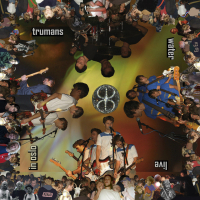
Old Time Relijun

Rock
Indie Rock
Noise Rock
 Viberate Rank: 319017
 Viberate Rank: 319017
 Monthly ListenersFollowers
 Subscribers
 Followers
 Followers
 FansTop Spotify Songs
| Track | 7-Day Streams | |
|---|---|---|
1 | 159 | |
2 | 60 | |
3 | 49 | |
4 | 42 | |
5 | 32 |
Top YouTube VideosMonthly ListenersFeatured in Playlists| Playlist | Followers | |
|---|---|---|
1 |  Being Marcus Parks Last Podcast Network | 6.61K |
2 |  Off Your Face anton newcombe | 5.86K |
3 |  The 100 Best Songs of 2007 Pitchfork | 5.78K |
4 |  WFMU's Heavily Played Records - 2020s Edition WFMU | 1.93K |
5 |  JAZZCORE° O.S.D | 1.70K |
Audience| City | Monthly Listeners | |
|---|---|---|
1 | | 27 |
2 | | 26 |
3 | | 25 |
4 | | 21 |
5 | | 19 |
See full performance history, audience data, playlist activity, rankings, comparisons, and more in Viberate music analytics. Start with a free trial, then continue with a paid plan.
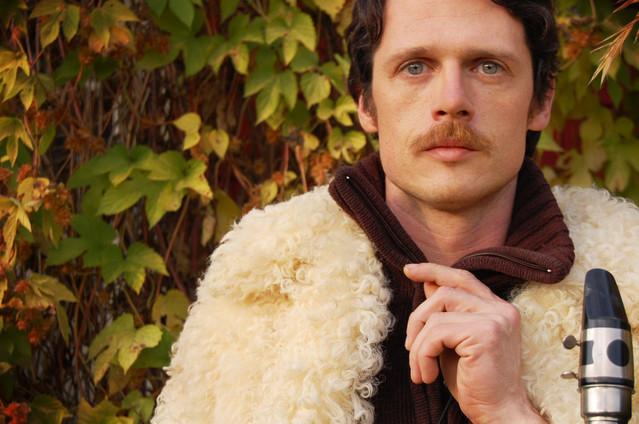
Old Time Relijun’s Spotify BioPart of the K Records family, Olympia's Old Time Relijun grew throughout the '90s and 2000s from rusty, deranged garage stomp into a more refined but no less explosive sound that drew on international influences. Centered around bandleader Arrington de Dionyso, the prolific band reached a fever pitch with a trilogy of albums released between 2004 and 2007: Lost Light, 2012, and Catharsis in Crisis. After these albums, the group went on an unofficial hiatus until the release of their 2019 album, See Now and Know.
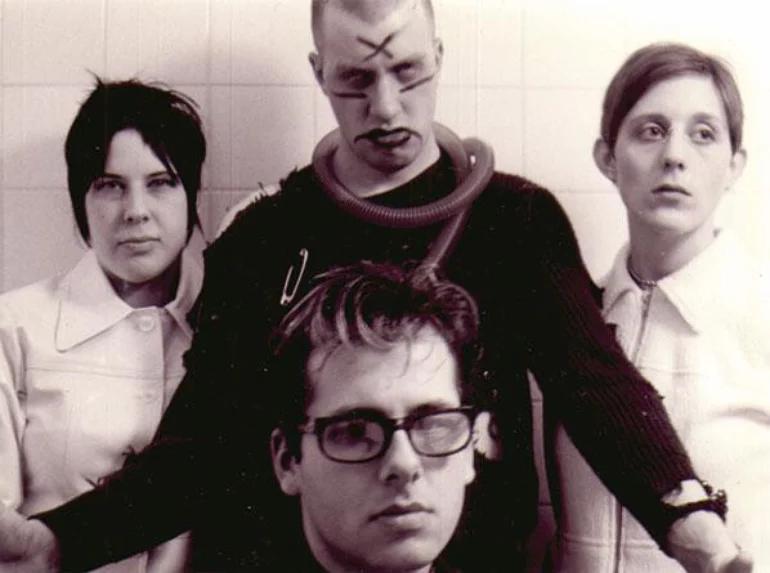
Between 1989 and 1995, musician Arrington de Dionyso recorded nine cassettes of homemade music on his four-track recorder, releasing each one on his own label, Pine Cone Alley. De Dionyso played the lion's share of the instruments on all of the cassettes, which he then gave to friends and sold through tape trade reviews. A buzz began to circulate in de Dionyso's hometown of Olympia, Washington, during the early '90s about the releases, and he was encouraged by bassist Aaron… Hartman and drummer Bryce Panic to put Old Time Relijun together to perform the music live. The group added percussionist Fezdak Water shortly thereafter, but then he left within a year due to artistic differences.
The remaining trio recorded Songbook, Vol. 1 in November 1996 and released it in April 1997 on Pine Cone Alley. K Records began distributing the CD, and the record received extensive critical praise. Following the release, Old Time Relijun were featured on various compilations throughout 1997, including Selector Dub Narcotic and Cha Cha Cabaret on K, KAOS Radio on Cottleston Pie Records, and Overboard on YoYo Records. While the band could be heard on those compilations that year, the group itself was inactive. Panic decided to stop performing music, sold his drums, and left for India to study meditation.
De Dionyso decided to revive Old Time Relijun in 1998 without the aide of Panic or Hartman. Drummer Phil Elvrum (who would later record as the Microphones/Mount Eerie) joined the band and also began producing all of the group's material. Performing as a duo, Old Time Relijun proceeded to record the 1998 single Jail/Office Building. Calvin Johnson, owner of K Records, heard of the band's re-formation, as well as their new material, and encouraged them to release their new 7", as well as all subsequent recordings, on his label.
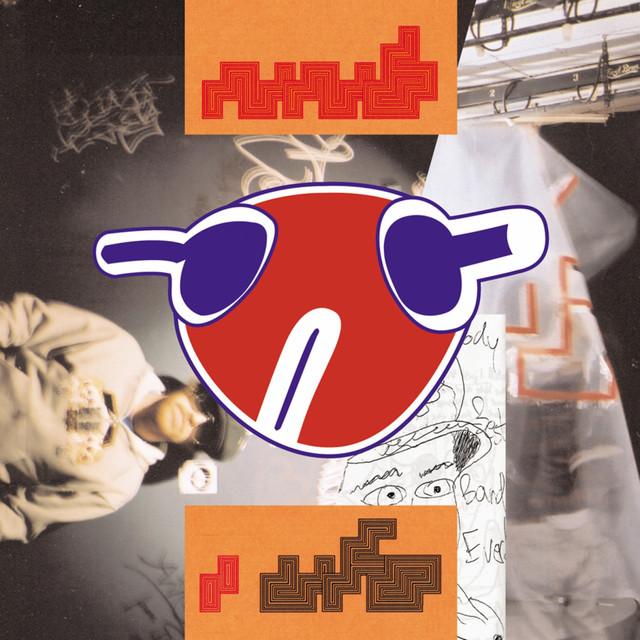
Hartman returned as the group's bassist in 1999, and the trio recorded Uterus and Fire, their first full-length record for K. The band followed that release with the 2000 album La Sirena de Pecera. As if they could tailor noise rock just so, 2001's Witchcraft Rebellion did just that. Two years later, compilaton album Varieties of Religious Experience was released, collecting some of de Dionyso's early home recordings and other odditites. The more artsy design of Lost Light arrived in spring 2004, while the futuristically named 2012 came out a year later -- both a part of the "The Lost Light Trilogy" that de Dionyso envisioned. The final installment of the trilogy, Catharsis in Crisis, was released in 2007, with new members Benjamin Hartman (saxophones) and Germaine Baca (drums). The band toured extensively in support of this hot streak of albums and then things slowed significantly.
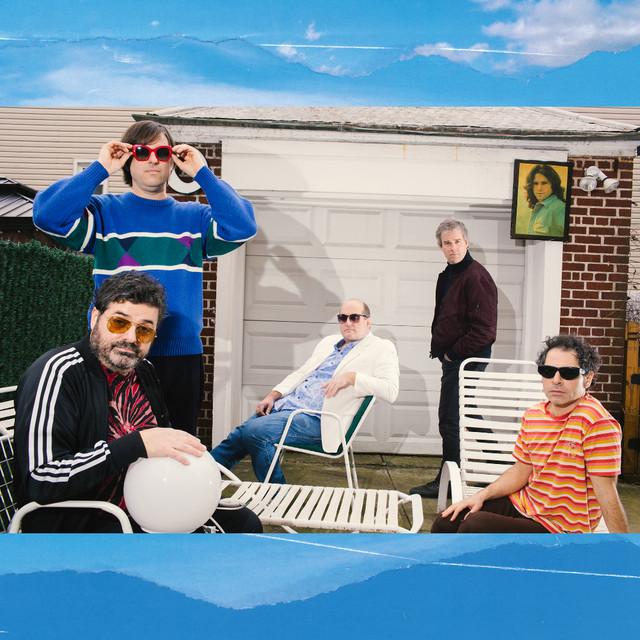
De Dionyso released a series of solo albums, but a 2010 reissue of the group's 1997 album, Songbook, Vol. 1, was the only output from Old Time Relijun for the ten years that followed Catharsis in Crisis. Their silence broke in 2018 when the band announced they had been recording new material and would release a new album and tour again in 2019. Their eighth album, the self-produced See Now and Know, was slated for a spring 2019 release on K Records. ~ Stephen Howell, Rovi
Viberate is a music analytics platform built for A&Rs, artist managers, labels, booking agents, marketers, and artists.
It helps music professionals track artist growth, analyze audience data, monitor playlist activity, compare artists, follow song performance, and identify opportunities across the music market.
Public artist pages provide a free preview of selected artist data. Paid plans provide access to deeper analytics, historical data, charts, comparisons, playlist tools, exports, alerts, reports, and additional professional features.
Yes. Public Viberate artist pages provide selected artist analytics and music data for free.
Viberate also offers a 7-day free trial of the full platform. A credit card is required to start the trial. The trial includes access to the complete product so users can test deeper artist analytics, historical views, playlist insights, comparisons, charts, exports, alerts, and reporting features before choosing a paid plan.
Viberate provides artist analytics across streaming, playlists, social media, video, radio airplay, songs, and audience markets.
Users can analyze Spotify performance, Spotify and Apple Music playlists, YouTube activity, TikTok and Instagram growth, radio spins, song performance, audience locations, demographics, rankings, and overall artist momentum.
Artist profiles also connect to music charts, similar artists, and comparison tools, helping users benchmark performance and evaluate artists in context.
Viberate updates key artist and track data daily.
For followed artists and tracks, selected data is refreshed multiple times per day. This helps teams monitor playlist changes, streaming movement, audience growth, releases, and campaign performance with more current data.
Update frequency can vary depending on the metric and data source.
Yes. Viberate lets users compare up to five artists side by side across streaming, social media, audience, and engagement metrics.
Users can compare fanbase growth, audience demographics, locations, Spotify performance, social metrics, and other artist data over selected time periods.
Artist comparison can be used for A&R scouting, benchmarking, booking decisions, campaign planning, and evaluating artists with similar audiences or market positions.