Boys Don't Cry

Rock
Pop Rock
Dance
 Viberate Rank: 126623
 Viberate Rank: 126623
 Monthly ListenersFollowers
 Subscribers
 Followers
 Followers
 FansTop Spotify Songs
| Track | 7-Day Streams | |
|---|---|---|
1 | 17.99K | |
2 | 1.96K | |
3 | 1.93K | |
4 | 264 | |
5 | 118 |
Top YouTube VideosMonthly ListenersFeatured in Playlists| Playlist | Followers | |
|---|---|---|
1 |  80s New Wave & Alternative Troy @ TavernTails | 194.42K |
2 | 80's 12" & Extended Remixes enigma804 | 47.02K |
3 | New Wave 80's lakers1980 | 41.51K |
4 | New Wave / Synthpop / Early Alternative - 80s, late 70s, early 90s dachweiler | 27.63K |
5 |  New Wave Mixtape Mirrorgate Media | 15.05K |
Audience| City | Monthly Listeners | |
|---|---|---|
1 |  | 1.47K |
2 | | 1.26K |
3 | | 1.16K |
4 | | 1.08K |
5 | | 1.07K |
See full performance history, audience data, playlist activity, rankings, comparisons, and more in Viberate music analytics. Start with a free trial, then continue with a paid plan.
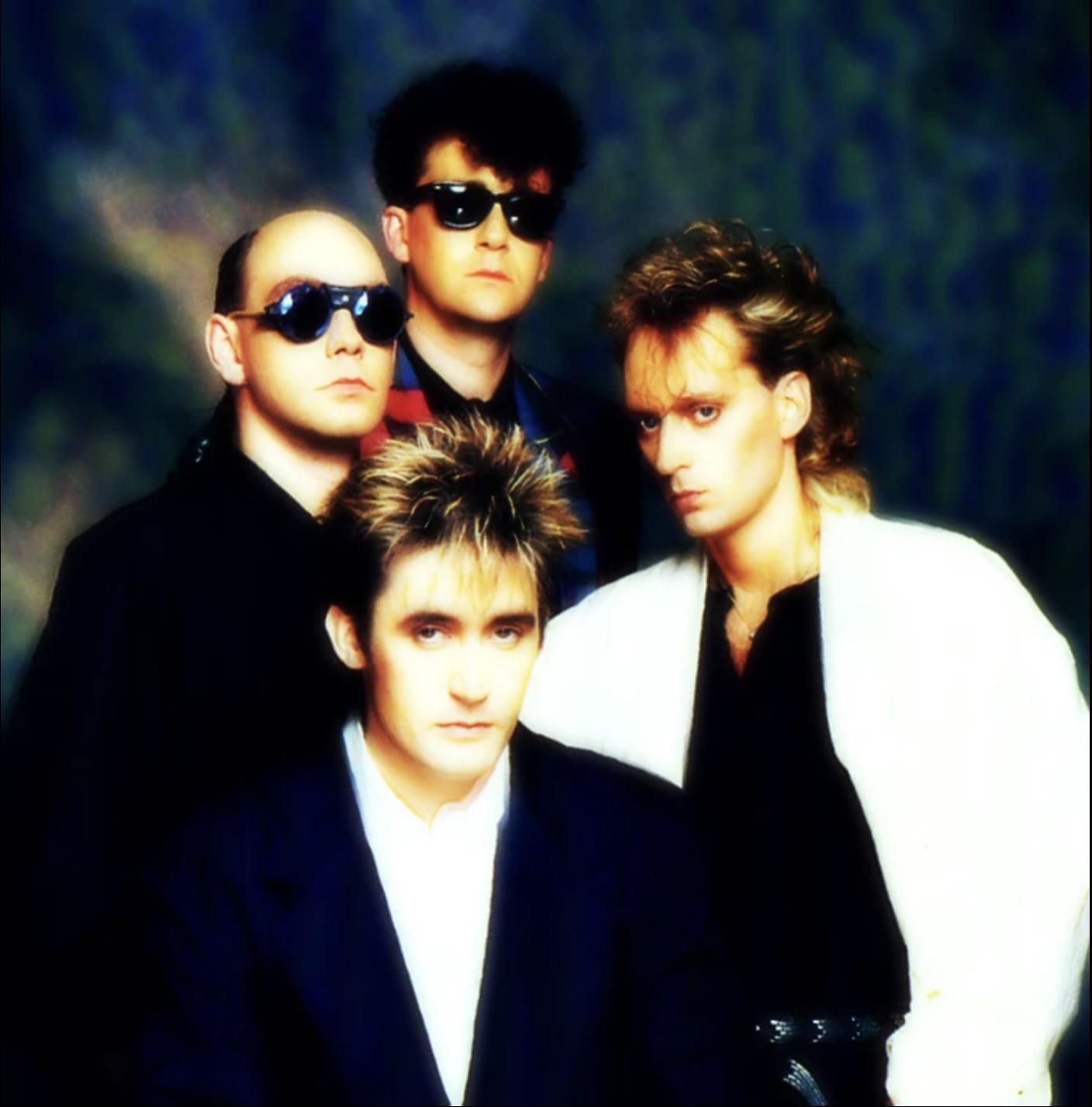
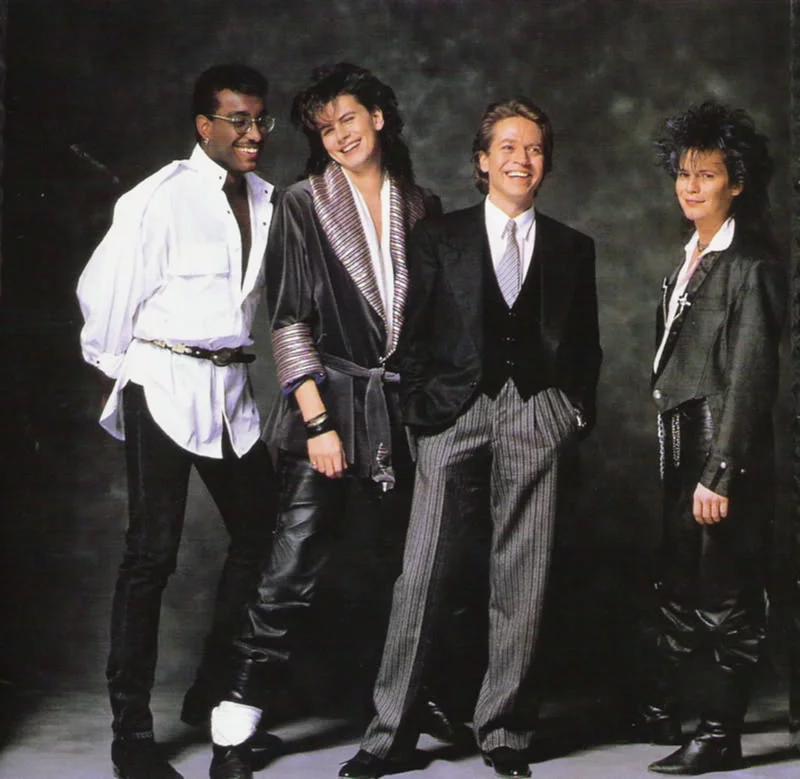
Boys Don't Cry’s Spotify BioNick Richards, recruited Brian Chatton, Nico Ramsden, Mark Smith and Jeff Seopardi to be in the band . With unlimited studio time owing to Richards’ ownership of the Maison Rouge recording studios in london , their recording career began in 1983 with ‘Heart’s Bin Broken’. They signed to US label Profile Records in the mid-80s and secured an immediate hit single with ‘I Wanna Be A Cowboy’. With a video featuring Motörhead’s Lemmy, it reached number 12 in the US charts in 1986. it was the first indie single to chart at billboard for 17 years. ‘ Cities On fire, failed to repeat its success., though the album did well , reaching #55 on the hot 100. Following that the group then switched labels to Atlantic Records. the band released who the am dam in 1987 which did well in the u.k but not in the states . drummers cozy powell and phil collins replaced jeff seopardi on the album.
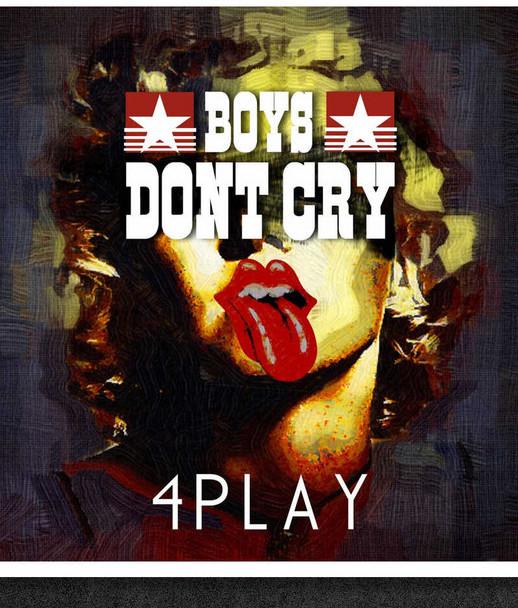
nick richards has now revived the band name and is part of the lost 80s live tour ,which is in it's 25th year. BDC… released a come back album titled 4PLAY in 2025 and the song DON,T CALL ME A COUNTRY SINGER was nominated for a grammy. all the songs were written by original writers chatton and richards.
on a sad note, bass player mark smith passed away in 2009. he was just 49 years old.
nick richards has now created a new record label called HEADGAMES.
the boys don't cry catalogue has been re mastered and re launched on the new label .
Viberate is a music analytics platform built for A&Rs, artist managers, labels, booking agents, marketers, and artists.
It helps music professionals track artist growth, analyze audience data, monitor playlist activity, compare artists, follow song performance, and identify opportunities across the music market.
Public artist pages provide a free preview of selected artist data. Paid plans provide access to deeper analytics, historical data, charts, comparisons, playlist tools, exports, alerts, reports, and additional professional features.
Yes. Public Viberate artist pages provide selected artist analytics and music data for free.
Viberate also offers a 7-day free trial of the full platform. A credit card is required to start the trial. The trial includes access to the complete product so users can test deeper artist analytics, historical views, playlist insights, comparisons, charts, exports, alerts, and reporting features before choosing a paid plan.
Viberate provides artist analytics across streaming, playlists, social media, video, radio airplay, songs, and audience markets.
Users can analyze Spotify performance, Spotify and Apple Music playlists, YouTube activity, TikTok and Instagram growth, radio spins, song performance, audience locations, demographics, rankings, and overall artist momentum.
Artist profiles also connect to music charts, similar artists, and comparison tools, helping users benchmark performance and evaluate artists in context.
Viberate updates key artist and track data daily.
For followed artists and tracks, selected data is refreshed multiple times per day. This helps teams monitor playlist changes, streaming movement, audience growth, releases, and campaign performance with more current data.
Update frequency can vary depending on the metric and data source.
Yes. Viberate lets users compare up to five artists side by side across streaming, social media, audience, and engagement metrics.
Users can compare fanbase growth, audience demographics, locations, Spotify performance, social metrics, and other artist data over selected time periods.
Artist comparison can be used for A&R scouting, benchmarking, booking decisions, campaign planning, and evaluating artists with similar audiences or market positions.