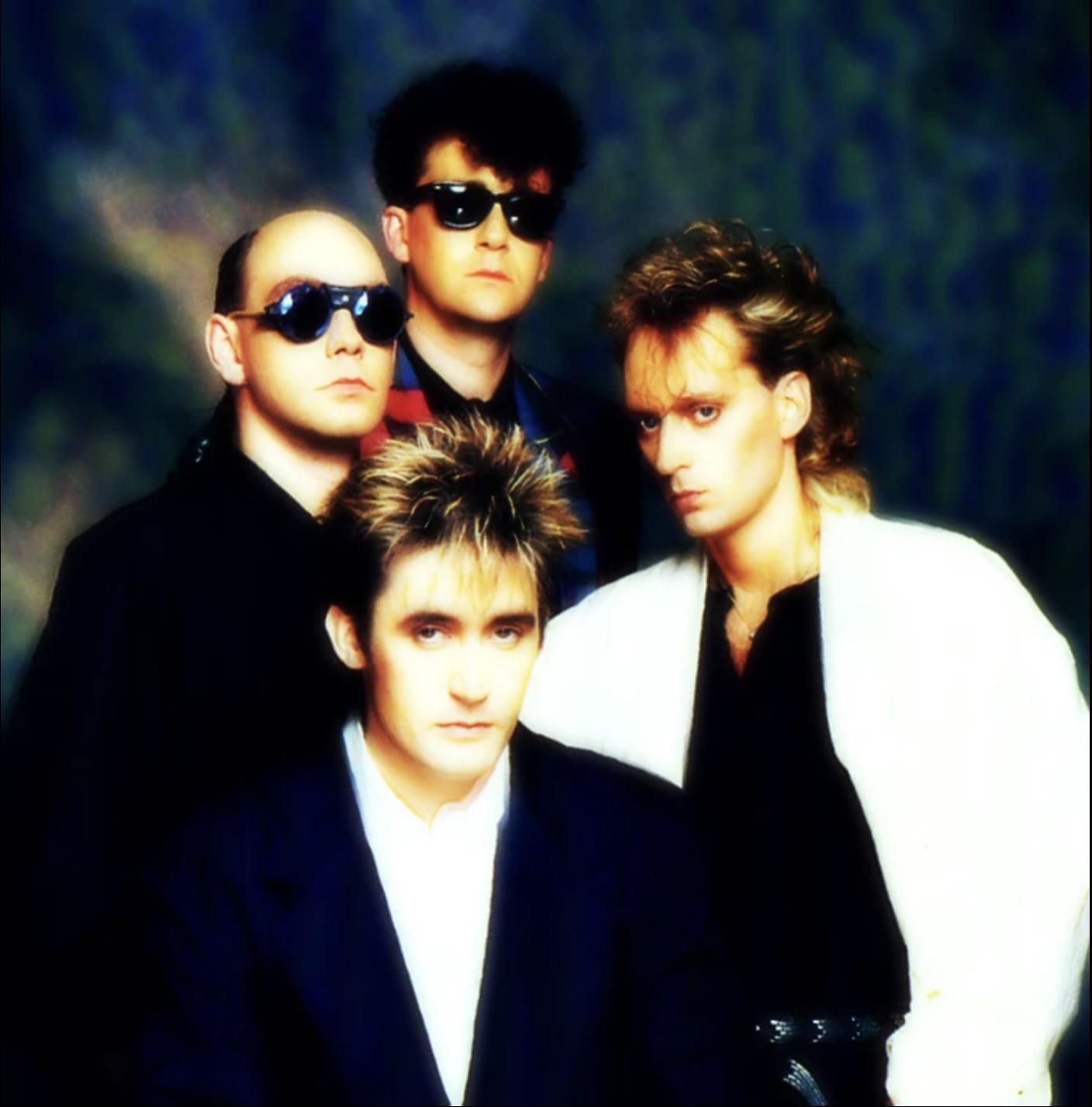
Romeo Void

Rock
Pop Rock
 Viberate Rank: 87237
 Viberate Rank: 87237
 Monthly ListenersFollowers
 Subscribers
 Followers
 Followers
 FansTop Spotify Songs
| Track | 7-Day Streams | |
|---|---|---|
1 | 40.97K | |
2 | 9.03K | |
3 | 3.71K | |
4 | 2.35K | |
5 | 1.59K |
Top YouTube VideosMonthly ListenersFeatured in Playlists| Playlist | Followers | |
|---|---|---|
1 |  Early Alternative Spotify | 1.28M |
2 | Classic Rock Greatest Hits Scott Pruden | 341.38K |
3 |  Riot Grrrl Spotify | 215.67K |
4 |  80s New Wave & Alternative Troy @ TavernTails | 194.34K |
5 |  GTA Vice City Radio batu_26 | 92.37K |
Audience| City | Monthly Listeners | |
|---|---|---|
1 | | 3.50K |
2 |  | 2.19K |
3 | | 1.83K |
4 | | 1.56K |
5 | | 1.20K |
See full performance history, audience data, playlist activity, rankings, comparisons, and more in Viberate music analytics. Start with a free trial, then continue with a paid plan.
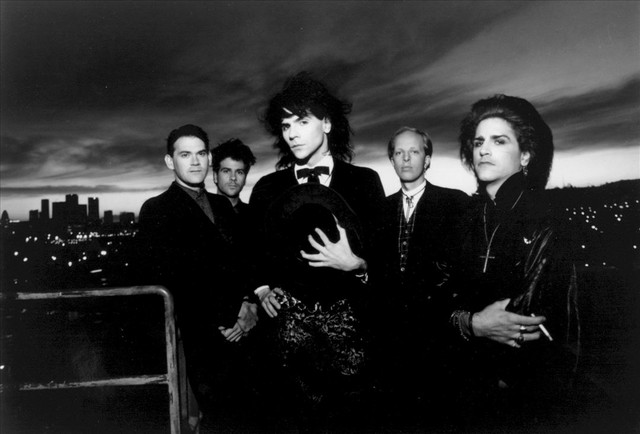
Romeo Void’s Spotify BioThanks to the reductive onslaught of the "'80s party weekend" radio format and the numbing similarity of most '80s hits compilations, hearing the name Romeo Void instantly conjures up the phrase "I might like you better if we slept together" in most minds. The unforgettable chorus of their best-known song, 1981's "Never Say Never," the phrase on its own makes the song sound like some kind of shock-value novelty, and indeed, that's probably how many people remember it. Yet a careful listen to the verses, with their intimations of incest, murder, homelessness, and other dark subjects, makes plain that singer/lyricist Debora Iyall has more on her mind than simple salaciousness. The combination of Iyall's powerful vocals and searing imagery with the band's muscular blend of Joy Division's atmospherics and the Gang of Four's rattling momentum, with Benjamin Bossi's splattering free jazz saxophone coloring everything, made Romeo Void one of the strongest of the American post-punk bands.
Debor…a Iyall, a Native American (from the Cowlitz tribe) born in rural Washington and raised in Fresno, California, moved to San Francisco in the mid-'70s to attend the San Francisco Art Institute. While there, she fell in with fellow students Peter Woods and Jay Derrah, who had formed a tongue-in-cheek '60s revival band called the Mummers and the Poppers. Iyall became the group's singer and also began incorporating music into her own poetry and performance art projects, drafting Frank Zincavage, a sculptor who also played bass and electronic drums, as her work partner. (Zincavage was also a noted graphic designer and photographer; his name and that of his sister, Diane Zincavage, appear in the credits of many San Francisco and Los Angeles indie albums of the era.) Intrigued by the burgeoning local punk and post-punk scenes, which included fellow Art Institute students like Avengers singer Penelope Houston and members of the Mutants and Pearl Harbor & the Explosions, Iyall, Zincavage, Woods, and Derrah formed Romeo Void on Valentine's Day 1979. Iyall has said that the name, meaning "a lack of romance," was inspired by a headline on the cover of a local magazine that read "Why single women can't get laid in San Francisco."
Shortly after the group's formation, original saxophonist Bobby Martin and another local reedsman, Benjamin Bossi, swapped bands, with Martin joining art punk extremists the Offs and Bossi teaming up with Romeo Void. The revised lineup recorded their debut single, "White Sweater," and a cover of Jorgen Ingmann's atmospheric 1961 twang-guitar instrumental hit "Apache," for the new local indie 415 Records in 1980. Before sessions commenced for their first album, 1981's It's a Condition, Derrah left the group, replaced by ex-Explosions drummer John "Stench" Haines. One of the masterpieces of American post-punk, It's a Condition received rave reviews upon its release. Perhaps even more importantly, Cars leader Ric Ocasek heard the album (supposedly, a roadie played it in the Cars' tour bus) and invited the group to his Synchro Sound studio in Boston. The resulting Ocasek-produced EP, Never Say Never, on the back of the enormous dance club and college radio airplay of the single, led directly to 415 Records' ongoing association with Columbia Records (bringing not only Romeo Void but also Red Rockers, Translator, Wire Train, and others to major-label status), who reissued the EP later in 1981 before ushering the group back into the studio to record their next album.
1982's Benefactors kicks off with a less-impressive shortened mix of "Never Say Never," almost completely eliminating Bossi's squalling, Albert Ayler-like solo, fading out before the hypnotic ending and bleeping out a rude word in the second verse. (This is the version the video, an early MTV staple, features.) A denser album than the sparse It's a Condition, Benefactors is nearly the equal of the earlier record, with the hyperactive dance-pop of "Undercover Kept" signaling a new interest in musical directness that would reap commercial benefits on their next album.
Like It's a Condition, that third album, 1984's Instincts, was produced by 415's former house producer David Kahne, but it's far slicker than the debut, a precursor to the ultra-shiny albums Kahne would do with the Bangles over the next couple of years. Although this newly commercialized approach scored the band their only Top 40 hit, "A Girl in Trouble (Is a Temporary Thing)," which Iyall claimed is an answer song to Michael Jackson's "Billie Jean," the album is a disappointment in comparison to the stellar work that had preceded it. By the time of these sessions, Haines had been replaced by former session drummer Aaron Smith, and relations had become strained in the group. Romeo Void broke up in early 1985.
Debora Iyall recorded one solo album, 1986's Strange Language, which continued the commercial tendencies of Instincts, then returned to her previous career as a poet, artist, and teacher. She formed the noise pop duo Knife in Water in the '90s. Benjamin Bossi joined the Ordinaires. Romeo Void reunited for a few benefit shows in 1992 and later that year released a career-summary compilation, Warm in Your Coat, which featured one excellent previously unreleased song, "One Thousand Shadows," recorded as a live demo in late 1984 for a movie soundtrack, but it was never finished. Benjamin Bossi died in Marin County, California on December 13, 2022 from early onset Alzheimer’s disease; he was 69 years of age. ~ Stewart Mason, Rovi
Viberate is a music analytics platform built for A&Rs, artist managers, labels, booking agents, marketers, and artists.
It helps music professionals track artist growth, analyze audience data, monitor playlist activity, compare artists, follow song performance, and identify opportunities across the music market.
Public artist pages provide a free preview of selected artist data. Paid plans provide access to deeper analytics, historical data, charts, comparisons, playlist tools, exports, alerts, reports, and additional professional features.
Yes. Public Viberate artist pages provide selected artist analytics and music data for free.
Viberate also offers a 7-day free trial of the full platform. A credit card is required to start the trial. The trial includes access to the complete product so users can test deeper artist analytics, historical views, playlist insights, comparisons, charts, exports, alerts, and reporting features before choosing a paid plan.
Viberate provides artist analytics across streaming, playlists, social media, video, radio airplay, songs, and audience markets.
Users can analyze Spotify performance, Spotify and Apple Music playlists, YouTube activity, TikTok and Instagram growth, radio spins, song performance, audience locations, demographics, rankings, and overall artist momentum.
Artist profiles also connect to music charts, similar artists, and comparison tools, helping users benchmark performance and evaluate artists in context.
Viberate updates key artist and track data daily.
For followed artists and tracks, selected data is refreshed multiple times per day. This helps teams monitor playlist changes, streaming movement, audience growth, releases, and campaign performance with more current data.
Update frequency can vary depending on the metric and data source.
Yes. Viberate lets users compare up to five artists side by side across streaming, social media, audience, and engagement metrics.
Users can compare fanbase growth, audience demographics, locations, Spotify performance, social metrics, and other artist data over selected time periods.
Artist comparison can be used for A&R scouting, benchmarking, booking decisions, campaign planning, and evaluating artists with similar audiences or market positions.