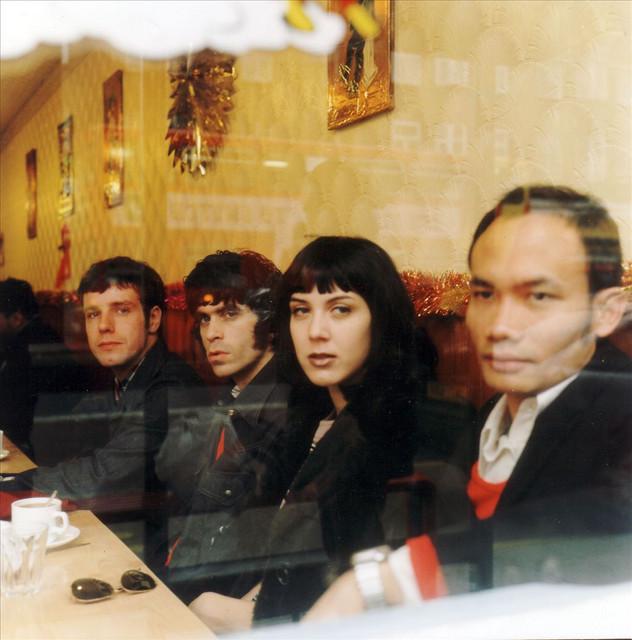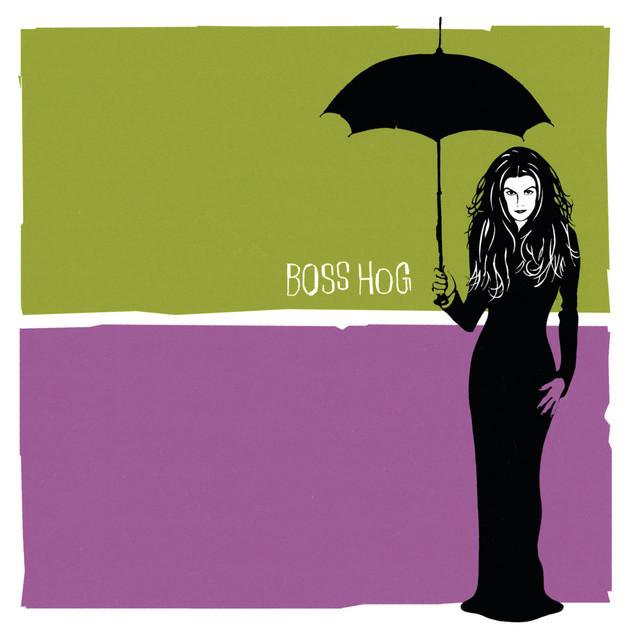
Boss Hog

Punk
Punk Rock
Noise Rock
 Viberate Rank: 223317
 Viberate Rank: 223317
 Monthly ListenersFollowers
 Subscribers
 Followers
 Followers
 FansTop Spotify Songs
| Track | 7-Day Streams | |
|---|---|---|
1 | 706 | |
2 | 476 | |
3 | 326 | |
4 | 232 | |
5 | 165 |
Top YouTube Videos| Video | 7-Day Views | |
|---|---|---|
1 | 179 |
Monthly ListenersFeatured in Playlists| Playlist | Followers | |
|---|---|---|
1 |  90s Indie & Alternative Rock artdelaguerre | 13.13K |
2 |  Daria Soundtrack alfredfrutituti | 5.78K |
3 |  Above the Rim (1994) Motion Picture Soundtrack zer0space | 5.03K |
4 |  Reflektor Viertausendhertz | 4.38K |
5 |  CFCF: The Stuff I Dig CFCF | 4.00K |
Audience| City | Monthly Listeners | |
|---|---|---|
1 |  | 104 |
2 | | 78 |
3 | | 67 |
4 | | 61 |
5 | | 49 |
See full performance history, audience data, playlist activity, rankings, comparisons, and more in Viberate music analytics. Start with a free trial, then continue with a paid plan.
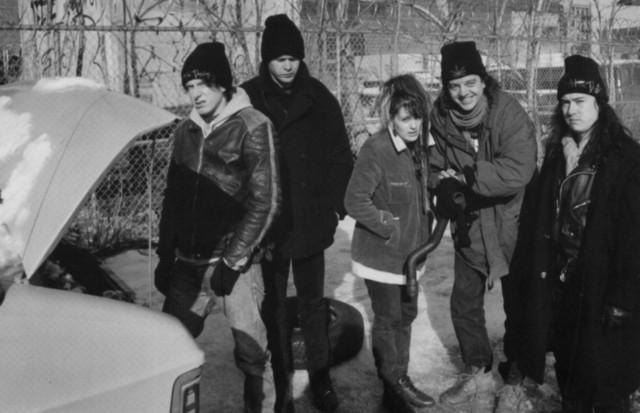
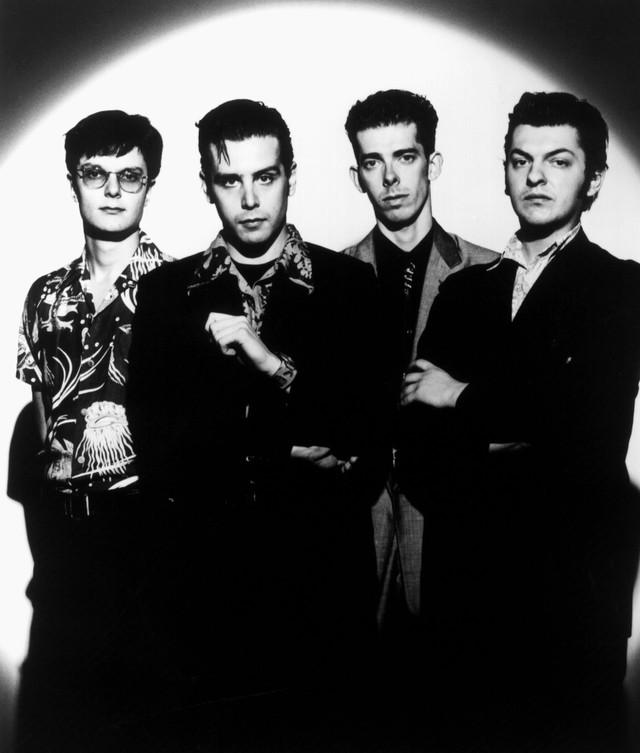
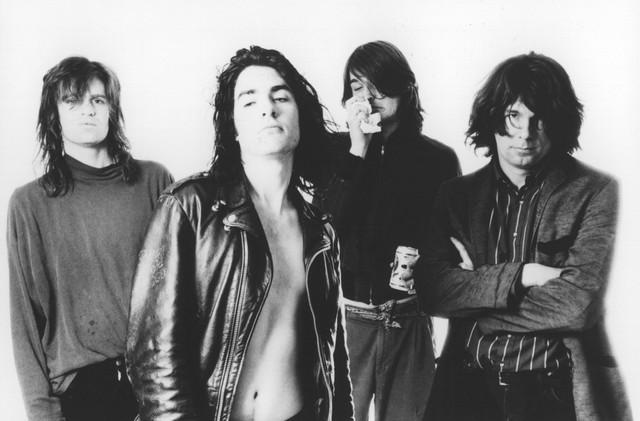
Boss Hog’s Spotify BioAll-star N.Y.C. blues-punk combo Boss Hog was helmed by the husband-and-wife team of singer Cristina Martinez and singer/guitarist Jon Spencer, who'd previously teamed up in the legendary cult band Pussy Galore. The duo formed Boss Hog to fill a last-minute cancellation at the famed CBGB, earning instant notoriety when Martinez performed their debut show au naturel; guitarists Jerry Teel and Kurt Wolf, bassist Pete Shore, and drummer Charlie Ondras completed the lineup for 1989's EP Drinkin', Lechin' & Lyin'. In the wake of 1990's Cold Hands, Spencer formed the Blues Explosion, forcing Boss Hog onto the back burner; by the time the group returned in 1993 with Girl +, only Martinez and Spencer remained from the original lineup, with ex-Swan Jens Jürgensen assuming bass duties and Hollis Queens joining on drums. The record's success in indie circles resulted in a deal with major-label Geffen that yielded a self-titled 1995 LP; little was heard from Boss Hog throughout the remainder of… the decade (although Spencer and Martinez had a baby), but in early 2000 the group finally resurfaced with Whiteout, featuring ex-Goats keyboardist Mark Boyce.
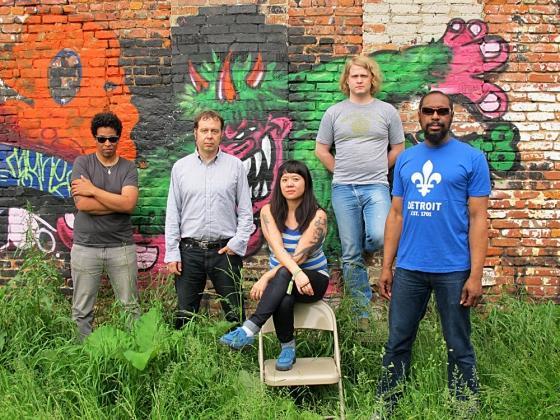
Following the release of Girl Positive Plus in 2001, Boss Hog was quiet on the recording front (despite playing occasional live shows), but Martinez appeared as a guest artist on several albums by the Jon Spencer Blues Explosion, and Martinez and Spencer collaborated on a 2010 album with Solex, Amsterdam Throwdown King Street Showdown! While Boss Hog played a handful of shows in 2008, the band spent the better part of 16 years on hiatus as Martinez looked after her son and worked in the magazine publishing industry. That changed in 2016, when Martinez and Spencer announced that the group had two new recordings ready for release. Boss Hog -- whose lineup now featured Martinez, Spencer, Queens, Jürgensen, and Mickey Finn -- released an EP, Brood Star, in July 2016 via In the Red Records, with a short West Coast tour booked in support. A full-length album, Brood X, appeared in March 2017, and Boss Hog set out on a nationwide tour. ~ Jason Ankeny, Rovi
Viberate is a music analytics platform built for A&Rs, artist managers, labels, booking agents, marketers, and artists.
It helps music professionals track artist growth, analyze audience data, monitor playlist activity, compare artists, follow song performance, and identify opportunities across the music market.
Public artist pages provide a free preview of selected artist data. Paid plans provide access to deeper analytics, historical data, charts, comparisons, playlist tools, exports, alerts, reports, and additional professional features.
Yes. Public Viberate artist pages provide selected artist analytics and music data for free.
Viberate also offers a 7-day free trial of the full platform. A credit card is required to start the trial. The trial includes access to the complete product so users can test deeper artist analytics, historical views, playlist insights, comparisons, charts, exports, alerts, and reporting features before choosing a paid plan.
Viberate provides artist analytics across streaming, playlists, social media, video, radio airplay, songs, and audience markets.
Users can analyze Spotify performance, Spotify and Apple Music playlists, YouTube activity, TikTok and Instagram growth, radio spins, song performance, audience locations, demographics, rankings, and overall artist momentum.
Artist profiles also connect to music charts, similar artists, and comparison tools, helping users benchmark performance and evaluate artists in context.
Viberate updates key artist and track data daily.
For followed artists and tracks, selected data is refreshed multiple times per day. This helps teams monitor playlist changes, streaming movement, audience growth, releases, and campaign performance with more current data.
Update frequency can vary depending on the metric and data source.
Yes. Viberate lets users compare up to five artists side by side across streaming, social media, audience, and engagement metrics.
Users can compare fanbase growth, audience demographics, locations, Spotify performance, social metrics, and other artist data over selected time periods.
Artist comparison can be used for A&R scouting, benchmarking, booking decisions, campaign planning, and evaluating artists with similar audiences or market positions.