Gallon Drunk

Rock
Alternative Rock
Garage Rock
Punk Rock
 Viberate Rank: 295652
 Viberate Rank: 295652
 Monthly ListenersFollowers
 Subscribers
 Followers
 Followers
 FansTop Spotify Songs
| Track | 7-Day Streams | |
|---|---|---|
1 | 332 | |
2 | 215 | |
3 | 190 | |
4 | 133 | |
5 | 83 |
Top YouTube VideosMonthly ListenersFeatured in Playlists| Playlist | Followers | |
|---|---|---|
1 | 120 Minutes full Archive frankspin | 7.87K |
2 |  Off Your Face anton newcombe | 5.86K |
3 |  John Peel Festive 50s Anders Björk | 5.74K |
4 | 𝒜lternative 𝟫𝟢's Rutger Meijerink | 5.43K |
5 |  Jarvis Cocker's Sunday Service Anders Björk | 5.09K |
Audience| City | Monthly Listeners | |
|---|---|---|
1 | | 102 |
2 |  | 38 |
3 |  | 32 |
4 |  | 31 |
5 |  | 31 |
See full performance history, audience data, playlist activity, rankings, comparisons, and more in Viberate music analytics. Start with a free trial, then continue with a paid plan.
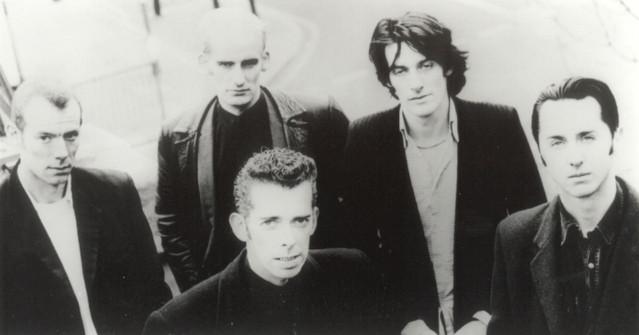
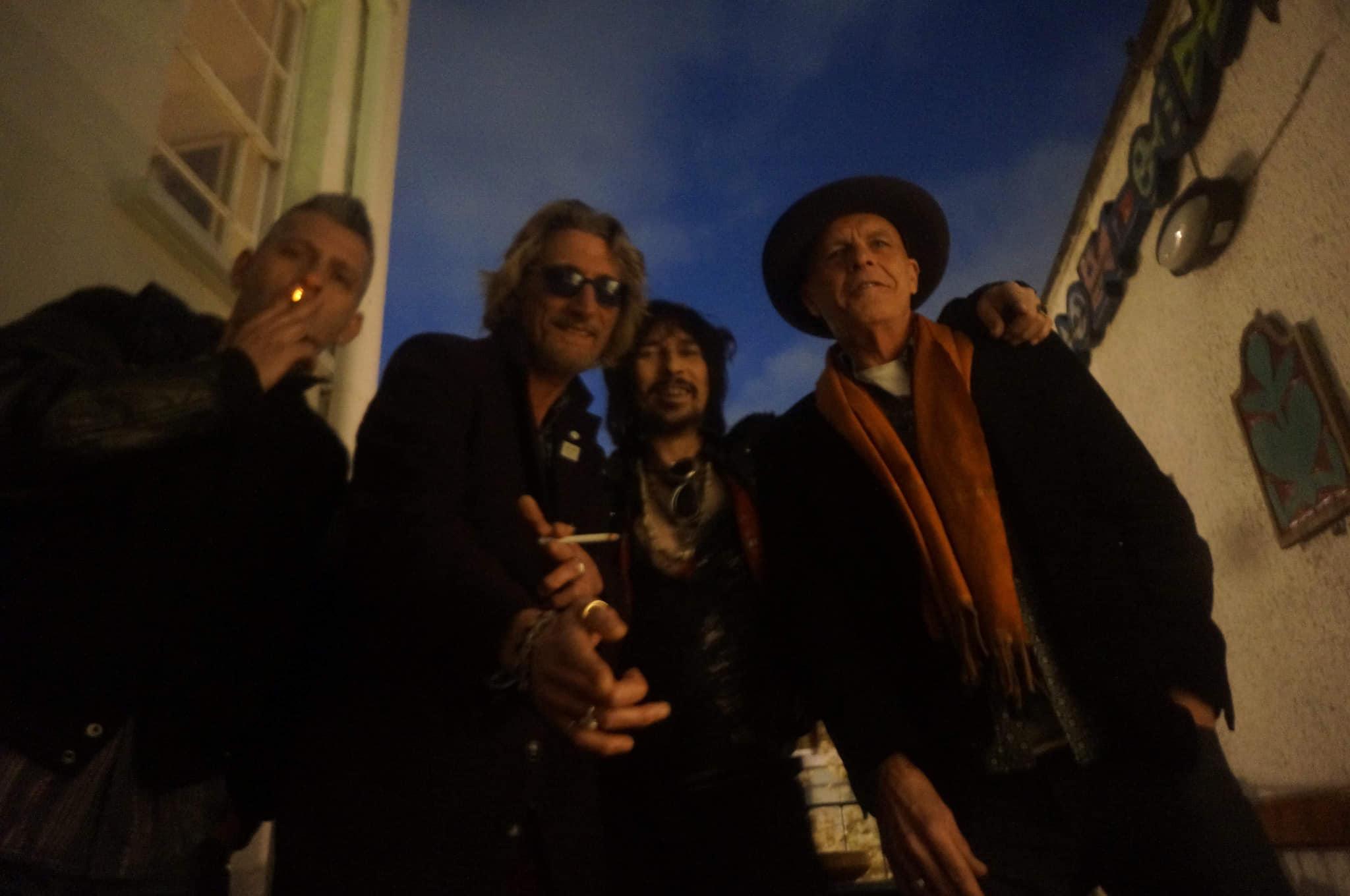
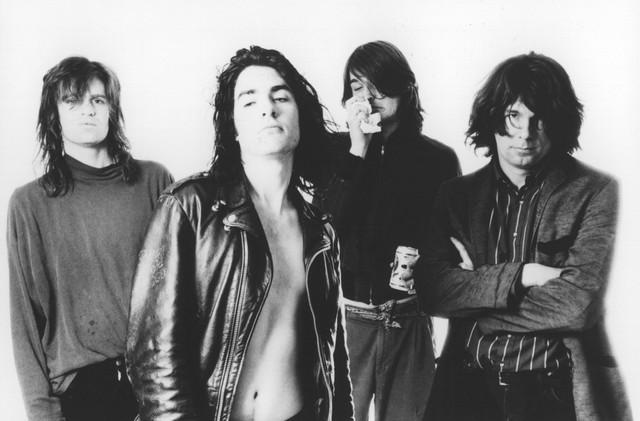
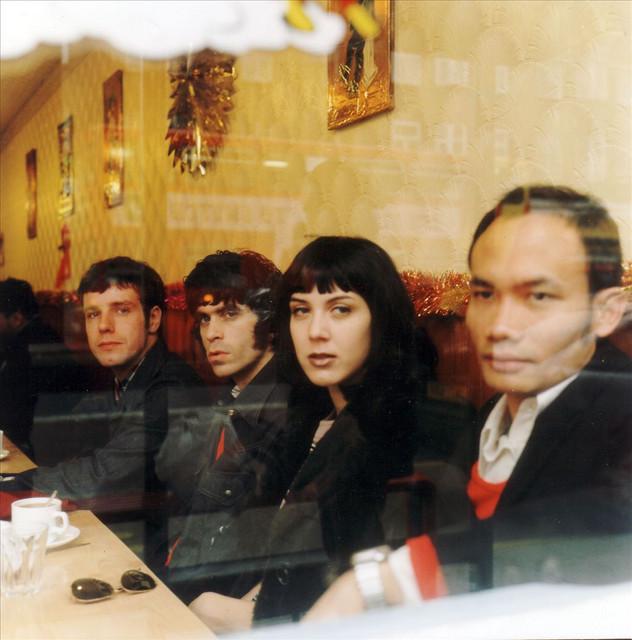
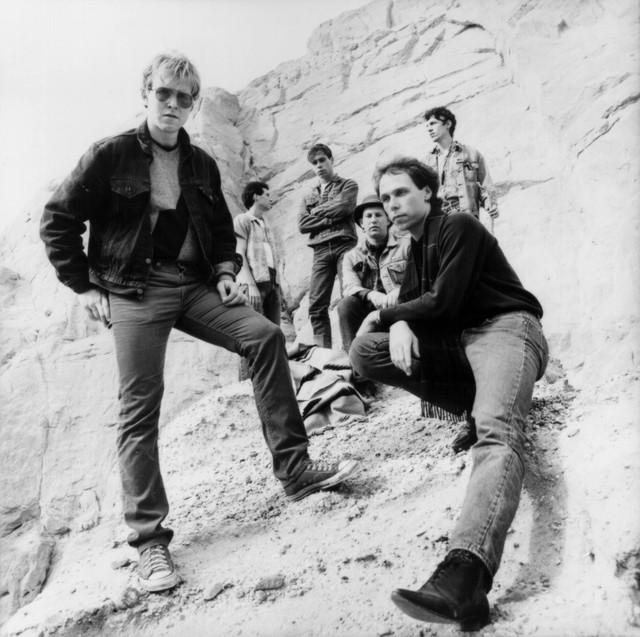
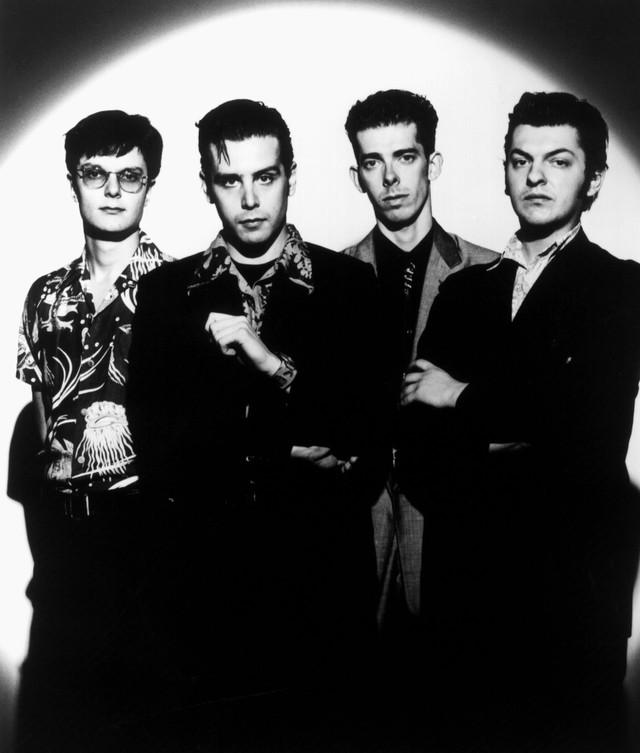
Gallon Drunk’s Spotify BioOften compared to dark and brooding sounds of such artists as Tom Waits, Nick Cave, PJ Harvey, and Morphine, the London quartet Gallon Drunk originally formed in 1990, consisting of members James Johnston (vocals, guitar, organ), Mike Delanian (bass), Max Decharne (drums, also keyboard player with the Earls of Suave), and Joe Byfield (maracas). Shortly after their formation, the quartet began issuing singles on their own label (Massive), most of which reached the top of the independent charts and were selected as Single of the Week in such acclaimed British music publications as NME and Melody Maker. By 1992, Gallon Drunk were ready to begin issuing full-length recordings, including their studio debut You, the Night...& the Music, in addition to a collection of their aforementioned early singles (Tonite...the Singles Bar) and a live set (Peel Sessions: Clawfist). The buzz grew too loud for the major labels to ignore any longer, as Warner Bros. stepped in and signed the group up,… issuing From the Heart of Town (including the contribution of new Gallon Drunk horn player Terry Edwards) in 1993. The album was nominated for a Mercury Prize the following year, as the group supported the release with tours of Europe, the U.S., and Japan, in addition to a memorable appearance on Jools Holland's Later TV program.
Johnston took some time off from the group the following year, as he and Terry Edwards created a soundscape, Dora Suarez, which was inspired by crime writer Derek Raymond's novel I Was Dora Suarez and resulted in a sold-out live performance of the work at the National Film Theatre on London's South Bank. The same year, Johnston lent his guitar-playing talents to Nick Cave & the Bad Seeds for their 1994 spot on the U.S. festival Lollapalooza, which resulted in Johnston collaborating on several songs with Cave (as well as appearing alongside Cave and Kylie Minogue on a Top of the Pops appearance). After returning to Gallon Drunk, the bandmembers decided to split from Warner Bros., which resulted in contractual red tape that would prevent the group from issuing any new recordings until the end of 1995 (The Traitor's Gate EP, which the group issued on its own), supported by an appearance at the Phoenix Festival and an inaugural tour of Ireland.
Gallon Drunk's third studio full-length overall (and first for new label City Slang), In the Long Still Night, arrived in 1996. Featuring new members Ian Watson (guitar, trumpet), Andy Dewar (percussion), and Ian White (drums), the album was considered by both fans and press alike to be the group's finest recording yet. Up next for Gallon Drunk was soundtrack work, as they contributed music to a feature film by Nikos Triandafyllidis titled Black Milk, as well as Geraldine Swayne's East End. Meanwhile, Johnston made his acting debut in 2001 in the Ken Russell horror-comedy The Fall of the Louse of Usher, based on Edgar Allan Poe's novel. Johnston issued the single "Hurricane" under the JJ Stone moniker that same year.
In 2002, bass player Jeremy Cottingham was added to the group, just prior to Gallon Drunk issuing the vibrant Fire Music. Cottingham's tenure with Gallon Drunk proved to be short-lived; the group went on hiatus after Fire Music, as Johnston once again toured and recorded with Nick Cave (he also found time to work with the German psych-prog band Faust and Lydia Lunch's ensemble Big Sexy Noise), and when Johnston, White, and Edwards returned to the studio for 2007's The Rotten Mile, Simon Wring was the group's new bassist. The group's tour in support was documented on the album Live at Klub 007, but Wring's days in the band were numbered -- he died in April 2011. Despite the loss, Gallon Drunk rallied, returning in 2012 with The Road Gets Darker from Here, and in the spring of 2014, Gallon Drunk released The Soul of the Hour, featuring new bassist Leo Kurunis. ~ Greg Prato, Rovi
Viberate is a music analytics platform built for A&Rs, artist managers, labels, booking agents, marketers, and artists.
It helps music professionals track artist growth, analyze audience data, monitor playlist activity, compare artists, follow song performance, and identify opportunities across the music market.
Public artist pages provide a free preview of selected artist data. Paid plans provide access to deeper analytics, historical data, charts, comparisons, playlist tools, exports, alerts, reports, and additional professional features.
Yes. Public Viberate artist pages provide selected artist analytics and music data for free.
Viberate also offers a 7-day free trial of the full platform. A credit card is required to start the trial. The trial includes access to the complete product so users can test deeper artist analytics, historical views, playlist insights, comparisons, charts, exports, alerts, and reporting features before choosing a paid plan.
Viberate provides artist analytics across streaming, playlists, social media, video, radio airplay, songs, and audience markets.
Users can analyze Spotify performance, Spotify and Apple Music playlists, YouTube activity, TikTok and Instagram growth, radio spins, song performance, audience locations, demographics, rankings, and overall artist momentum.
Artist profiles also connect to music charts, similar artists, and comparison tools, helping users benchmark performance and evaluate artists in context.
Viberate updates key artist and track data daily.
For followed artists and tracks, selected data is refreshed multiple times per day. This helps teams monitor playlist changes, streaming movement, audience growth, releases, and campaign performance with more current data.
Update frequency can vary depending on the metric and data source.
Yes. Viberate lets users compare up to five artists side by side across streaming, social media, audience, and engagement metrics.
Users can compare fanbase growth, audience demographics, locations, Spotify performance, social metrics, and other artist data over selected time periods.
Artist comparison can be used for A&R scouting, benchmarking, booking decisions, campaign planning, and evaluating artists with similar audiences or market positions.