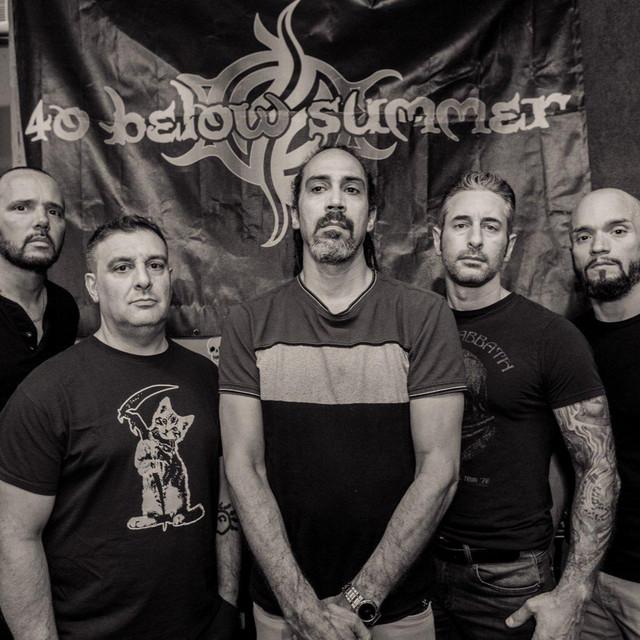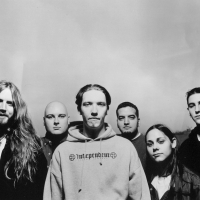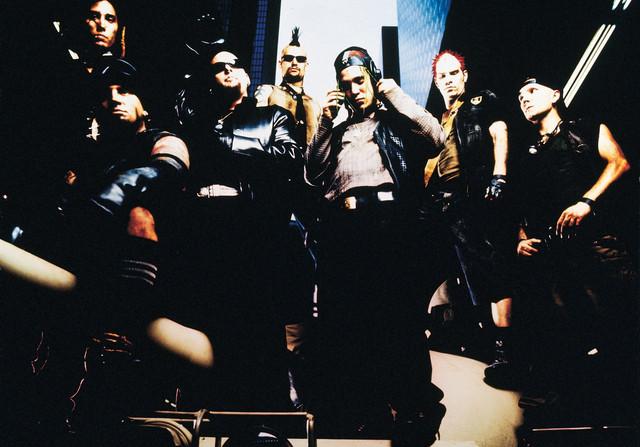
American Head Charge

Metal
Alternative Metal
Nu Metal
 Viberate Rank: 59712
 Viberate Rank: 59712
 Monthly ListenersFollowers
 Subscribers
 Followers
 Followers
 FansTop Spotify Songs
| Track | 7-Day Streams | |
|---|---|---|
1 | 25.88K | |
2 | 16.19K | |
3 | 13.25K | |
4 | 13.25K | |
5 | 9.66K |
Top YouTube VideosMonthly ListenersFeatured in Playlists| Playlist | Followers | |
|---|---|---|
1 |  Industrial Metal Spotify | 383.83K |
2 | Pop Punk & Alt. Metal alwaysdestroy | 36.06K |
3 |  Kerrang! 2000s Era Chris Aspden | 32.99K |
4 |  BIG NU METAL 90S/2000S MOOD!!!!!!! seran ♱ | 31.91K |
5 | Nu Metal stevenoss | 31.25K |
Audience| City | Monthly Listeners | |
|---|---|---|
1 |  | 2.47K |
2 |  | 1.80K |
3 |  | 1.71K |
4 | | 1.57K |
5 | | 1.55K |
See full performance history, audience data, playlist activity, rankings, comparisons, and more in Viberate music analytics. Start with a free trial, then continue with a paid plan.
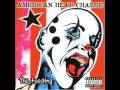
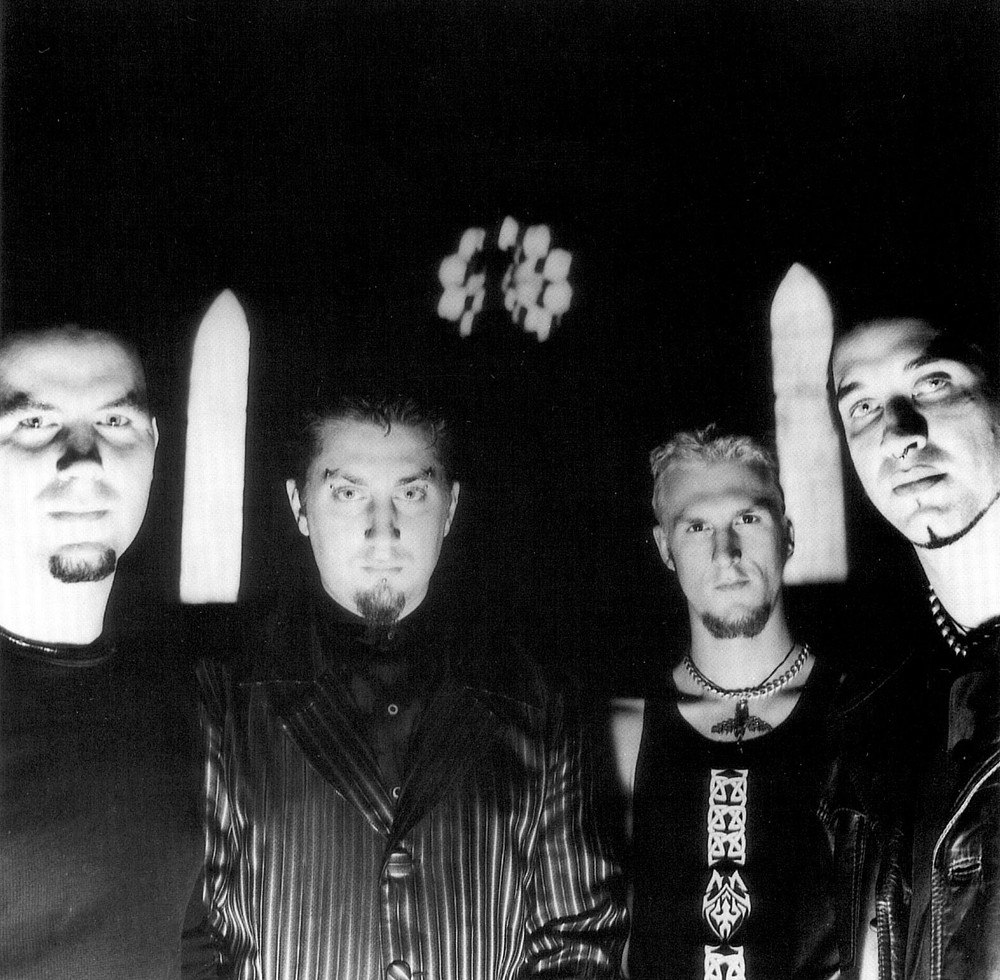
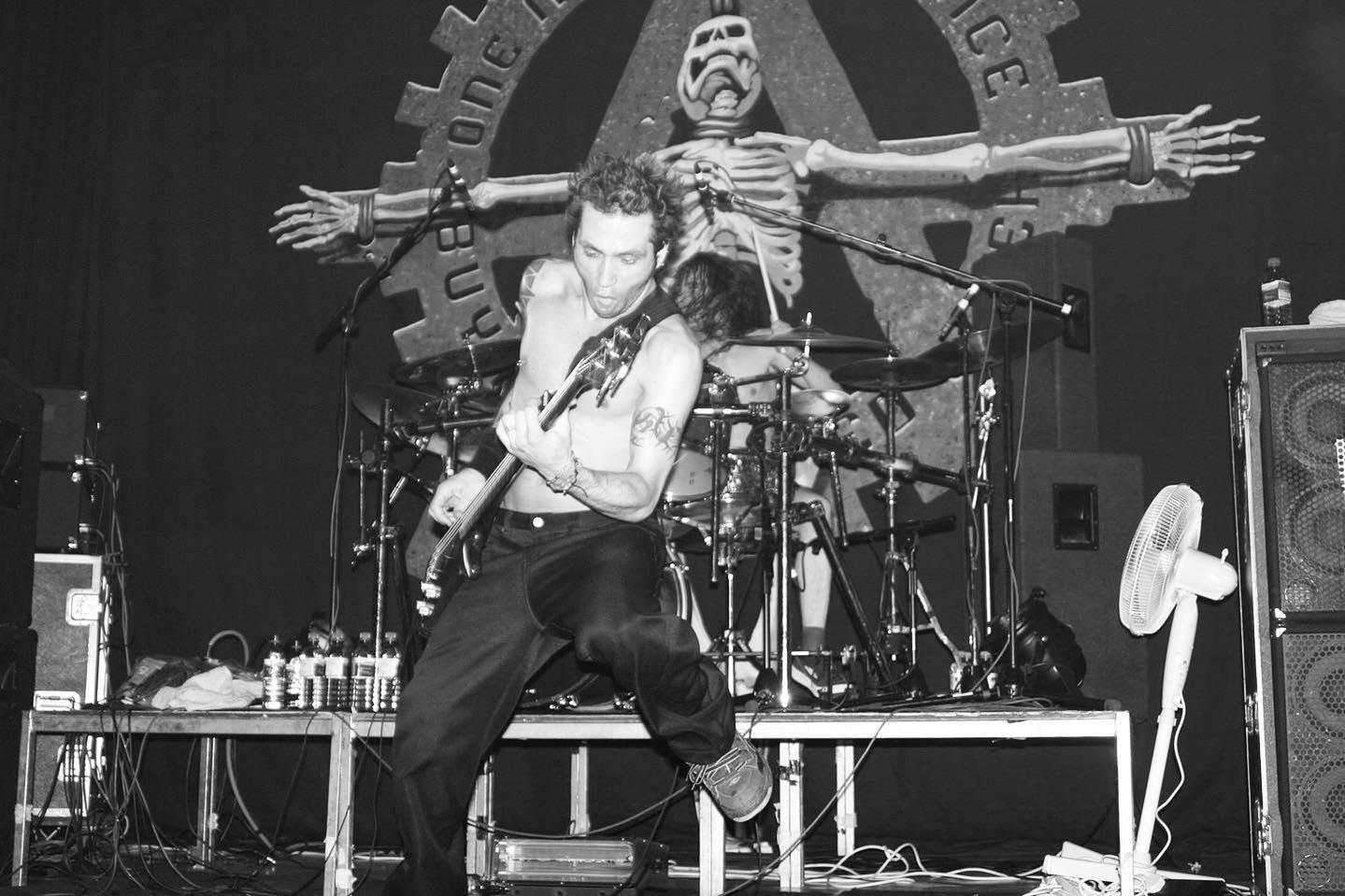
American Head Charge’s Spotify BioBorn out of a chance meeting in rehab between Cameron Heacock and Chad Hanks, Minneapolis-based industrial metal collective American Head Charge match their brutally executed music with their behavior. Heacock and Hanks, now known as Martin Cock and Mr. H.C. Banks III, formed AHC in the late '90s, releasing their critically acclaimed debut, War of Art, in 2001. The record scored the band -- which by then included guitarist Bryan Ottoson, keyboardist Justin Fowler, and drummer Christopher Emery -- a coveted slot on that year's Ozzfest tour, at which point the group splintered into a violent, drug-fueled nonentity that became known more for its on-stage/backstage mayhem than for its excellent musicianship. As the year progressed, the bandmembers, despite frequent trips back to rehab and the occasional near-suicidal meltdown, managed to continue to filter their rage into creativity, resulting in their 2005 ambitious sophomore effort, Feeding, their first for the Nitrus/DRT label. That… same year saw the tragic death of guitarist Bryan Ottoson, who died of an accidental prescription drug overdose while on tour in support of the album. A live CD/DVD, Can't Stop the Machine, dropped in early 2007, but by 2009 the band had officially called it quits. In 2011 rumours began to surface about a possible AHC reunion, and surely enough, by 2012 a new single appeared, "Sugars of Someday," in anticipation of the band's 2013 comeback EP, Shoot. The following year saw the band raising money to finance the recording of their fourth studio long player. They eventually met and exceeded their goals, and headed to Kentucky's Third Sky studios to begin laying down tracks. The resulting Tango Umbrella dropped in March, 2016 via Napalm Records. ~ James Christopher Monger, Rovi
Viberate is a music analytics platform built for A&Rs, artist managers, labels, booking agents, marketers, and artists.
It helps music professionals track artist growth, analyze audience data, monitor playlist activity, compare artists, follow song performance, and identify opportunities across the music market.
Public artist pages provide a free preview of selected artist data. Paid plans provide access to deeper analytics, historical data, charts, comparisons, playlist tools, exports, alerts, reports, and additional professional features.
Yes. Public Viberate artist pages provide selected artist analytics and music data for free.
Viberate also offers a 7-day free trial of the full platform. A credit card is required to start the trial. The trial includes access to the complete product so users can test deeper artist analytics, historical views, playlist insights, comparisons, charts, exports, alerts, and reporting features before choosing a paid plan.
Viberate provides artist analytics across streaming, playlists, social media, video, radio airplay, songs, and audience markets.
Users can analyze Spotify performance, Spotify and Apple Music playlists, YouTube activity, TikTok and Instagram growth, radio spins, song performance, audience locations, demographics, rankings, and overall artist momentum.
Artist profiles also connect to music charts, similar artists, and comparison tools, helping users benchmark performance and evaluate artists in context.
Viberate updates key artist and track data daily.
For followed artists and tracks, selected data is refreshed multiple times per day. This helps teams monitor playlist changes, streaming movement, audience growth, releases, and campaign performance with more current data.
Update frequency can vary depending on the metric and data source.
Yes. Viberate lets users compare up to five artists side by side across streaming, social media, audience, and engagement metrics.
Users can compare fanbase growth, audience demographics, locations, Spotify performance, social metrics, and other artist data over selected time periods.
Artist comparison can be used for A&R scouting, benchmarking, booking decisions, campaign planning, and evaluating artists with similar audiences or market positions.