Four Letter Lie

Rock
Alternative Rock
Post Hardcore
Pop Punk
 Viberate Rank: 221085
 Viberate Rank: 221085
 Monthly ListenersFollowers
 Subscribers
 Followers
 Followers
 FansTop Spotify Songs
| Track | 7-Day Streams | |
|---|---|---|
1 | 1.29K | |
2 | 832 | |
3 | 788 | |
4 | 633 | |
5 | 496 |
Top YouTube Videos| Video | 7-Day Views | |
|---|---|---|
1 | 191 | |
2 | 178 | |
3 | 14 |
Monthly ListenersFeatured in Playlists| Playlist | Followers | |
|---|---|---|
1 |  Post-Hardcore atruskot | 46.53K |
2 |  LZ RADIO Adam Lizotte-Zeisler | 23.03K |
3 |  Scene Kid MySpace Throwbacks Kitty Voorhees | 11.84K |
4 |  niche posthardcore!! Python? | 8.49K |
5 | Alliteration am Arsch PLAYLIST bbielend | 7.53K |
Audience| City | Monthly Listeners | |
|---|---|---|
1 | | 167 |
2 | | 135 |
3 | | 133 |
4 | | 128 |
5 | | 124 |
See full performance history, audience data, playlist activity, rankings, comparisons, and more in Viberate music analytics. Start with a free trial, then continue with a paid plan.
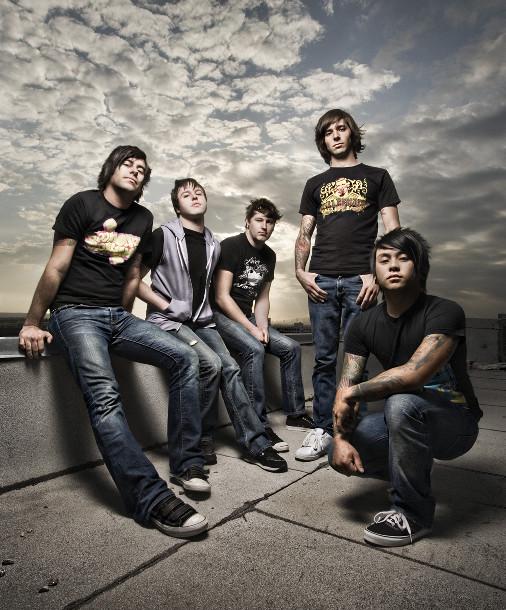
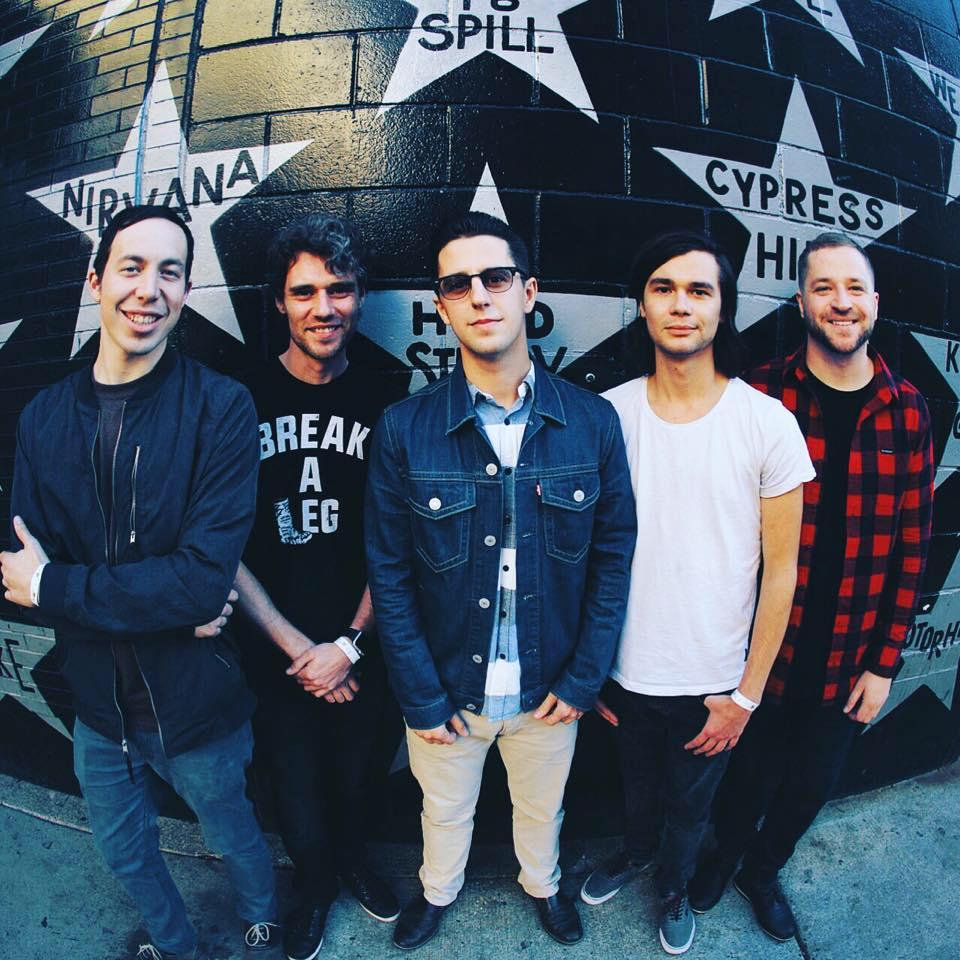
Four Letter Lie’s Spotify BioBuilt on the foundation of the independent local scene from Minneapolis, Minnesota, Four Letter Lie was formed in 2004 by long-time friends Brian Nagan (Vocals), John Waltmann (bass/guitar), and Connor Kelly (guitar). After self-releasing an EP in 2005 and hitting the road to increase exposure in the melodic hardcore scene across the Midwest, the band joined up with guitarist Kevin Skaff (now A Day To Remember) and drummer Derek Smith (now MOD SUN) to begin writing off the back of this regional success. Four Letter Lie released Let Your Body Take Over (2006), What A Terrible Thing to Say (2008), and A New Day (2009) with Victory Records.
Like Structures (2014) was released with Artery Recordings and featured new members Timothy Java (Dead To Fall, Darkest Hour ) as drums and Anthony Jones as bass/vocals. Four Letter Lie has toured extensively with bands such as Memphis May Fire, Pierce The Veil, Emarosa, A Skylit Drive, Dance Gavin Dance, We Came As Romans, A Static Lullaby, Our Last… Night, and many more.
Viberate is a music analytics platform built for A&Rs, artist managers, labels, booking agents, marketers, and artists.
It helps music professionals track artist growth, analyze audience data, monitor playlist activity, compare artists, follow song performance, and identify opportunities across the music market.
Public artist pages provide a free preview of selected artist data. Paid plans provide access to deeper analytics, historical data, charts, comparisons, playlist tools, exports, alerts, reports, and additional professional features.
Yes. Public Viberate artist pages provide selected artist analytics and music data for free.
Viberate also offers a 7-day free trial of the full platform. A credit card is required to start the trial. The trial includes access to the complete product so users can test deeper artist analytics, historical views, playlist insights, comparisons, charts, exports, alerts, and reporting features before choosing a paid plan.
Viberate provides artist analytics across streaming, playlists, social media, video, radio airplay, songs, and audience markets.
Users can analyze Spotify performance, Spotify and Apple Music playlists, YouTube activity, TikTok and Instagram growth, radio spins, song performance, audience locations, demographics, rankings, and overall artist momentum.
Artist profiles also connect to music charts, similar artists, and comparison tools, helping users benchmark performance and evaluate artists in context.
Viberate updates key artist and track data daily.
For followed artists and tracks, selected data is refreshed multiple times per day. This helps teams monitor playlist changes, streaming movement, audience growth, releases, and campaign performance with more current data.
Update frequency can vary depending on the metric and data source.
Yes. Viberate lets users compare up to five artists side by side across streaming, social media, audience, and engagement metrics.
Users can compare fanbase growth, audience demographics, locations, Spotify performance, social metrics, and other artist data over selected time periods.
Artist comparison can be used for A&R scouting, benchmarking, booking decisions, campaign planning, and evaluating artists with similar audiences or market positions.