Billy Taylor

Jazz
Bebop
Swing
 Viberate Rank: 177276
 Viberate Rank: 177276
 Monthly ListenersFollowers
 Subscribers
 Followers
 Followers
 FansTop Spotify Songs
| Track | 7-Day Streams | |
|---|---|---|
1 | 11.78K | |
2 | 6.15K | |
3 | 2.13K | |
4 | 1.86K | |
5 | 1.61K |
Top YouTube VideosMonthly ListenersFeatured in Playlists| Playlist | Followers | |
|---|---|---|
1 |  Smooth Jazz Piano funkyjlo | 155.09K |
2 |  Essential Classics Essential Classics | 31.39K |
3 | Jazz Standards Playlist tmorral22 | 19.75K |
4 | "Perfect" Songs of All Genres, According to Various Forums (In NO Particular Order) For The Music Aficionados | 17.87K |
5 | Best Latin Jazz Jef Bruggeman | 16.91K |
Audience| City | Monthly Listeners | |
|---|---|---|
1 |  | 843 |
2 | | 671 |
3 | | 568 |
4 | | 450 |
5 | | 420 |
See full performance history, audience data, playlist activity, rankings, comparisons, and more in Viberate music analytics. Start with a free trial, then continue with a paid plan.
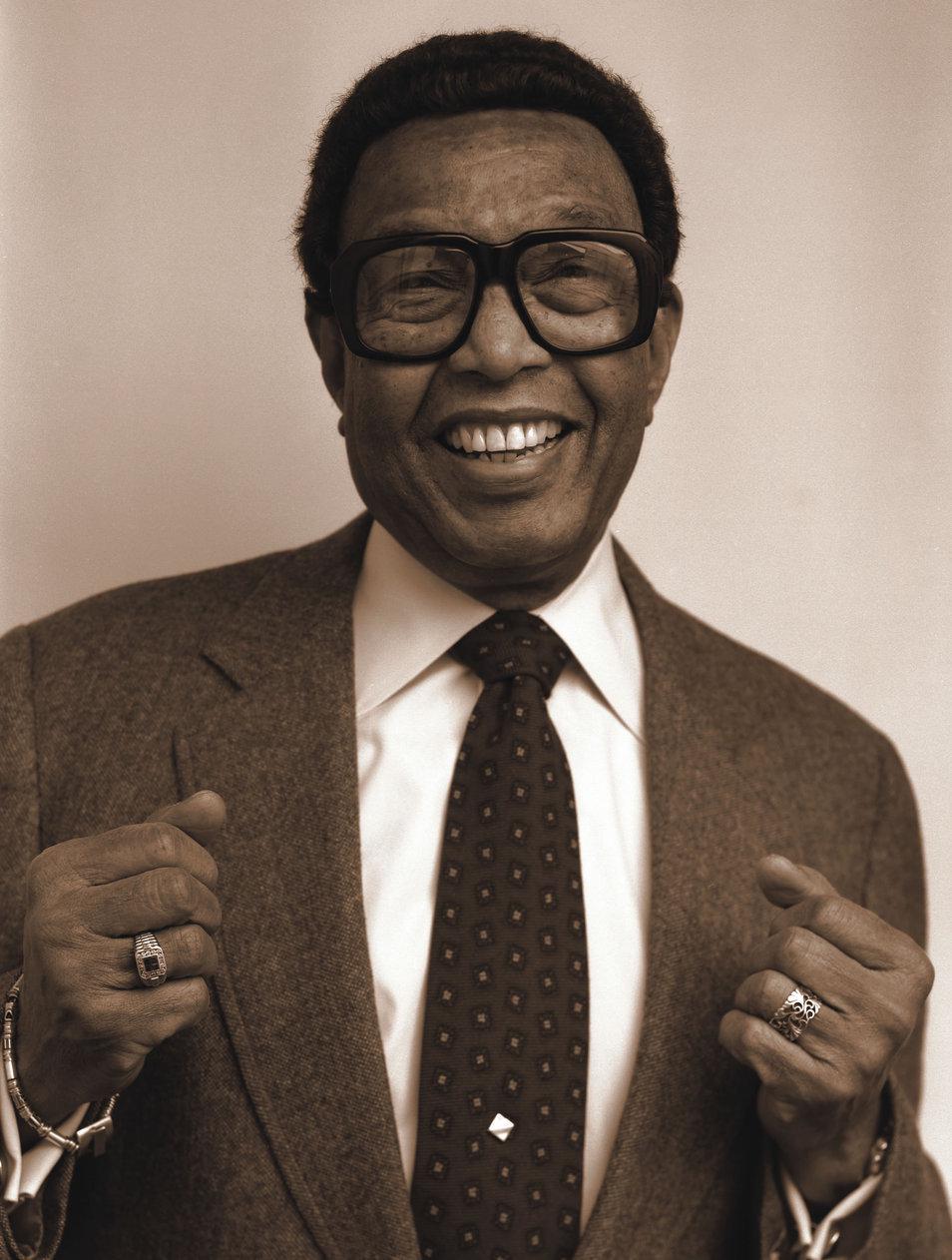
Billy Taylor’s Spotify BioBilly Taylor was an amazingly articulate spokesman for jazz, and his profiles on CBS' Sunday Morning television program (where he was a regular beginning in 1981) were so successful at introducing jazz to a wider audience, that sometimes one could forget what a talented pianist he was for over half-a-century. While not an innovator, Taylor was flexible enough to play swing, bop, and more advanced styles while always retaining his own musical personality. After graduating from Virginia State College in 1942, he moved to New York and played with such major musicians as Ben Webster, Eddie South, Stuff Smith (with whom he recorded in 1944), and Slam Stewart, among others. In 1951, he was the house pianist at Birdland and soon afterward formed his first of many trios. He helped found the Jazzmobile in 1965. In 1969 he became the first Black band director for a network television series (The David Frost Show). He earned his doctorate at the University of Massachusetts in 1975 and founded and… served as director for the popular radio program Jazz Alive. Despite his activities in jazz education, Taylor was rarely absent from performances and recordings, always keeping his bop-based style consistently swinging and fresh. He died of heart failure in New York on December 28, 2010, at the age of 89. ~ Scott Yanow, Rovi
Viberate is a music analytics platform built for A&Rs, artist managers, labels, booking agents, marketers, and artists.
It helps music professionals track artist growth, analyze audience data, monitor playlist activity, compare artists, follow song performance, and identify opportunities across the music market.
Public artist pages provide a free preview of selected artist data. Paid plans provide access to deeper analytics, historical data, charts, comparisons, playlist tools, exports, alerts, reports, and additional professional features.
Yes. Public Viberate artist pages provide selected artist analytics and music data for free.
Viberate also offers a 7-day free trial of the full platform. A credit card is required to start the trial. The trial includes access to the complete product so users can test deeper artist analytics, historical views, playlist insights, comparisons, charts, exports, alerts, and reporting features before choosing a paid plan.
Viberate provides artist analytics across streaming, playlists, social media, video, radio airplay, songs, and audience markets.
Users can analyze Spotify performance, Spotify and Apple Music playlists, YouTube activity, TikTok and Instagram growth, radio spins, song performance, audience locations, demographics, rankings, and overall artist momentum.
Artist profiles also connect to music charts, similar artists, and comparison tools, helping users benchmark performance and evaluate artists in context.
Viberate updates key artist and track data daily.
For followed artists and tracks, selected data is refreshed multiple times per day. This helps teams monitor playlist changes, streaming movement, audience growth, releases, and campaign performance with more current data.
Update frequency can vary depending on the metric and data source.
Yes. Viberate lets users compare up to five artists side by side across streaming, social media, audience, and engagement metrics.
Users can compare fanbase growth, audience demographics, locations, Spotify performance, social metrics, and other artist data over selected time periods.
Artist comparison can be used for A&R scouting, benchmarking, booking decisions, campaign planning, and evaluating artists with similar audiences or market positions.