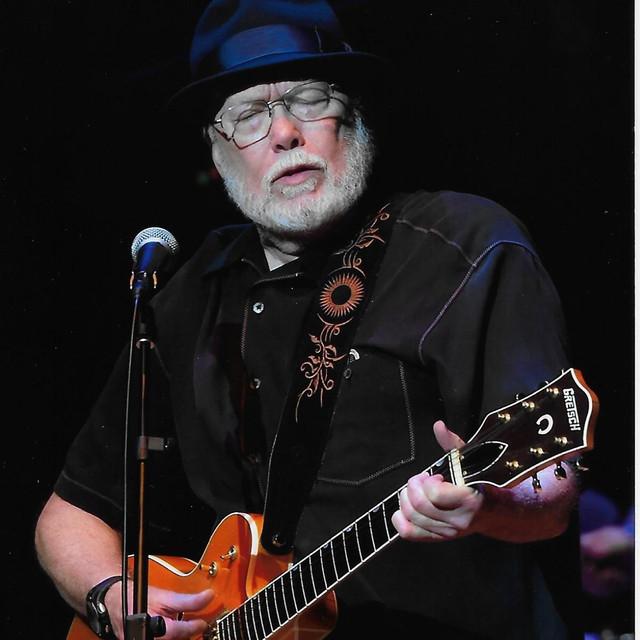
Billy Swan

Rock
Rockabilly
Indie Pop
 Viberate Rank: 62090
 Viberate Rank: 62090
 Monthly ListenersFollowers
 Subscribers
 Followers
 Followers
 FansTop Spotify Songs
| Track | 7-Day Streams | |
|---|---|---|
1 | 72.13K | |
2 | 38.23K | |
3 | 4.03K | |
4 | 2.10K | |
5 | 2.05K |
Top YouTube VideosMonthly ListenersFeatured in Playlists| Playlist | Followers | |
|---|---|---|
1 |  70s Country Spotify | 320.72K |
2 |  Euphoria Official Playlist Spotify | 320.67K |
3 |  Années 70 Spotify | 207.84K |
4 |  70s Hits Filtr Sweden | 130.19K |
5 |  EUPHORIA VIBES Lyds | 118.25K |
Audience| City | Monthly Listeners | |
|---|---|---|
1 |  | 4.02K |
2 | | 3.98K |
3 | | 3.31K |
4 |  | 3.04K |
5 |  | 2.98K |
See full performance history, audience data, playlist activity, rankings, comparisons, and more in Viberate music analytics. Start with a free trial, then continue with a paid plan.
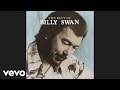
Billy Swan’s Spotify BioBest remembered for his 1974 neo-rockabilly smash "I Can Help," Billy Swan had a long and varied career in the music biz, with a large percentage of it spent behind the scenes. Swan was born in Cape Girardeau, Missouri, in 1942 and grew up listening to country music until he discovered rock & roll as a teenager. He learned drums, piano, and guitar and also began writing songs. "Lover Please," a song he wrote at age 16, was recorded by a local group he played with called Mirt Mirly & the Rhythm Stoppers; later, when Swan's friends traveled to Memphis to record with Elvis bassist Bill Black, Black wound up cutting the tune himself. Not long after, "Lover Please" found its way to R&B star Clyde McPhatter, who turned it into a Top Ten hit in 1962. Swan stayed in Memphis to write for Black's combo and also worked as a guard at Graceland for a time. He soon moved to Nashville, where he worked as a janitor at the Columbia studios (later handing the job over to a young Kris Kristofferson) and… later as a roadie for Mel Tillis; he also wrote songs recorded by Tillis, Conway Twitty, and Waylon Jennings. An association with Monument Records led to Swan's first gig as a record producer, in which he oversaw Tony Joe White's 1969 Top Ten smash "Polk Salad Annie." The following year, Swan joined Kristofferson's backing band as the bass player and toured with him for the next year-and-a-half. He next served as a sideman for Kinky Friedman and Billy Joe Shaver, and shortly after his return to Kristofferson's band, he got a recording deal of his own with Monument.
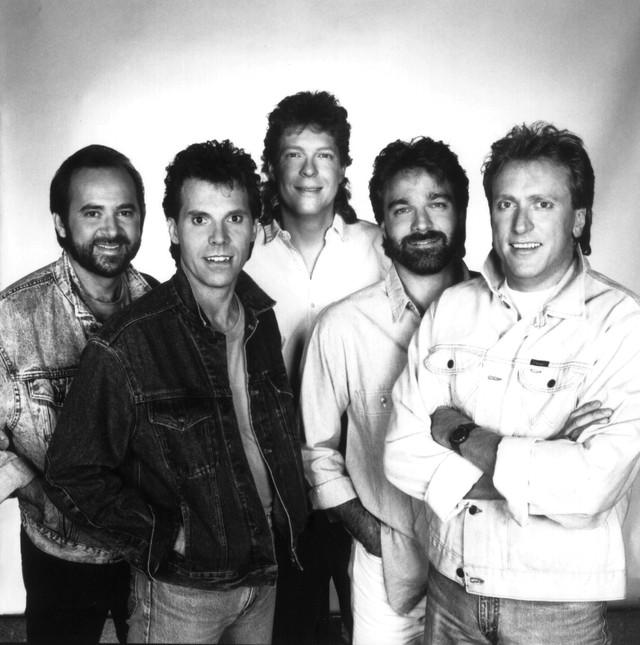
Tossed off in the studio during sessions for Swan's first album, "I Can Help" was a bouncy, rockabilly-styled number that featured Swan's distinctive electric organ work. It went to number one on both the pop and country charts in 1974, and the accompanying album of the same name also topped the country list. Swan never came close to duplicating its success, but he did reach the country Top 20 with a 1975 single, "Everything's the Same (Ain't Nothing Changed)," and cut three more albums for Monument. He later recorded an album for A&M in 1978 and another for Epic's country division in 1981. He also continued to play in Kristofferson's touring band and worked with T-Bone Burnett frequently during the '80s. In 1986, Swan teamed with Randy Meisner in the country-rock band Black Tie, which released the album When the Night Falls. Taking time out from his still-active career as a session and backup musician, Swan recorded a new album at the original Sun studios, Like Elvis Used to Do, in 2000. In 2002, he teamed up with Meisner again, as well as Alan Rich, on a self-titled album from the aptly named Meisner, Swan & Rich. ~ Steve Huey, Rovi
Viberate is a music analytics platform built for A&Rs, artist managers, labels, booking agents, marketers, and artists.
It helps music professionals track artist growth, analyze audience data, monitor playlist activity, compare artists, follow song performance, and identify opportunities across the music market.
Public artist pages provide a free preview of selected artist data. Paid plans provide access to deeper analytics, historical data, charts, comparisons, playlist tools, exports, alerts, reports, and additional professional features.
Yes. Public Viberate artist pages provide selected artist analytics and music data for free.
Viberate also offers a 7-day free trial of the full platform. A credit card is required to start the trial. The trial includes access to the complete product so users can test deeper artist analytics, historical views, playlist insights, comparisons, charts, exports, alerts, and reporting features before choosing a paid plan.
Viberate provides artist analytics across streaming, playlists, social media, video, radio airplay, songs, and audience markets.
Users can analyze Spotify performance, Spotify and Apple Music playlists, YouTube activity, TikTok and Instagram growth, radio spins, song performance, audience locations, demographics, rankings, and overall artist momentum.
Artist profiles also connect to music charts, similar artists, and comparison tools, helping users benchmark performance and evaluate artists in context.
Viberate updates key artist and track data daily.
For followed artists and tracks, selected data is refreshed multiple times per day. This helps teams monitor playlist changes, streaming movement, audience growth, releases, and campaign performance with more current data.
Update frequency can vary depending on the metric and data source.
Yes. Viberate lets users compare up to five artists side by side across streaming, social media, audience, and engagement metrics.
Users can compare fanbase growth, audience demographics, locations, Spotify performance, social metrics, and other artist data over selected time periods.
Artist comparison can be used for A&R scouting, benchmarking, booking decisions, campaign planning, and evaluating artists with similar audiences or market positions.