Them

Rock
Garage Rock
Pop Rock
 Viberate Rank: 52295
 Viberate Rank: 52295
 Monthly ListenersFollowers
 Subscribers
 Followers
 Followers
 FansTop Spotify Songs
| Track | 7-Day Streams | |
|---|---|---|
1 | 53.54K | |
2 | 48.56K | |
3 | 20.17K | |
4 | 11.76K | |
5 | 4.47K |
Top YouTube Videos| Video | 7-Day Views | |
|---|---|---|
1 | 11.48K | |
2 | 8.36K | |
3 | 4.41K | |
4 | 4.32K | |
5 | 2.06K |
Monthly ListenersFeatured in Playlists| Playlist | Followers | |
|---|---|---|
1 |  60s Rock Anthems Spotify | 1.02M |
2 |  Alternative 60s Spotify | 360.55K |
3 |  1960s Hits 💥 Classics Filtr Sweden | 317.47K |
4 |  This Is Van Morrison Spotify | 295.20K |
5 | Covers (that are better than the originals) JTG | 208.99K |
Audience| City | Monthly Listeners | |
|---|---|---|
1 |  | 12.09K |
2 | | 12.07K |
3 | | 9.58K |
4 | | 8.96K |
5 | | 6.46K |
See full performance history, audience data, playlist activity, rankings, comparisons, and more in Viberate music analytics. Start with a free trial, then continue with a paid plan.
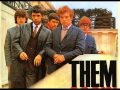
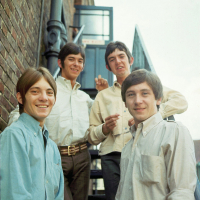
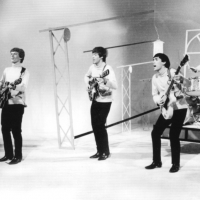
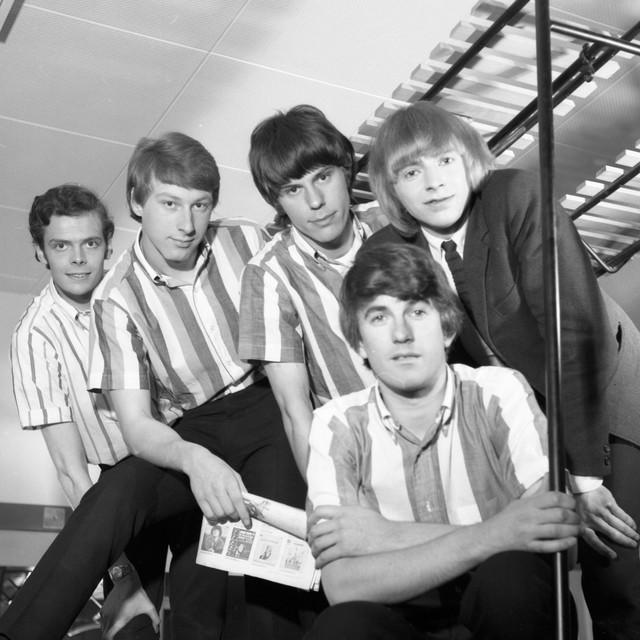
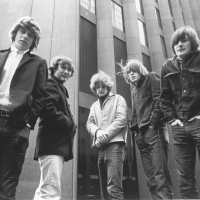
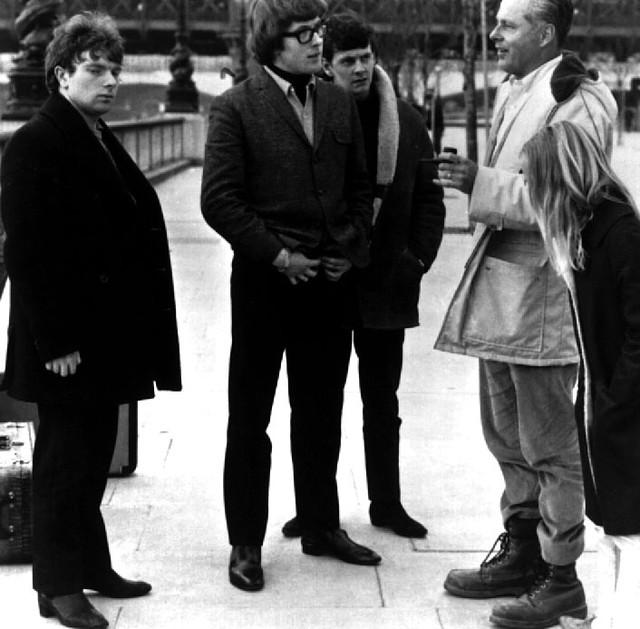
Them’s Spotify BioThem forged their hard-nosed R&B sound in Belfast, Northern Ireland, moving to England in 1964 after landing a deal with Decca Records. The band's simmering sound was dominated by boiling organ riffs, lean guitars, and the tough vocals of lead singer Van Morrison, whose recordings with Them rank among the very best performances of the British Invasion. Morrison also wrote top-notch original material for the outfit, whose lineup changed numerous times over the course of their brief existence. As a hit-making act, their résumé was brief -- "Here Comes the Night" and "Baby Please Don't Go" were Top Ten hits in England, "Mystic Eyes" and "Here Comes the Night" made the Top 40 in the U.S. -- but their influence was considerable, reaching bands like the Doors, whom Them played with during a residency in Los Angeles just before Van Morrison quit the band in 1966. Their most influential song of all, the classic three-chord stormer "Gloria," was actually a B-side, although the Shadows of Knight… had a hit in the U.S. with a faithful, tamer cover version.
Morrison recalled his days with Them with some bitterness, noting that the heart of the original group was torn out by image-conscious record company politics, and that sessionmen (including Jimmy Page) often played on recordings. In addition to hits, Them released a couple of fine albums and several flop singles that mixed Morrison compositions with R&B and soul covers, as well as a few songs written for them by producers like Bert Berns (who penned "Here Comes the Night"). After Morrison left the group, Them splintered into the Belfast Gypsies, who released an album that (except for the vocals) approximated Them's early records, and a psychedelic outfit that kept the name Them, releasing four LPs with little resemblance to the tough sounds of their mid-'60s heyday. ~ Richie Unterberger, Rovi
Viberate is a music analytics platform built for A&Rs, artist managers, labels, booking agents, marketers, and artists.
It helps music professionals track artist growth, analyze audience data, monitor playlist activity, compare artists, follow song performance, and identify opportunities across the music market.
Public artist pages provide a free preview of selected artist data. Paid plans provide access to deeper analytics, historical data, charts, comparisons, playlist tools, exports, alerts, reports, and additional professional features.
Yes. Public Viberate artist pages provide selected artist analytics and music data for free.
Viberate also offers a 7-day free trial of the full platform. A credit card is required to start the trial. The trial includes access to the complete product so users can test deeper artist analytics, historical views, playlist insights, comparisons, charts, exports, alerts, and reporting features before choosing a paid plan.
Viberate provides artist analytics across streaming, playlists, social media, video, radio airplay, songs, and audience markets.
Users can analyze Spotify performance, Spotify and Apple Music playlists, YouTube activity, TikTok and Instagram growth, radio spins, song performance, audience locations, demographics, rankings, and overall artist momentum.
Artist profiles also connect to music charts, similar artists, and comparison tools, helping users benchmark performance and evaluate artists in context.
Viberate updates key artist and track data daily.
For followed artists and tracks, selected data is refreshed multiple times per day. This helps teams monitor playlist changes, streaming movement, audience growth, releases, and campaign performance with more current data.
Update frequency can vary depending on the metric and data source.
Yes. Viberate lets users compare up to five artists side by side across streaming, social media, audience, and engagement metrics.
Users can compare fanbase growth, audience demographics, locations, Spotify performance, social metrics, and other artist data over selected time periods.
Artist comparison can be used for A&R scouting, benchmarking, booking decisions, campaign planning, and evaluating artists with similar audiences or market positions.