Billy Bland

R&B
Contemporary R&B
Soul
 Viberate Rank: 30853
 Viberate Rank: 30853
 Monthly ListenersFollowers
 Subscribers
 Followers
 Followers
 FansTop Spotify Songs
| Track | 7-Day Streams | |
|---|---|---|
1 | 179.61K | |
2 | 3.12K | |
3 | 59 | |
4 | 59 | |
5 | 57 |
Top YouTube VideosMonthly ListenersFeatured in Playlists| Playlist | Followers | |
|---|---|---|
1 | Jaren 60 en 70 teuntje60 | 17.65K |
2 |  Rockabilly Peter Karlsson | 13.32K |
3 | SOUL chopperchambers | 7.02K |
4 | 1950s rock and roll baggy1949 | 5.51K |
5 | 1950s Diner Tom Mason | 4.96K |
Audience| City | Monthly Listeners | |
|---|---|---|
1 |  | 497 |
2 | | 433 |
3 | | 368 |
4 | | 221 |
5 |  | 158 |
See full performance history, audience data, playlist activity, rankings, comparisons, and more in Viberate music analytics. Start with a free trial, then continue with a paid plan.
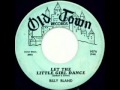
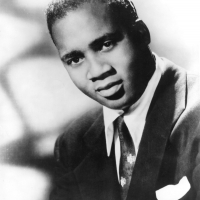
Billy Bland’s Spotify BioBilly Bland had a one-shot hit in 1960 with "Let the Little Girl Dance" (number seven), a pop-R&B- early soul mixture very much in the same mold as records from the period by Jackie Wilson, right down to the Latinate "Lonely Teardrops" rhythm. Some of his other singles were in the same style, but Bland (not to be confused with the unrelated Bobby Bland) was actually a pretty versatile vocalist, also purveying R&B, Bo Diddley-styled rock & roll, urban blues, and dance-craze early-'60s rock. He recorded often for Old Town from the mid-'50s through 1963, but though his range was wide, his quality was not. He was a competent journeyman no matter what his genre, never finding another song with the pop hooks of "Let the Little Girl Dance." Or writing one: though he didn't pen "Let the Little Girl Dance," he wrote much of his own material.
Bland began singing shortly after moving to New York in the late
'40s, and made his first records for Imperial in New Orleans in the mid-'50s, as a member of… the Bees. They did an early version of Dave Bartholomew's naughty "My Ding-a-Ling" (eventually a hit for Chuck Berry), although when the Bees did it, it was titled "Toy Bell." (It can now be found on the box set Crescent City Soul: The Sound of New Orleans 1947-1974). Bland went solo in 1955, however, beginning his lengthy association with the New York-based Old Town label. "Let the Little Girl Dance" was almost an accident: it was being recorded by Titus Turner, and Bland showed him how to do it in the studio. Unknown to Bland, his demonstration was recorded by Henry Glover, and became the hit, with guitar ace Mickey Baker playing on the session.
Bland tried to vary the "Let the Little Girl Dance" pop-R&B sound on various singles, and also ride the bandwagons of other rock trends, with no success, and made his final Old Town disc in 1963. As of the late '80s, he was running a soul food restaurant in Harlem. ~ Richie Unterberger, Rovi
Viberate is a music analytics platform built for A&Rs, artist managers, labels, booking agents, marketers, and artists.
It helps music professionals track artist growth, analyze audience data, monitor playlist activity, compare artists, follow song performance, and identify opportunities across the music market.
Public artist pages provide a free preview of selected artist data. Paid plans provide access to deeper analytics, historical data, charts, comparisons, playlist tools, exports, alerts, reports, and additional professional features.
Yes. Public Viberate artist pages provide selected artist analytics and music data for free.
Viberate also offers a 7-day free trial of the full platform. A credit card is required to start the trial. The trial includes access to the complete product so users can test deeper artist analytics, historical views, playlist insights, comparisons, charts, exports, alerts, and reporting features before choosing a paid plan.
Viberate provides artist analytics across streaming, playlists, social media, video, radio airplay, songs, and audience markets.
Users can analyze Spotify performance, Spotify and Apple Music playlists, YouTube activity, TikTok and Instagram growth, radio spins, song performance, audience locations, demographics, rankings, and overall artist momentum.
Artist profiles also connect to music charts, similar artists, and comparison tools, helping users benchmark performance and evaluate artists in context.
Viberate updates key artist and track data daily.
For followed artists and tracks, selected data is refreshed multiple times per day. This helps teams monitor playlist changes, streaming movement, audience growth, releases, and campaign performance with more current data.
Update frequency can vary depending on the metric and data source.
Yes. Viberate lets users compare up to five artists side by side across streaming, social media, audience, and engagement metrics.
Users can compare fanbase growth, audience demographics, locations, Spotify performance, social metrics, and other artist data over selected time periods.
Artist comparison can be used for A&R scouting, benchmarking, booking decisions, campaign planning, and evaluating artists with similar audiences or market positions.