Marv Johnson
R&B
Funk
Soul
 Viberate Rank: 137626
 Viberate Rank: 137626
 Monthly ListenersFollowers
 Subscribers
 Followers
 Followers
 FansTop Spotify Songs
| Track | 7-Day Streams | |
|---|---|---|
1 | 7.53K | |
2 | 7.53K | |
3 | 3.82K | |
4 | 2.81K | |
5 | 1.99K |
Top YouTube VideosMonthly ListenersFeatured in Playlists| Playlist | Followers | |
|---|---|---|
1 |  Essential Classics Essential Classics | 31.39K |
2 | 21f72cob23id3qkhxyiuxdyja | 31.15K |
3 |  Motown & Soul Music 2026 Music For The Soul | 27.82K |
4 | Unofficial Reverb Radio Jeff Ferruzzo | 21.82K |
5 |  NOW 100 Hits Forgotten 60s NOW That’s What I Call Music! | 18.56K |
Audience| City | Monthly Listeners | |
|---|---|---|
1 |  | 837 |
2 | | 574 |
3 |  | 360 |
4 | | 335 |
5 | | 270 |
See full performance history, audience data, playlist activity, rankings, comparisons, and more in Viberate music analytics. Start with a free trial, then continue with a paid plan.
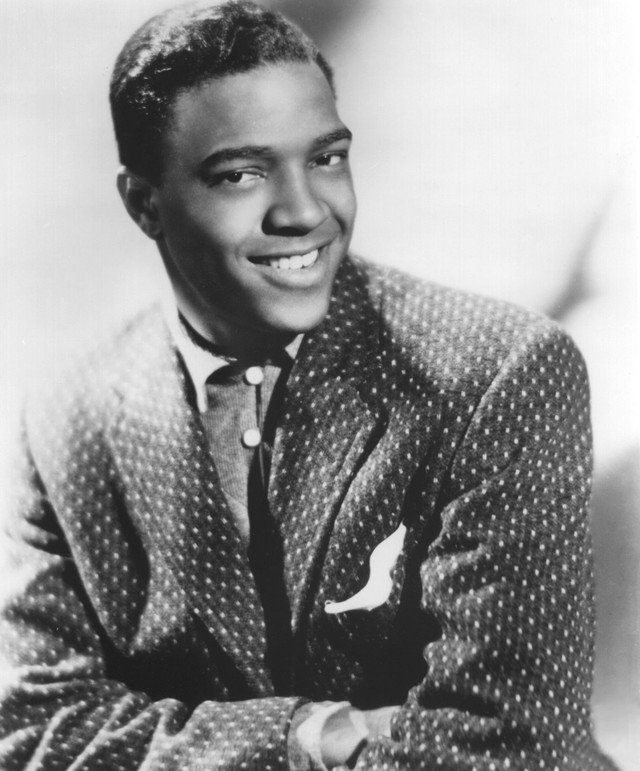
Marv Johnson’s Spotify BioBest remembered for a handful of hits including the Top Ten smashes "You Got What It Takes" and "I Love the Way You Love," Marv Johnson was also a seminal figure in the early history of Motown Records. Marvin Earl Johnson was born in Detroit, Michigan in 1938, and was raised in a musical environment that mixed the gospel music of the Baptist church with the jump-jazz of Louis Jordan & His Tympany 5. By the time he was in high school he had joined a local singing group, playing carnivals and fairs. In 1958, he cut his first sides, "My Baby-O" and "Once Upon a Time;" the single failed to sell, but the recording session resulted in a meeting with songwriter and would-be record producer Berry Gordy.
After Johnson played his original song "Come to Me" for Gordy and his future wife Raynoma, the couple chose Johnson as the first artist for their fledgling record label, Tamla. Because the new label didn't have distribution outside of Detroit, "Come to Me" (credited to Gordy and Johnson) was… released nationally by United Artists, and rose to number six on the R&B charts and number 30 on the pop charts. Gordy soon lost direct control of his first discovery after United Artists signed Johnson directly, but continued as the singer's manager. Johnson also toured with Motown acts such as the Miracles in addition to appearing on Alan Freed's rock & roll revues and media venues such as American Bandstand, and joined early package tours and stage revues where he shared bills with his idols Sam Cooke and Jackie Wilson.
Johnson's second single fared poorly, but his third, 1959's "You've Got What It Takes," exploded onto the charts, becoming a Top Ten hit and earning a gold record. The 1960 follow-up "I Love the Way You Love" also landed in the Top Ten; among his subsequent singles, "You've Got to Move Two Mountains" was a more pop-flavored effort that reached the Top 20, while "Happy Days" got to number seven on the R&B charts late in 1960. "Merry-Go-Round," issued in early 1961, was Johnson's last chart success.
In 1965, with the British Invasion in full swing, Johnson's contract was dropped by United Artists; he finally came "home" to Motown, joining the Gordy label, but never enjoyed another American hit, although he earned a British gold record with "I'll Pick a Rose for My Rose" for Tamla in 1968. He later worked in a front-office job for Motown, and also wrote songs for Tyrone Davis and Johnny Taylor. Johnson's recording career ended in the late '60s, but he never stopped performing, and remained active on-stage into the early '90s. Johnson died from a stroke at a concert in Columbia, South Carolina on May 16, 1993. ~ Bruce Eder, Rovi
Viberate is a music analytics platform built for A&Rs, artist managers, labels, booking agents, marketers, and artists.
It helps music professionals track artist growth, analyze audience data, monitor playlist activity, compare artists, follow song performance, and identify opportunities across the music market.
Public artist pages provide a free preview of selected artist data. Paid plans provide access to deeper analytics, historical data, charts, comparisons, playlist tools, exports, alerts, reports, and additional professional features.
Yes. Public Viberate artist pages provide selected artist analytics and music data for free.
Viberate also offers a 7-day free trial of the full platform. A credit card is required to start the trial. The trial includes access to the complete product so users can test deeper artist analytics, historical views, playlist insights, comparisons, charts, exports, alerts, and reporting features before choosing a paid plan.
Viberate provides artist analytics across streaming, playlists, social media, video, radio airplay, songs, and audience markets.
Users can analyze Spotify performance, Spotify and Apple Music playlists, YouTube activity, TikTok and Instagram growth, radio spins, song performance, audience locations, demographics, rankings, and overall artist momentum.
Artist profiles also connect to music charts, similar artists, and comparison tools, helping users benchmark performance and evaluate artists in context.
Viberate updates key artist and track data daily.
For followed artists and tracks, selected data is refreshed multiple times per day. This helps teams monitor playlist changes, streaming movement, audience growth, releases, and campaign performance with more current data.
Update frequency can vary depending on the metric and data source.
Yes. Viberate lets users compare up to five artists side by side across streaming, social media, audience, and engagement metrics.
Users can compare fanbase growth, audience demographics, locations, Spotify performance, social metrics, and other artist data over selected time periods.
Artist comparison can be used for A&R scouting, benchmarking, booking decisions, campaign planning, and evaluating artists with similar audiences or market positions.