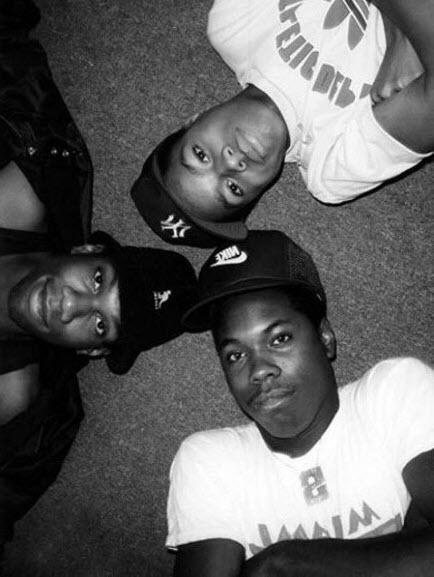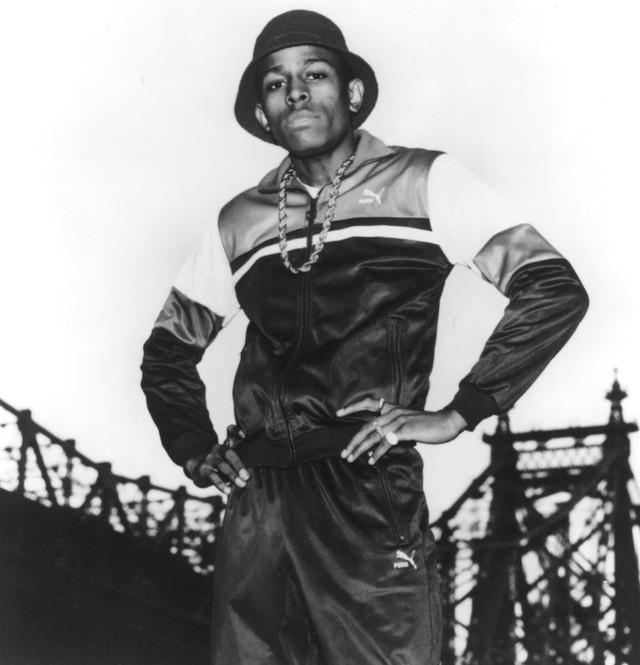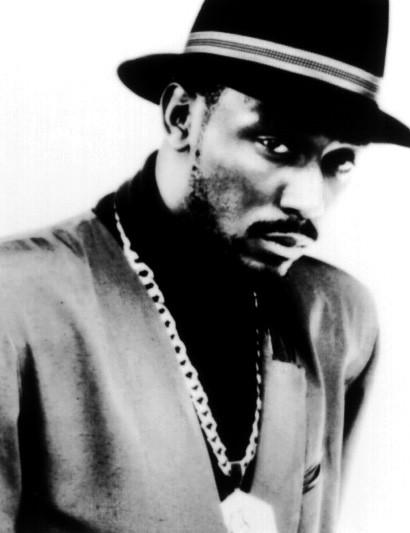
Special Ed

Hip Hop
Contemporary Hip Hop
 Viberate Rank: 54095
 Viberate Rank: 54095
 Monthly ListenersFollowers
 Subscribers
 Followers
 Followers
 FansTop Spotify Songs
| Track | 7-Day Streams | |
|---|---|---|
1 | 22.28K | |
2 | 16.45K | |
3 | 3.62K | |
4 | 3.07K | |
5 | 608 |
Top YouTube Videos| Video | 7-Day Views | |
|---|---|---|
1 | 22.21K | |
2 | 2.42K | |
3 | 2.00K | |
4 | 1.90K | |
5 | 1.80K |
Monthly ListenersFeatured in Playlists| Playlist | Followers | |
|---|---|---|
1 |  Old School Hip Hop Filtr Sweden | 779.30K |
2 |  I Love My '80s Hip-Hop Spotify | 459.54K |
3 |  Official NBA 2K27 Soundtrack 2K | 169.44K |
4 |  Boom Bap Classics Ville Kyyny | 60.44K |
5 |  RAP EN INGLÉS 🇺🇸 LO MEJOR 😋 | 55.48K |
Audience| City | Monthly Listeners | |
|---|---|---|
1 |  | 2.18K |
2 | | 2.09K |
3 | | 1.77K |
4 | | 1.28K |
5 | | 1.25K |
See full performance history, audience data, playlist activity, rankings, comparisons, and more in Viberate music analytics. Start with a free trial, then continue with a paid plan.
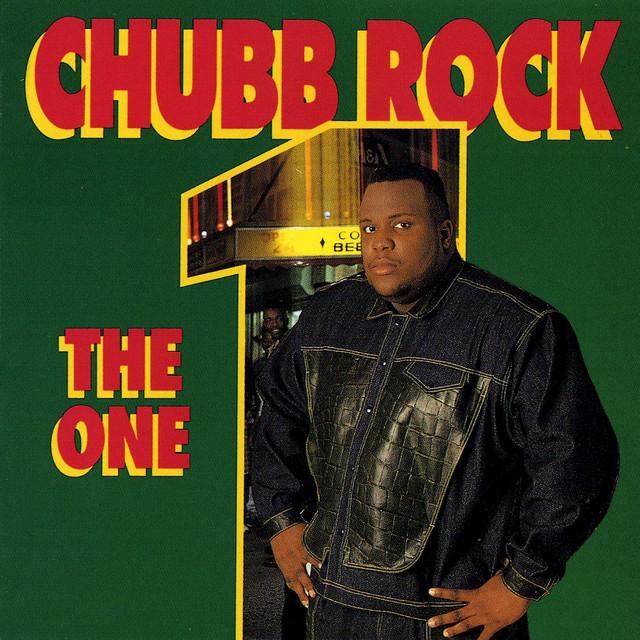
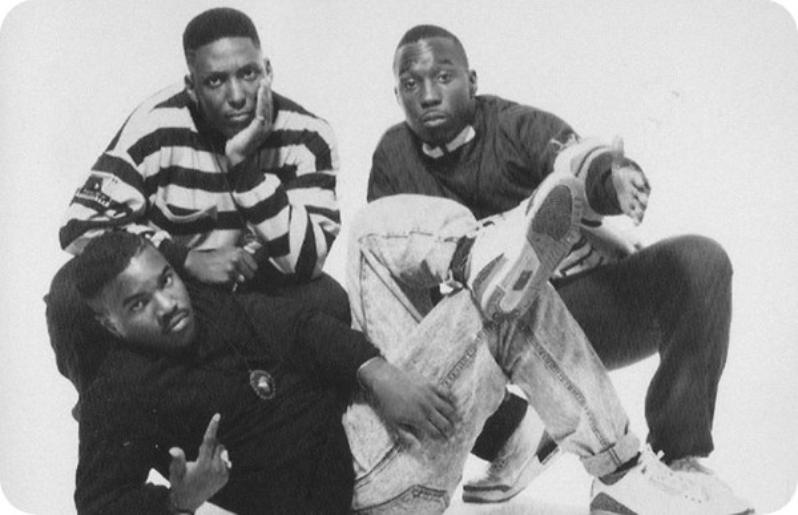
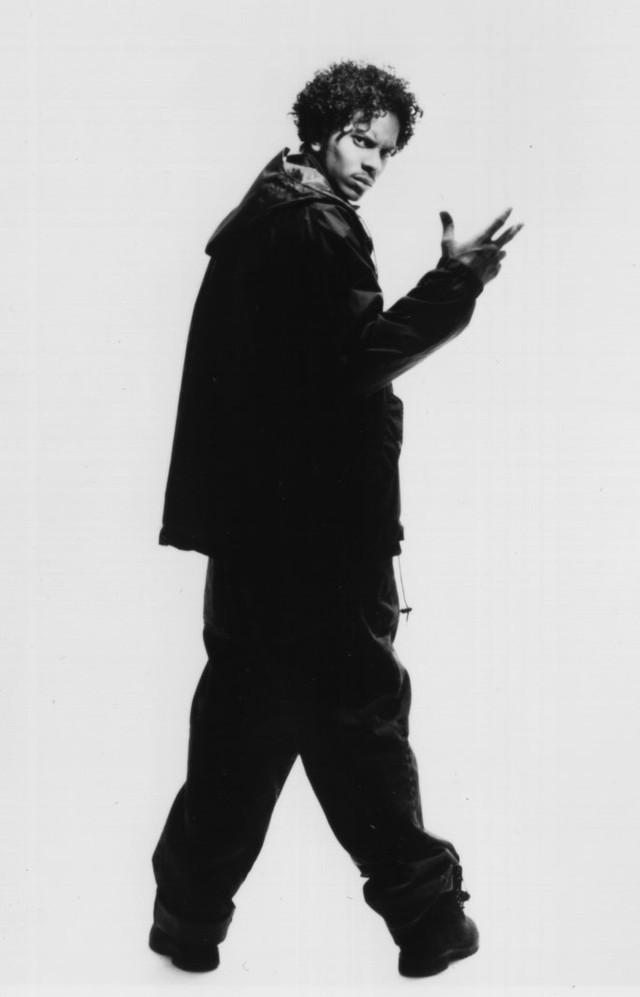
Special Ed’s Spotify BioSpecial Ed debuted with a superb, precise album, produced with numbing ferocity by Hitman Howie Tee. Archer had previously practised his lyrics in junior high school, perfecting his rhymes until he hooked up with Tee, who agreed to produce some tracks for him. These were promptly delivered to Profile Records, who immediately expressed an interest and sanctioned Special Ed's debut album. Though he was only 16 when it was released, the rhymes were mature and supremely confident; over half a million sales confirmed his arrival. There was a more romantic discourse evident on the follow-up, which while less abrasive, was still an exemplary introduction. Still largely with Tee, he produced four of the tracks himself. He also introduced a number of his friends, including his brother Drew Archer and homeboys 40-Love, Little Shawn, and DJ Akshan. There was, however, a three-year hiatus between Legal and his third album, proposed for 1993 release. According to Archer, the time was spent,… "working with groups and putting together a studio and office in Brooklyn." He also produced a track for 2Pac's Strictly 4 My N.I.G.G.A.Z. He was reported to be working with DJ Premier, Large Professor, and A Tribe Called Quest's Q-Tip on sessions for the album, while further collaborations placed him alongside Masta Ace and Buckshot (Black Moon) in the highly successful Crooklyn Dodgers project ("Crooklyn").
Viberate is a music analytics platform built for A&Rs, artist managers, labels, booking agents, marketers, and artists.
It helps music professionals track artist growth, analyze audience data, monitor playlist activity, compare artists, follow song performance, and identify opportunities across the music market.
Public artist pages provide a free preview of selected artist data. Paid plans provide access to deeper analytics, historical data, charts, comparisons, playlist tools, exports, alerts, reports, and additional professional features.
Yes. Public Viberate artist pages provide selected artist analytics and music data for free.
Viberate also offers a 7-day free trial of the full platform. A credit card is required to start the trial. The trial includes access to the complete product so users can test deeper artist analytics, historical views, playlist insights, comparisons, charts, exports, alerts, and reporting features before choosing a paid plan.
Viberate provides artist analytics across streaming, playlists, social media, video, radio airplay, songs, and audience markets.
Users can analyze Spotify performance, Spotify and Apple Music playlists, YouTube activity, TikTok and Instagram growth, radio spins, song performance, audience locations, demographics, rankings, and overall artist momentum.
Artist profiles also connect to music charts, similar artists, and comparison tools, helping users benchmark performance and evaluate artists in context.
Viberate updates key artist and track data daily.
For followed artists and tracks, selected data is refreshed multiple times per day. This helps teams monitor playlist changes, streaming movement, audience growth, releases, and campaign performance with more current data.
Update frequency can vary depending on the metric and data source.
Yes. Viberate lets users compare up to five artists side by side across streaming, social media, audience, and engagement metrics.
Users can compare fanbase growth, audience demographics, locations, Spotify performance, social metrics, and other artist data over selected time periods.
Artist comparison can be used for A&R scouting, benchmarking, booking decisions, campaign planning, and evaluating artists with similar audiences or market positions.