Big Bill Morganfield

Blues
Blues Rock
Contemporary Blues
 Viberate Rank: 242950
 Viberate Rank: 242950
 Monthly ListenersFollowers
 Subscribers
 Followers
 Followers
 FansTop Spotify Songs
| Track | 7-Day Streams | |
|---|---|---|
1 | 339 | |
2 | 293 | |
3 | 186 | |
4 | 166 | |
5 | 91 |
Top YouTube VideosMonthly ListenersFeatured in Playlists| Playlist | Followers | |
|---|---|---|
1 |  Whiskey Blues 🥃 Тhe Original | The Best Slow Blues / Blues Rock Don's Tunes | 85.92K |
2 |  Don's Tunes | Blues & Jazz Playlist | Official Don's Tunes | 50.97K |
3 |  Blues Ballads/ Slow Blues Joar Fosså | 39.54K |
4 | Slow Blues The Blues Room | 28.09K |
5 |  Slow Blues & Blues Rock | Don's Tunes Don's Tunes | 19.74K |
Audience| City | Monthly Listeners | |
|---|---|---|
1 |  | 41 |
2 |  | 34 |
3 | | 32 |
4 |  | 31 |
5 |  | 26 |
See full performance history, audience data, playlist activity, rankings, comparisons, and more in Viberate music analytics. Start with a free trial, then continue with a paid plan.
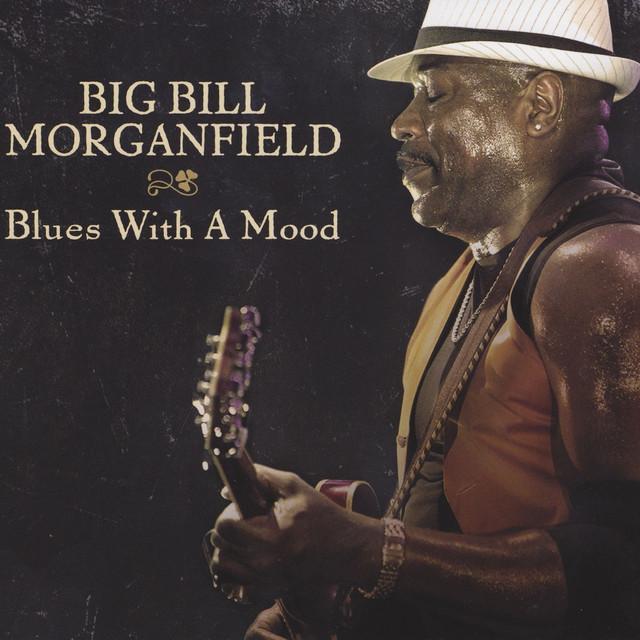
Big Bill Morganfield’s Spotify BioMany men try to fill their father's shoes when they join the family business. Few, however, must prove they are up to the task in front of an audience as large as the one that watched Big Bill Morganfield. Blues lovers the world over revere his late father, Muddy Waters.
Morganfield didn't take up the challenge until several years after his dad passed away in 1983. When he realized he wanted to delve into the world of blues as his father had, he purchased a guitar, intending to pay homage to the legendary Waters, whose real name was McKinley Morganfield. That tribute was six long years in coming, years that Morganfield spent teaching himself how to play the instrument. An evening spent playing at Center Stage in Atlanta with Lonnie Mack followed. The audience, which numbered 1000, went wild over the performance and set the novice musician's spirit afire.
He went on to establish a contemporary blues group, but abandoned the idea after several months. Dissatisfied with the music he was… making, he pulled back from performing to further hone his skills. He concentrated on traditional blues and also learned how to write songs. During this time, Morganfield supported himself by teaching. He possesses degrees in English and communications, which he earned at Tuskegee University and Auburn University, respectively.
The years of dedication and hard work paid off handsomely. Morganfield's debut album, Rising Son, was released in 1999 to popular and critical acclaim. The magazine Guitar Player expressed their belief that Morganfield's album would have brought a smile to his father's face. The following year, the W.C. Handy Awards dubbed Waters' son the Best New Blues Artist.
Morganfield recorded Rising Son in Chicago, the site of many of Waters' recording sessions. Bob Margolin, Waters' guitarist, served as producer and also appeared on the album. Featured were several of Waters' bandmates, including: drummer Willie "Big Eyes" Smith, piano player Pinetop Perkins, and harmonica player Paul Oscher. Also in attendance was blues bassist Robert Stroger, an ex-member of Sunnyland Slim's band.
Ramblin' Mind, Morganfield's second album, featured an appearance by Taj Mahal on two songs, which also featured Billy Branch on harmonica. Mahal also contributed his original composition "Strong Man Holler" to the album. One of Waters' songs, "You're Gonna Miss Me," also was included.
Morganfield grew up in Florida, where he resided with his grandmother, and later made his home in Atlanta. He performed in a tribute to his father staged at the Kennedy Center in Washington, D.C. He kept in his possession his father's guitars and a touring amp. ~ Linda Seida, Rovi
Viberate is a music analytics platform built for A&Rs, artist managers, labels, booking agents, marketers, and artists.
It helps music professionals track artist growth, analyze audience data, monitor playlist activity, compare artists, follow song performance, and identify opportunities across the music market.
Public artist pages provide a free preview of selected artist data. Paid plans provide access to deeper analytics, historical data, charts, comparisons, playlist tools, exports, alerts, reports, and additional professional features.
Yes. Public Viberate artist pages provide selected artist analytics and music data for free.
Viberate also offers a 7-day free trial of the full platform. A credit card is required to start the trial. The trial includes access to the complete product so users can test deeper artist analytics, historical views, playlist insights, comparisons, charts, exports, alerts, and reporting features before choosing a paid plan.
Viberate provides artist analytics across streaming, playlists, social media, video, radio airplay, songs, and audience markets.
Users can analyze Spotify performance, Spotify and Apple Music playlists, YouTube activity, TikTok and Instagram growth, radio spins, song performance, audience locations, demographics, rankings, and overall artist momentum.
Artist profiles also connect to music charts, similar artists, and comparison tools, helping users benchmark performance and evaluate artists in context.
Viberate updates key artist and track data daily.
For followed artists and tracks, selected data is refreshed multiple times per day. This helps teams monitor playlist changes, streaming movement, audience growth, releases, and campaign performance with more current data.
Update frequency can vary depending on the metric and data source.
Yes. Viberate lets users compare up to five artists side by side across streaming, social media, audience, and engagement metrics.
Users can compare fanbase growth, audience demographics, locations, Spotify performance, social metrics, and other artist data over selected time periods.
Artist comparison can be used for A&R scouting, benchmarking, booking decisions, campaign planning, and evaluating artists with similar audiences or market positions.