Paul Oscher

Blues
Contemporary Blues
 Viberate Rank: 344324
 Viberate Rank: 344324
 Monthly ListenersFollowers
 Subscribers
 Followers
 Followers
 FansTop Spotify Songs
| Track | 7-Day Streams | |
|---|---|---|
1 | 590 | |
2 | 185 | |
3 | 108 | |
4 | 44 | |
5 | 42 |
Top YouTube VideosMonthly ListenersFeatured in Playlists| Playlist | Followers | |
|---|---|---|
1 | Blues Harmonica Mikael Levinsson | 33.48K |
2 |  Slow Deep Blues 🕳 Mr. Groove | 24.22K |
3 |  Slow Blues & Blues Rock | Don's Tunes Don's Tunes | 19.74K |
4 |  Blues, Rock´n Roll and Boogie Woogie 1 Urban Mathiasson | 2.92K |
5 |  Melhores Blues e Jazz sandrinhodasilva1982 | 2.80K |
Audience| City | Monthly Listeners | |
|---|---|---|
1 |  | 41 |
2 |  | 31 |
3 |  | 29 |
4 |  | 26 |
5 | | 22 |
See full performance history, audience data, playlist activity, rankings, comparisons, and more in Viberate music analytics. Start with a free trial, then continue with a paid plan.
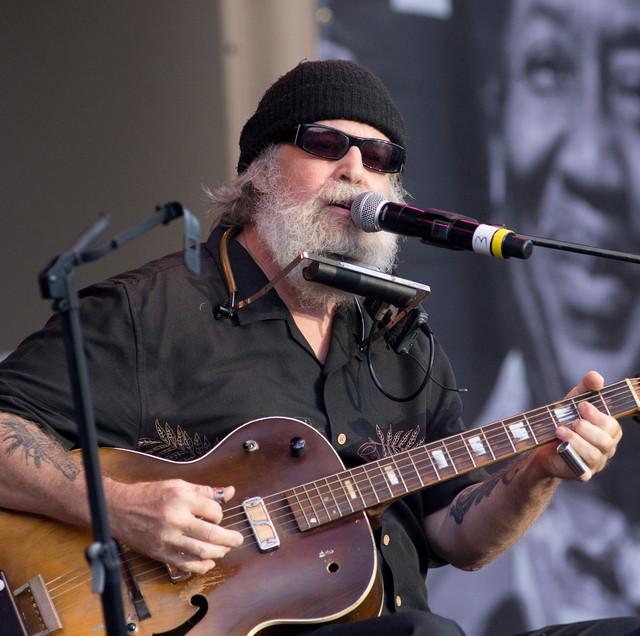
Paul Oscher’s Spotify BioBluesman Paul Oscher started his career practically at the top: in 1967, when the harmonica player was 17 years old, he joined Muddy Waters' band. It would be decades until Oscher began his solo career in earnest, but he made up for lost time, becoming a first-rate performer who also mastered vocals, guitar, and keyboards. Oscher's style is steeped in classic Chicago blues, showing off the strong influence of the artists he knew and toured with, and his songs lock into a steady groove that gives his performances an evocative late-night vibe. His solo debut, 1996's Knockin' on the Devil's Door, showed how much he learned during his years out of the spotlight, and 2004's Alone With the Blues and 2018's Cool Cat were strong exercises in old-school blues.
Paul Oscher was born in Brooklyn, New York on February 26, 1947. His father encouraged him to play the accordion as a youngster, but it was after his uncle gave him a harmonica when he was 12 that he began taking music seriously. Oscher… worked part-time delivering groceries and was waiting for an order when a customer saw him trying to play "Red River Valley" on his new harmonica. That customer turned out to be an experienced blues musician and gave the kid some tips on how to play the harp. Oscher began practicing day and night, and by the time he was 15, he was good enough to start playing professionally with guitarist Little Jimmy Mae. Mae introduced Oscher to Muddy Waters backstage at a show at the Apollo Theater, and when Muddy heard him play at a party after the concert, he got Paul's phone number and told him to keep in touch. In 1967, Waters played a show in New York and his harmonica player couldn't make the gig. Oscher was invited to sit in, and after hearing him play "Baby Please Don't Go" and "Blow Wind Blow," Waters offered him a spot in his band. The first white player to join the band, Oscher relocated to Chicago and lived in a basement room at Waters' house; Otis Spann also had a room there and showed his bandmate how to play piano. Oscher also taught himself to play guitar using Waters as his guide.
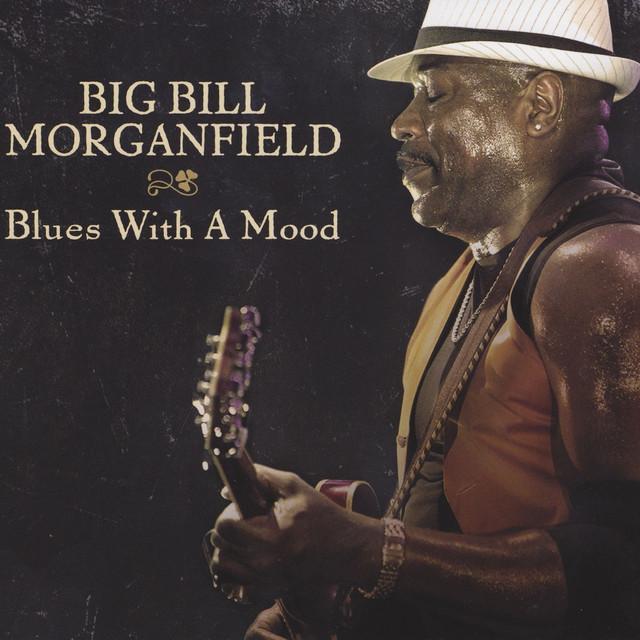
Oscher recorded and toured with Muddy Waters until 1971, when he left the band and moved back to New York. He gigged around the Big Apple under the name Brooklyn Slim, and joined Louisiana Red's band for a tour of Europe in 1976. He also formed a band that played out regularly and backed up legends like Big Joe Turner, Doc Pomus, and Big Walter Horton. Oscher maintained a low profile throughout the '80s and early '90s, but in 1996 he returned to action with his first solo album, 1996's Knockin' on the Devil's Door, followed later the same year by The Deep Blues of Paul Oscher. In 1998, he made a guest appearance on Shadow of the Blues by Little Charlie and the Nightcats, and he backed Big Bill Morganfield -- Waters' son -- on his 1999 release Rising Son.
In 2000, Oscher brought out an album in collaboration with Steve Guyger, Living Legends, and in 2003 was part of the All-Star cast that backed up former Howlin' Wolf guitarist Hubert Sumlin on the album About Them Shoes. Alone with the Blues was released in 2004, and that same year he appeared on The New Danger by Mos Def, performing on and co-writing "Bedstuy Parade & Funeral March." Oscher's album Down in the Delta came out in 2005, and the following year he appeared on Keb' Mo''s Suitcase. Oscher dropped out of music for a while, with only the 2010 Bet on the Blues release to tide fans over. After relocating to Austin, Texas, where he reconnected with old friend James Cotton, Oscher began performing again, and in time was back to a steady schedule of gigging, with 2018's Cool Cat confirming his comeback.
On April 18, 2021, Oscher passed away in Austin, Texas after an extended hospitalization during the COVID-19 pandemic. ~ Mark Deming, Rovi
Viberate is a music analytics platform built for A&Rs, artist managers, labels, booking agents, marketers, and artists.
It helps music professionals track artist growth, analyze audience data, monitor playlist activity, compare artists, follow song performance, and identify opportunities across the music market.
Public artist pages provide a free preview of selected artist data. Paid plans provide access to deeper analytics, historical data, charts, comparisons, playlist tools, exports, alerts, reports, and additional professional features.
Yes. Public Viberate artist pages provide selected artist analytics and music data for free.
Viberate also offers a 7-day free trial of the full platform. A credit card is required to start the trial. The trial includes access to the complete product so users can test deeper artist analytics, historical views, playlist insights, comparisons, charts, exports, alerts, and reporting features before choosing a paid plan.
Viberate provides artist analytics across streaming, playlists, social media, video, radio airplay, songs, and audience markets.
Users can analyze Spotify performance, Spotify and Apple Music playlists, YouTube activity, TikTok and Instagram growth, radio spins, song performance, audience locations, demographics, rankings, and overall artist momentum.
Artist profiles also connect to music charts, similar artists, and comparison tools, helping users benchmark performance and evaluate artists in context.
Viberate updates key artist and track data daily.
For followed artists and tracks, selected data is refreshed multiple times per day. This helps teams monitor playlist changes, streaming movement, audience growth, releases, and campaign performance with more current data.
Update frequency can vary depending on the metric and data source.
Yes. Viberate lets users compare up to five artists side by side across streaming, social media, audience, and engagement metrics.
Users can compare fanbase growth, audience demographics, locations, Spotify performance, social metrics, and other artist data over selected time periods.
Artist comparison can be used for A&R scouting, benchmarking, booking decisions, campaign planning, and evaluating artists with similar audiences or market positions.