The O'Jays

R&B
Contemporary R&B
Soul
 Viberate Rank: 6338
 Viberate Rank: 6338
 Monthly ListenersFollowers
 Subscribers
 Followers
 Followers
 FansTop Spotify Songs
| Track | 7-Day Streams | |
|---|---|---|
1 | 388.86K | |
2 | 146.11K | |
3 | 146.11K | |
4 | 121.39K | |
5 | 88.20K |
Top YouTube VideosMonthly ListenersFeatured in Playlists| Playlist | Followers | |
|---|---|---|
1 |  Feelin' Good Spotify | 3.58M |
2 |  Funk & Soul Classics Spotify | 1.91M |
3 |  70s Soul Classics Spotify | 1.88M |
4 |  Disco Forever Spotify | 1.62M |
5 |  Sweet Soul Chillout Spotify | 1.42M |
Audience| City | Monthly Listeners | |
|---|---|---|
1 |  | 87.69K |
2 | | 47.00K |
3 |  | 33.20K |
4 | | 27.33K |
5 | | 26.55K |
See full performance history, audience data, playlist activity, rankings, comparisons, and more in Viberate music analytics. Start with a free trial, then continue with a paid plan.
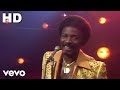
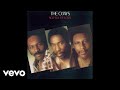
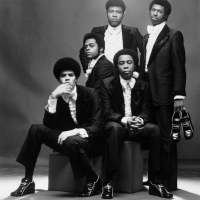
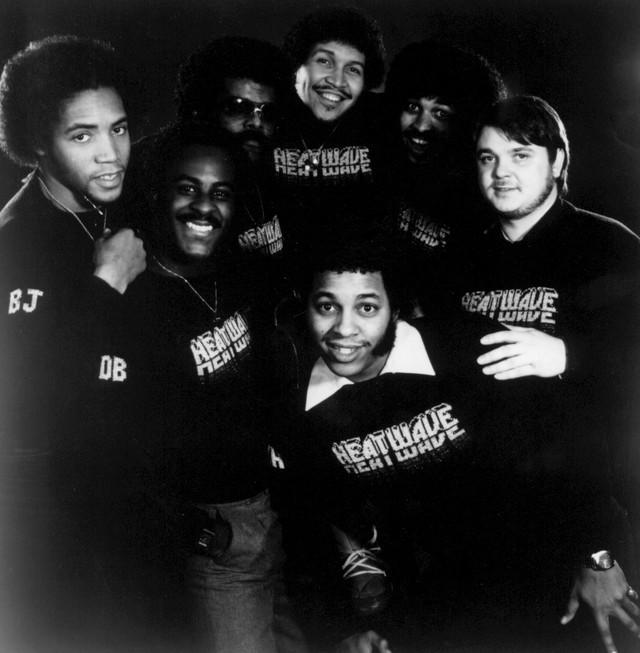
The O'Jays’ Spotify BioWalter Williams and Eddie Levert first met when they were the ages of 6 and 7, respectively. As teenagers in Canton, Ohio, they formed a band originally consisting of Eddie Levert, Walter Williams, William Powell, Bobby Massey and Bill Isles. In 1963, the band took the name "The O'Jays" in tribute to Cleveland radio disc jockey Eddie O'Jay. Several members have changed, but the core, original lead singers, Eddie Levert and Walter Williams, continue to front the group.
In 1972, Gamble & Huff, a team of producers and songwriters with whom the O'Jays had been working for several years, signed the group to their Philadelphia International label. With this magic formula, The O’Jays scored the first #1 hit, “Backstabbers.” Subsequently, they succeeded with various chart-topping pop and R&B singles including “Love Train”, “For The Love of Money”, “I Love Music”, “Darlin’ Darlin’ Baby”, “Livin’ For The Weekend” and “Use Ta Be My Girl”.
The O'Jays were inducted into the Rock & Roll Hall of… Fame and Vocal Group Hall of Fame in 2005 and were honored with BET's Life Time Achievement Award in 2009. In 2013, they were inducted into the Official R&B Music Hall of Fame.
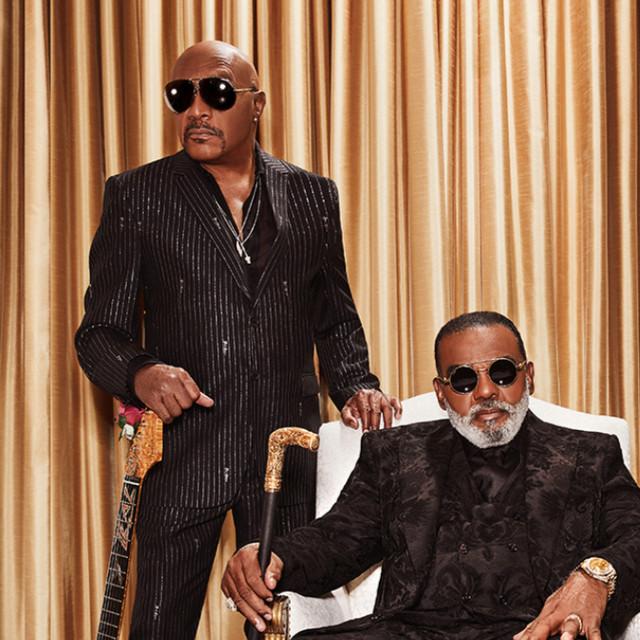
Eddie Levert Sr., Walter Williams Sr. and Eric Nolan Grant, who joined the group in 1995, continue to thrill fans today. Throughout their career The O'Jays have achieved 10 Gold albums, 9 Platinum albums and 10 #1 hits. It's been a long journey but thanks to the fans, the LOVE TRAIN is still going strong!
Viberate is a music analytics platform built for A&Rs, artist managers, labels, booking agents, marketers, and artists.
It helps music professionals track artist growth, analyze audience data, monitor playlist activity, compare artists, follow song performance, and identify opportunities across the music market.
Public artist pages provide a free preview of selected artist data. Paid plans provide access to deeper analytics, historical data, charts, comparisons, playlist tools, exports, alerts, reports, and additional professional features.
Yes. Public Viberate artist pages provide selected artist analytics and music data for free.
Viberate also offers a 7-day free trial of the full platform. A credit card is required to start the trial. The trial includes access to the complete product so users can test deeper artist analytics, historical views, playlist insights, comparisons, charts, exports, alerts, and reporting features before choosing a paid plan.
Viberate provides artist analytics across streaming, playlists, social media, video, radio airplay, songs, and audience markets.
Users can analyze Spotify performance, Spotify and Apple Music playlists, YouTube activity, TikTok and Instagram growth, radio spins, song performance, audience locations, demographics, rankings, and overall artist momentum.
Artist profiles also connect to music charts, similar artists, and comparison tools, helping users benchmark performance and evaluate artists in context.
Viberate updates key artist and track data daily.
For followed artists and tracks, selected data is refreshed multiple times per day. This helps teams monitor playlist changes, streaming movement, audience growth, releases, and campaign performance with more current data.
Update frequency can vary depending on the metric and data source.
Yes. Viberate lets users compare up to five artists side by side across streaming, social media, audience, and engagement metrics.
Users can compare fanbase growth, audience demographics, locations, Spotify performance, social metrics, and other artist data over selected time periods.
Artist comparison can be used for A&R scouting, benchmarking, booking decisions, campaign planning, and evaluating artists with similar audiences or market positions.