Leo Parker

Jazz
Bebop
Swing
 Viberate Rank: 306843
 Viberate Rank: 306843
 Monthly ListenersFollowers
 Subscribers
 Followers
 Followers
 FansTop Spotify Songs
| Track | 7-Day Streams | |
|---|---|---|
1 | 1.31K | |
2 | 1.31K | |
3 | 760 | |
4 | 760 | |
5 | 466 |
Top YouTube VideosMonthly ListenersFeatured in Playlists| Playlist | Followers | |
|---|---|---|
1 |  Saxophone Classics Spotify | 142.16K |
2 |  Midnight Jazz Bar 🍸 by Don's Tunes Don's Tunes | 11.61K |
3 |  Relaxing Jazz: Soothing Sounds of Saxophone For Relax Dea Records | 10.40K |
4 |  Soul Jazz Blue Note Records | 10.12K |
5 | Happy Feel Good Jazz Jared Hubbell | 4.56K |
Audience| City | Monthly Listeners | |
|---|---|---|
1 | | 90 |
2 | | 66 |
3 | | 55 |
4 |  | 49 |
5 |  | 42 |
See full performance history, audience data, playlist activity, rankings, comparisons, and more in Viberate music analytics. Start with a free trial, then continue with a paid plan.
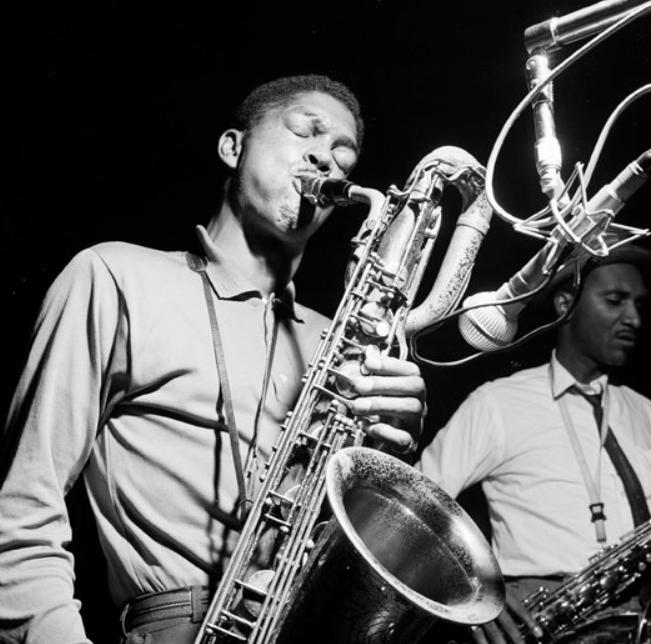
Leo Parker’s Spotify BioLeo Parker was the proud owner of a big, beefy baritone sax tone and a fluent technique that struck a great match between the gritty, down-home feeling of R&B and the advanced harmonies of bebop. At first, he studied alto in high school, even recording with Coleman Hawkins' early bebop band at age 18 on that instrument in 1944. But upon joining the legendary Billy Eckstine bop band in 1944-1945 and 1946, Parker switched to baritone and began to garner notice. He worked with Dizzy Gillespie's band on 52nd Street in 1946 and Illinois Jacquet's group in 1947-1948, and recorded with Fats Navarro, J.J. Johnson, Dexter Gordon, and Sir Charles Thompson; he scored a hit with Thompson, "Mad Lad," on the Apollo label. Parker seemed to be on his way, but drug problems -- an epidemic in the bop community -- kept interfering with his career, and he recorded only sporadically in the 1950s. In September and October 1961, Parker began a comeback on the Blue Note label with two lively albums that… successfully combined his blues, gospel, and bop backgrounds. But only a few months later, a heart attack felled him at the age of 36. ~ Richard S. Ginell, Rovi
Viberate is a music analytics platform built for A&Rs, artist managers, labels, booking agents, marketers, and artists.
It helps music professionals track artist growth, analyze audience data, monitor playlist activity, compare artists, follow song performance, and identify opportunities across the music market.
Public artist pages provide a free preview of selected artist data. Paid plans provide access to deeper analytics, historical data, charts, comparisons, playlist tools, exports, alerts, reports, and additional professional features.
Yes. Public Viberate artist pages provide selected artist analytics and music data for free.
Viberate also offers a 7-day free trial of the full platform. A credit card is required to start the trial. The trial includes access to the complete product so users can test deeper artist analytics, historical views, playlist insights, comparisons, charts, exports, alerts, and reporting features before choosing a paid plan.
Viberate provides artist analytics across streaming, playlists, social media, video, radio airplay, songs, and audience markets.
Users can analyze Spotify performance, Spotify and Apple Music playlists, YouTube activity, TikTok and Instagram growth, radio spins, song performance, audience locations, demographics, rankings, and overall artist momentum.
Artist profiles also connect to music charts, similar artists, and comparison tools, helping users benchmark performance and evaluate artists in context.
Viberate updates key artist and track data daily.
For followed artists and tracks, selected data is refreshed multiple times per day. This helps teams monitor playlist changes, streaming movement, audience growth, releases, and campaign performance with more current data.
Update frequency can vary depending on the metric and data source.
Yes. Viberate lets users compare up to five artists side by side across streaming, social media, audience, and engagement metrics.
Users can compare fanbase growth, audience demographics, locations, Spotify performance, social metrics, and other artist data over selected time periods.
Artist comparison can be used for A&R scouting, benchmarking, booking decisions, campaign planning, and evaluating artists with similar audiences or market positions.