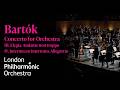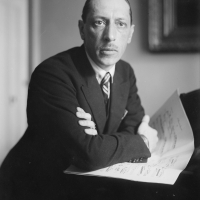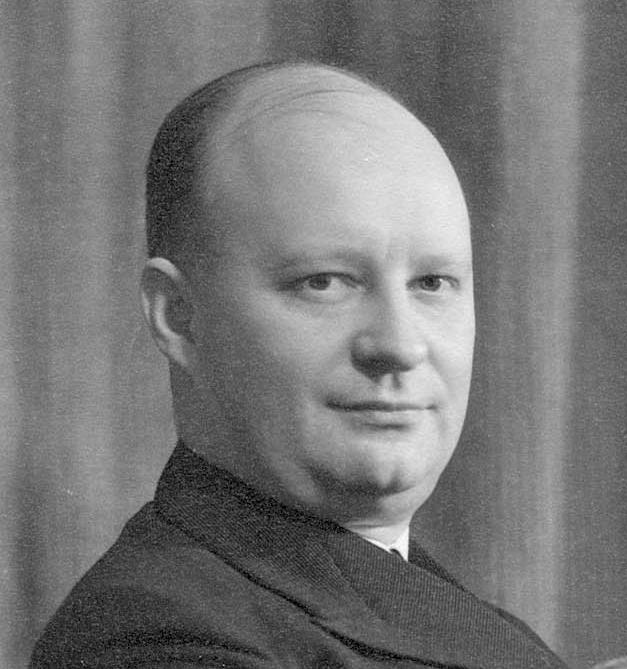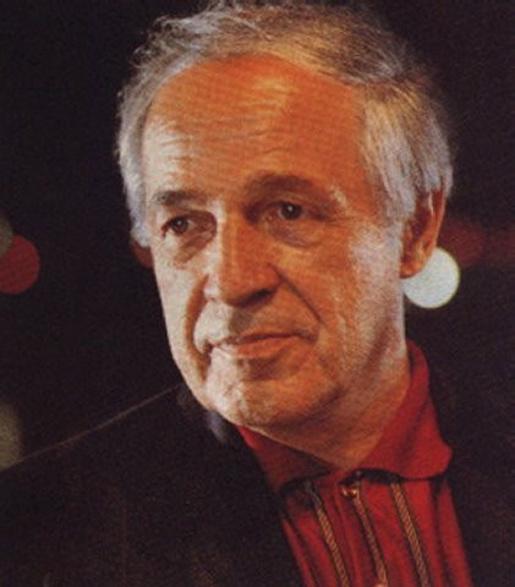
Béla Bartók

Classical
Chamber Music
Orchestral
Classical Crossover
 Viberate Rank: 73373
 Viberate Rank: 73373
 Monthly ListenersFollowers
 Subscribers
 Followers
 Followers
 FansTop Spotify Songs
| Track | 7-Day Streams | |
|---|---|---|
1 | 21.43K | |
2 | 9.00K | |
3 | 6.60K | |
4 | 1.67K | |
5 | 1.62K |
Top YouTube VideosMonthly ListenersFeatured in Playlists| Playlist | Followers | |
|---|---|---|
1 |  New Classical Spotify | 760.91K |
2 |  Opera Classics Spotify | 605.42K |
3 |  Classical Moments in Movies Spotify | 445.76K |
4 |  dark classical music edendawni | 101.65K |
5 |  1000 Recordings to Hear Before You Die (Tom Moon): Album Index Ulysses' Classical | 94.30K |
Audience| City | Monthly Listeners | |
|---|---|---|
1 |  | 3.21K |
2 |  | 3.19K |
3 | | 2.34K |
4 |  | 2.26K |
5 |  | 2.10K |
See full performance history, audience data, playlist activity, rankings, comparisons, and more in Viberate music analytics. Start with a free trial, then continue with a paid plan.
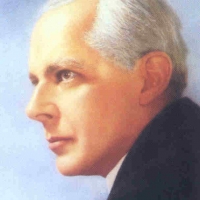
Béla Bartók’s Spotify BioThrough his far-reaching endeavors as composer, performer, educator, and ethnomusicologist, Béla Bartók emerged as one of the most forceful and influential musical personalities of the 20th century.
Born in Nagyszentmiklós, Hungary (now Romania), on March 25, 1881, Bartók began his musical training with piano studies at the age of five, foreshadowing his lifelong affinity for the instrument. Following his graduation from the Royal Academy of Music in 1901 and the composition of his first mature works -- most notably, the symphonic poem Kossuth (1903) -- Bartók embarked on one of the classic field studies in the history of ethnomusicology. With fellow countryman and composer Zoltán Kodály, he traveled throughout Hungary and neighboring countries, collecting thousands of authentic folk songs. Bartók's immersion in this music lasted for decades, and the intricacies he discovered therein, from plangent modality to fiercely aggressive rhythms, exerted a potent influence on his own musical… language.
In addition to his compositional activities and folk music research, Bartók's career unfolded amid a bustling schedule of teaching and performing. The great success he enjoyed as a concert artist in the 1920s was offset somewhat by difficulties that arose from the tenuous political atmosphere in Hungary, a situation exacerbated by the composer's frank manner. As the specter of fascism in Europe in the 1930s grew ever more sinister, he refused to play in Germany and banned radio broadcasts of his music there and in Italy. A concert in Budapest on October 8, 1940, was the composer's farewell to the country which had provided him so much inspiration and yet caused him so much grief. Days later, Bartók and his wife set sail for America.
In his final years, Bartók was beleaguered by poor health. Though his prospects seemed sunnier in the final year of his life, his last great hope -- to return to Hungary -- was dashed in the aftermath of World War II. He died of leukemia in New York on September 26, 1945. The composer's legacy included a number of ambitious but unrealized projects, including a Seventh String Quartet; two major works, the Viola Concerto and the Piano Concerto No. 3, were completed from Bartók's in-progress scores and sketches by his pupil, Tibor Serly.
From its roots in the music he performed as a pianist -- Mozart, Beethoven, Chopin, Brahms -- Bartók's own style evolved through several stages into one of the most distinctive and influential musical idioms of the first half of the 20th century. The complete assimilation of elements from varied sources -- the Classical masters, contemporaries like Debussy, folk songs -- is one of the signal traits of Bartók's music. The polychromatic orchestral textures of Richard Strauss had an immediate and long-lasting effect upon Bartók's own instrumental sense, evidenced in masterpieces such as Music for Strings, Percussion, and Celesta (1936) and the Concerto for Orchestra (1945). Bartók demonstrated an especial concern with form in his exploitation and refinement of devices like palindromes, arches, and proportions based on the "golden section." Perhaps above all other elements, though, it is the ingenious application of rhythm that gives Bartók's music its keen edge. Inspired by the folk music he loved, Bartók infused his works with asymmetrical, sometimes driving, often savage, rhythms which supply violent propulsion to works such as Allegro barbaro (1911) and the Sonata for Two Pianos and Percussion (1937). If a single example from Bartók's catalog can be regarded as representative, it is certainly the piano collection Mikrokosmos (1926-1939), originally intended as a progressive keyboard primer for the composer's son, Peter. These six volumes, comprising 153 pieces, remain valuable not only as a pedagogical tool but as an exhaustive glossary of the techniques -- melodic, harmonic, rhythmic, formal -- that provided a vessel for Bartók's extraordinary musical personality.
Viberate is a music analytics platform built for A&Rs, artist managers, labels, booking agents, marketers, and artists.
It helps music professionals track artist growth, analyze audience data, monitor playlist activity, compare artists, follow song performance, and identify opportunities across the music market.
Public artist pages provide a free preview of selected artist data. Paid plans provide access to deeper analytics, historical data, charts, comparisons, playlist tools, exports, alerts, reports, and additional professional features.
Yes. Public Viberate artist pages provide selected artist analytics and music data for free.
Viberate also offers a 7-day free trial of the full platform. A credit card is required to start the trial. The trial includes access to the complete product so users can test deeper artist analytics, historical views, playlist insights, comparisons, charts, exports, alerts, and reporting features before choosing a paid plan.
Viberate provides artist analytics across streaming, playlists, social media, video, radio airplay, songs, and audience markets.
Users can analyze Spotify performance, Spotify and Apple Music playlists, YouTube activity, TikTok and Instagram growth, radio spins, song performance, audience locations, demographics, rankings, and overall artist momentum.
Artist profiles also connect to music charts, similar artists, and comparison tools, helping users benchmark performance and evaluate artists in context.
Viberate updates key artist and track data daily.
For followed artists and tracks, selected data is refreshed multiple times per day. This helps teams monitor playlist changes, streaming movement, audience growth, releases, and campaign performance with more current data.
Update frequency can vary depending on the metric and data source.
Yes. Viberate lets users compare up to five artists side by side across streaming, social media, audience, and engagement metrics.
Users can compare fanbase growth, audience demographics, locations, Spotify performance, social metrics, and other artist data over selected time periods.
Artist comparison can be used for A&R scouting, benchmarking, booking decisions, campaign planning, and evaluating artists with similar audiences or market positions.