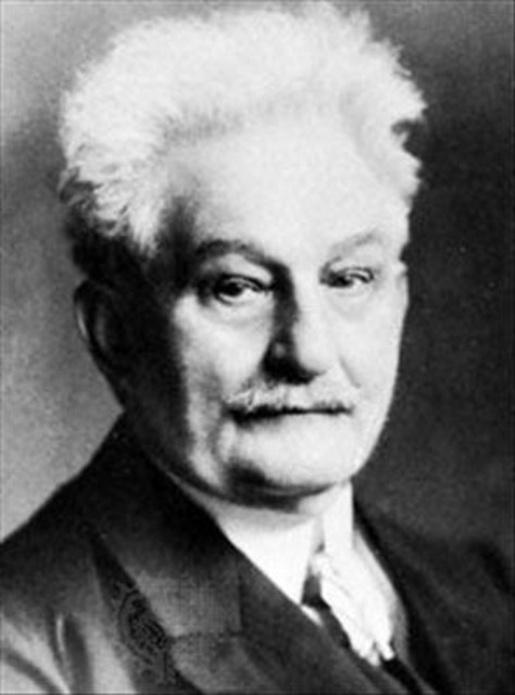
Leoš Janáček

Classical
Chamber Music
 Viberate Rank: 130618
 Viberate Rank: 130618
 Monthly ListenersFollowers
 Subscribers
 Followers
 Followers
 FansTop Spotify Songs
| Track | 7-Day Streams | |
|---|---|---|
1 | 27.03K | |
2 | 7.51K | |
3 | 6.81K | |
4 | 5.43K | |
5 | 3.90K |
Top YouTube VideosMonthly ListenersFeatured in Playlists| Playlist | Followers | |
|---|---|---|
1 |  Classical Essentials Spotify | 3.82M |
2 |  Classical Bangers 🎹🎻 Classical Bangers | 1.25M |
3 |  Dark Academia Classical Spotify | 1.00M |
4 |  Epic Classical Spotify | 705.92K |
5 |  Opera Classics Spotify | 605.42K |
Audience| City | Monthly Listeners | |
|---|---|---|
1 |  | 3.08K |
2 |  | 2.54K |
3 |  | 1.77K |
4 |  | 1.64K |
5 | | 1.61K |
See full performance history, audience data, playlist activity, rankings, comparisons, and more in Viberate music analytics. Start with a free trial, then continue with a paid plan.
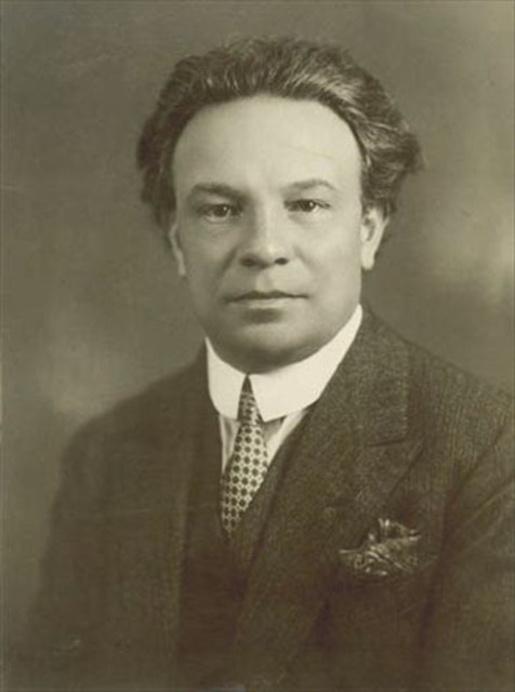
Leoš Janáček’s Spotify BioLeos Janácek (1854-1928) is regarded as the greatest Czech composer of the early twentieth century. In his early works, which included the opera Sárka (1888), and numerous vocal and instrumental works, Janácek followed a traditional, Romantic idiom, typical of late nineteenth century music. Having completed Sárka, however, Janácek immersed himself in the folk music of his native Moravia, gradually developing an original compositional style. Eschewing regular metrical phrasing, Janácek developed a declamatory method of setting the voice that follows the natural rhythmic patterns of the Czech language. Characteristically, Janácek allowed these patterns to inform the music itself. In addition, Janácek's harmonies, forms and orchestration are highly idiosyncratic. His music favors repetitive patterns, often set in stark contrast to longer, more lyrical, lines, or large blocks of sound. Dramatic effects are attained with minimal thematic or contrapuntal elaboration. The result is music of… great rhythmic drive, sharp contrasts, and an intricate, montage-like texture. Exemplifying Janácek's radical stylistic transformation is his tragic opera Jenufa (1904), based on a story of jealousy, murder, and innocence.
At first unknown outside of Moravia, where he was recognized primarily as a teacher, conductor, and champion of folk music, Janácek first gained national and international fame with the Prague production of Jenufa in 1916. The success of Jenufa in Prague tremendously energized the composer, who, in his sixties, experienced an astonishing creative surge, composing several masterpieces. Janácek's euphoric state of mind could be attributed to two factors. First of all, after the foundation, in 1918, of the Czechoslovak state, Janácek became a national celebrity. The second, and perhaps more important, factor, was Janácek's affection for Kamila Stösslová, a considerably younger married woman. While his ardor was not reciprocated, Janácek's passion for Kamila undoubtedly simulated his creativity. Janácek's modern fame rests on his four last operas, Kát'a Kabanová (1921), The Cunning Little Vixen (1924), The Makropulos Affair (1926) and the posthumously premiered From the House of the Dead (1930). What makes these works outstanding is Janácek's profound dramatic sense, which allows his operas, in spite of their brevity, to effectively communicate a complex plot. The dramatic effect is heightened by the composer's ability to adapt his music to the tonal and rhythmic characteristics of the Czech language. The last four operas in particular are perfectly paced for the right dramatic impact. In addition, Janácek drew on the inner resources of music and speech to convey complex feelings and emotional states to his listeners. Janácek's extraordinary power in translating profound psychological insights into music truly comes to the fore in The Makropoulos Affair, based on a work by Karel Capek, a story about a woman with the gift of eternal youth. In 1926, Janácek, whose early interest in Moravian folk music developed into an effort to grasp Slavic musical traditions in their totality, composed his Glagolitic Mass, a work aiming to express the profound spiritual bonds underlying the seemingly disparate cultural traditions of the Slavic nations (the term "glagolitic" refers to one of the early alphabets of Old Slavic). During his final creative period, Janácek also composed a small number of exceptional chamber works, including the two string quartets and the Sinfonietta. In addition to his work as a composer, Janácek actively contributed to his country's musical life as a teacher, critic, and organizer. Founder of the Brno Organ School (later to become the Brno Conservatory), director of the Czech Philharmonic Orchestra, teacher at the State Conservatory of Prague, and initiator of many musical festivals, Janácek greatly enriched Eastern European music education and culture.
Viberate is a music analytics platform built for A&Rs, artist managers, labels, booking agents, marketers, and artists.
It helps music professionals track artist growth, analyze audience data, monitor playlist activity, compare artists, follow song performance, and identify opportunities across the music market.
Public artist pages provide a free preview of selected artist data. Paid plans provide access to deeper analytics, historical data, charts, comparisons, playlist tools, exports, alerts, reports, and additional professional features.
Yes. Public Viberate artist pages provide selected artist analytics and music data for free.
Viberate also offers a 7-day free trial of the full platform. A credit card is required to start the trial. The trial includes access to the complete product so users can test deeper artist analytics, historical views, playlist insights, comparisons, charts, exports, alerts, and reporting features before choosing a paid plan.
Viberate provides artist analytics across streaming, playlists, social media, video, radio airplay, songs, and audience markets.
Users can analyze Spotify performance, Spotify and Apple Music playlists, YouTube activity, TikTok and Instagram growth, radio spins, song performance, audience locations, demographics, rankings, and overall artist momentum.
Artist profiles also connect to music charts, similar artists, and comparison tools, helping users benchmark performance and evaluate artists in context.
Viberate updates key artist and track data daily.
For followed artists and tracks, selected data is refreshed multiple times per day. This helps teams monitor playlist changes, streaming movement, audience growth, releases, and campaign performance with more current data.
Update frequency can vary depending on the metric and data source.
Yes. Viberate lets users compare up to five artists side by side across streaming, social media, audience, and engagement metrics.
Users can compare fanbase growth, audience demographics, locations, Spotify performance, social metrics, and other artist data over selected time periods.
Artist comparison can be used for A&R scouting, benchmarking, booking decisions, campaign planning, and evaluating artists with similar audiences or market positions.