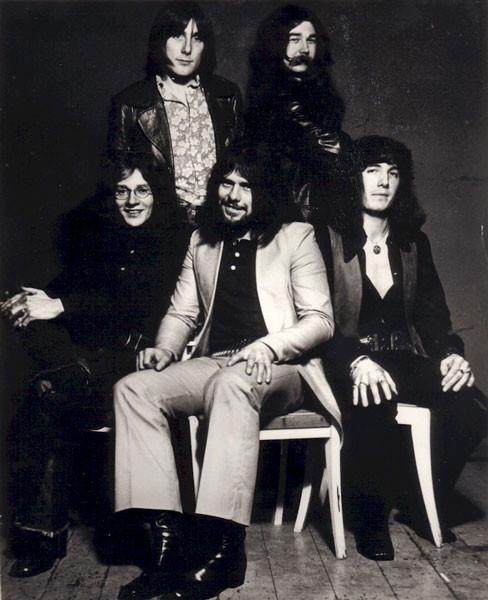
Atomic Rooster

Rock
Progressive Rock
Hard Rock
 Viberate Rank: 84393
 Viberate Rank: 84393
 Monthly ListenersFollowers
 Subscribers
 Followers
 Followers
 FansTop Spotify Songs
| Track | 7-Day Streams | |
|---|---|---|
1 | 4.98K | |
2 | 2.60K | |
3 | 2.53K | |
4 | 1.91K | |
5 | 1.85K |
Top YouTube VideosMonthly ListenersFeatured in Playlists| Playlist | Followers | |
|---|---|---|
1 |  Prog Rock Monsters Spotify | 391.03K |
2 | Best of Progressive Rock Niels N. | 51.41K |
3 |  FENRIZ METAL Gylve | 32.35K |
4 |  Cheat Sheet: J Dilla Okayplayer | 26.94K |
5 |  Art & Progressive Rock Playlist | 16.31K |
Audience| City | Monthly Listeners | |
|---|---|---|
1 | | 885 |
2 |  | 560 |
3 | | 416 |
4 |  | 374 |
5 |  | 345 |
See full performance history, audience data, playlist activity, rankings, comparisons, and more in Viberate music analytics. Start with a free trial, then continue with a paid plan.
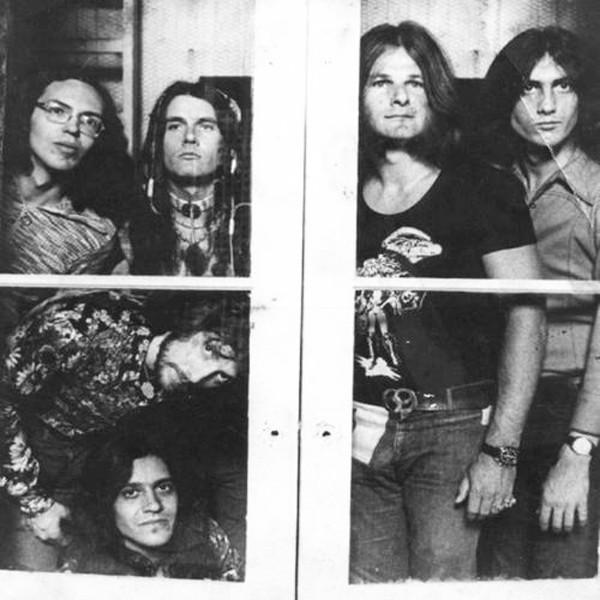
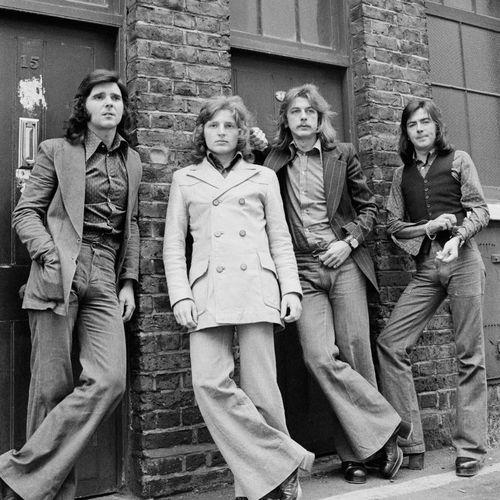
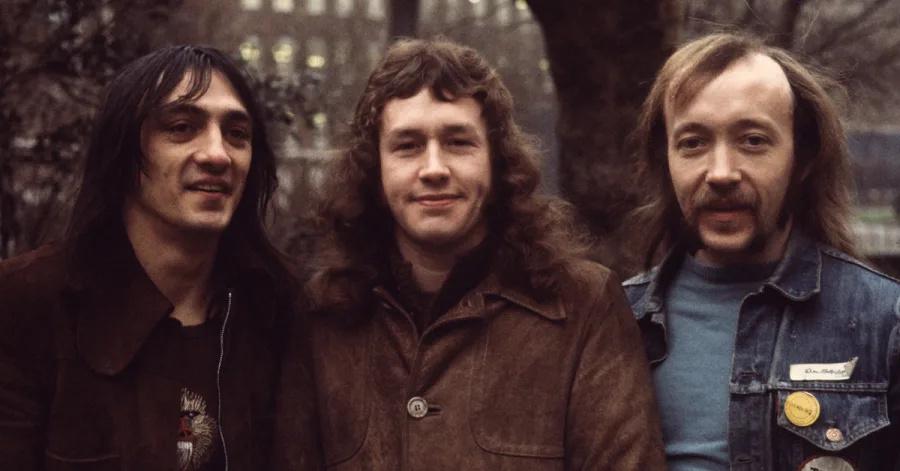
Atomic Rooster’s Spotify BioAtomic Rooster was a British progressive-rock group formed in 1969 with an original lineup of Vincent Crane (organ), Nick Graham (bass), and Carl Palmer (drums). Their debut album, Atomic Rooster, hit number 49 in the U.K. in June 1970, after which Graham and Palmer left the group. Crane maintained the name and recruited guitarist/singer John Cann and drummer Paul Hammond for the second album, Death Walks Behind You, which hit number 12 in the U.K., where it featured the number 11 single "Tomorrow Night," and number 90 in the U.S. Pete French of Cactus assisted on the third album, In Hearing Of, which featured the number-four U.K. single "The Devil's Answer" and reached number 18 in England and number 167 in America. Then the group split up again, and again Crane assembled a new Atomic Rooster, this time featuring singer Chris Farlowe, guitarist Steve Bolton, bassist Bill Smith, and drummer Rick Parnell. Made in England reached number 149 in the U.S. in 1972, but the group had split… again by 1974. Crane fronted lineups of Atomic Rooster into the '80s, before taking up with Dexys Midnight Runners in 1983. In 1989, he committed suicide. ~ William Ruhlmann, Rovi
Viberate is a music analytics platform built for A&Rs, artist managers, labels, booking agents, marketers, and artists.
It helps music professionals track artist growth, analyze audience data, monitor playlist activity, compare artists, follow song performance, and identify opportunities across the music market.
Public artist pages provide a free preview of selected artist data. Paid plans provide access to deeper analytics, historical data, charts, comparisons, playlist tools, exports, alerts, reports, and additional professional features.
Yes. Public Viberate artist pages provide selected artist analytics and music data for free.
Viberate also offers a 7-day free trial of the full platform. A credit card is required to start the trial. The trial includes access to the complete product so users can test deeper artist analytics, historical views, playlist insights, comparisons, charts, exports, alerts, and reporting features before choosing a paid plan.
Viberate provides artist analytics across streaming, playlists, social media, video, radio airplay, songs, and audience markets.
Users can analyze Spotify performance, Spotify and Apple Music playlists, YouTube activity, TikTok and Instagram growth, radio spins, song performance, audience locations, demographics, rankings, and overall artist momentum.
Artist profiles also connect to music charts, similar artists, and comparison tools, helping users benchmark performance and evaluate artists in context.
Viberate updates key artist and track data daily.
For followed artists and tracks, selected data is refreshed multiple times per day. This helps teams monitor playlist changes, streaming movement, audience growth, releases, and campaign performance with more current data.
Update frequency can vary depending on the metric and data source.
Yes. Viberate lets users compare up to five artists side by side across streaming, social media, audience, and engagement metrics.
Users can compare fanbase growth, audience demographics, locations, Spotify performance, social metrics, and other artist data over selected time periods.
Artist comparison can be used for A&R scouting, benchmarking, booking decisions, campaign planning, and evaluating artists with similar audiences or market positions.