Trapeze

Rock
Hard Rock
Blues Rock
Funk Rock
 Viberate Rank: 133576
 Viberate Rank: 133576
 Monthly ListenersFollowers
 Subscribers
 Followers
 Followers
 FansTop Spotify Songs
| Track | 7-Day Streams | |
|---|---|---|
1 | 3.42K | |
2 | 2.58K | |
3 | 2.58K | |
4 | 2.01K | |
5 | 1.63K |
Top YouTube VideosMonthly ListenersFeatured in Playlists| Playlist | Followers | |
|---|---|---|
1 |  FENRIZ METAL Gylve | 32.35K |
2 | Andrey's Stream Playlist Andrey Yanyuk | 18.24K |
3 |  Dazed and Confused Ricardo Márquez | 17.58K |
4 |  70s Proto-Metal, Heavy Psych & Obscure Hard Rock Jordan Edrei | 11.27K |
5 |  70's Hard Rock Lemmy Simmons | 9.06K |
Audience| City | Monthly Listeners | |
|---|---|---|
1 |  | 650 |
2 |  | 303 |
3 |  | 295 |
4 | | 275 |
5 | | 252 |
See full performance history, audience data, playlist activity, rankings, comparisons, and more in Viberate music analytics. Start with a free trial, then continue with a paid plan.
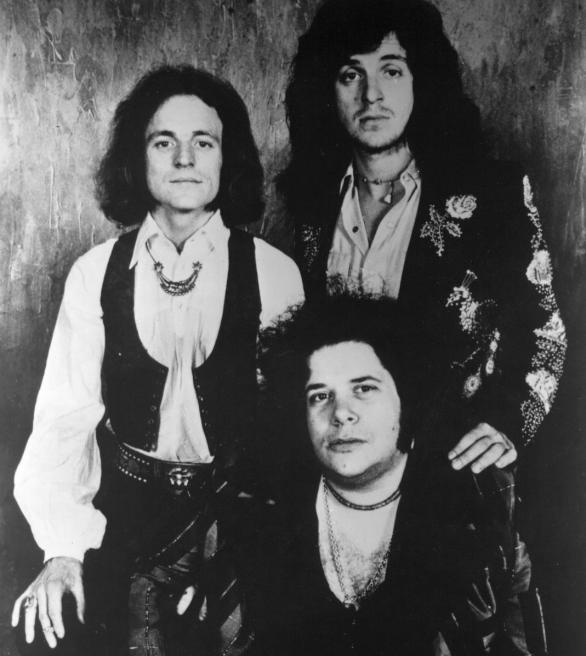
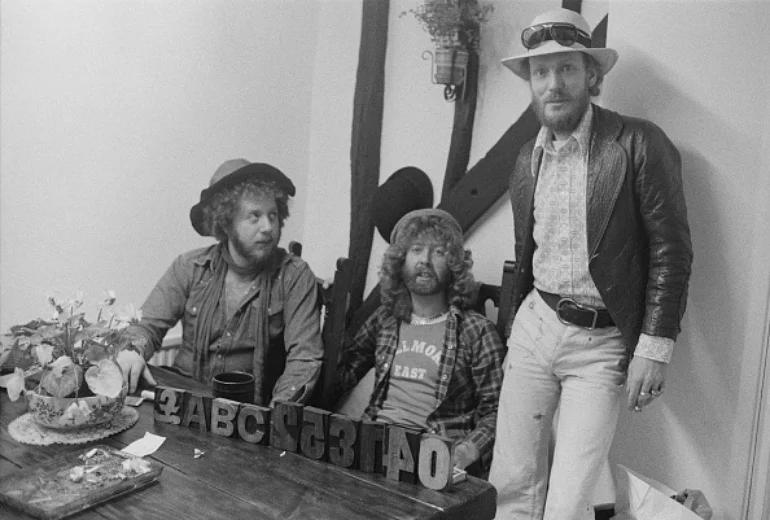
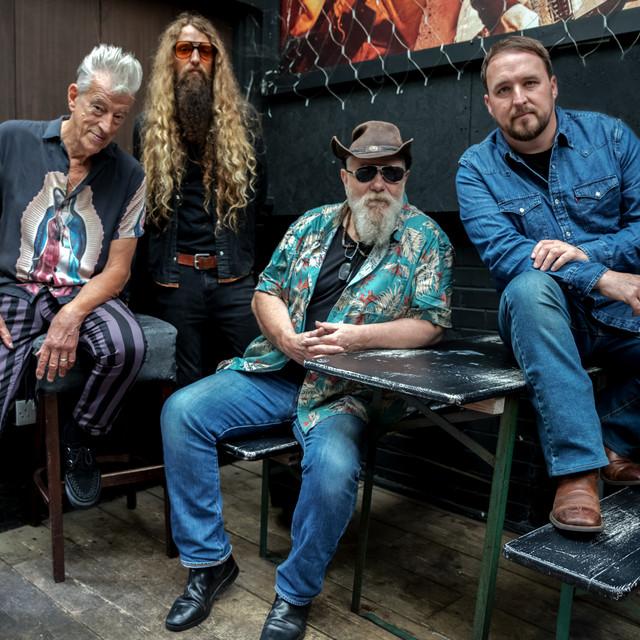
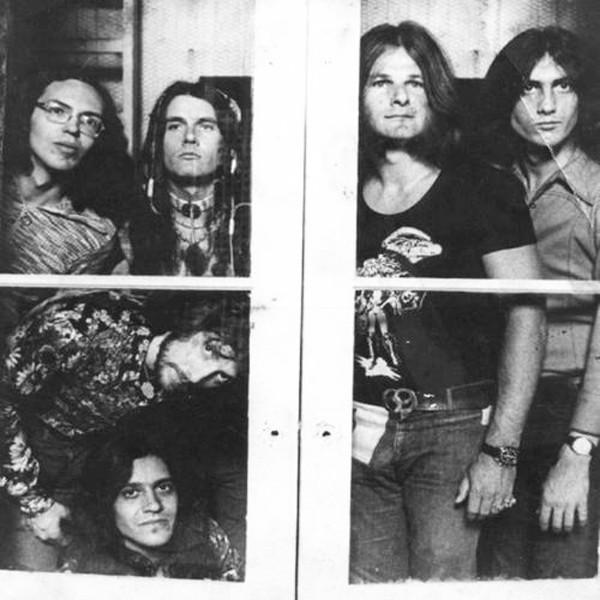
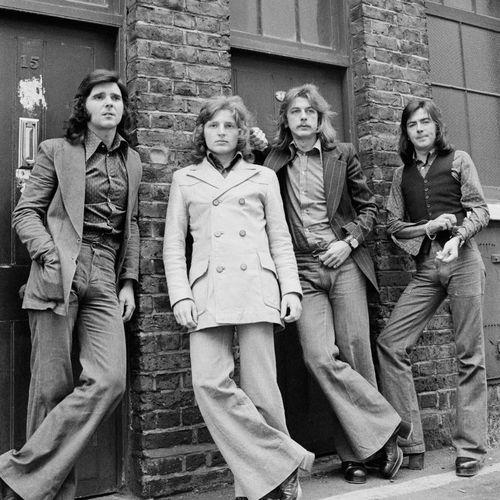
Trapeze’s Spotify BioWolverhampton, England hard rock outfit Trapeze formed in 1968, teaming lead vocalist John Jones and guitarist/keyboardist Terry Rowley (both ex-members of the Montanas, famed for the hit "You've Got to Be Loved") with singer/guitarist Mel Galley, bassist Glenn Hughes, and drummer Dave Holland. Signing to the Moody Blues' Threshold Records imprint, Trapeze issued its self-titled debut album in 1970; Jones and Rowley returned to the Montanas soon after, and in 1970 the remaining trio resurfaced with Medusa. The group toured extensively both at home and abroad, and although their fusion of rock and funk was cited as a prime influence on bands like ZZ Top, their commercial success was minimal. In the wake of the third Trapeze album, 1972's You Are the Music...We're Just the Band, Hughes replaced Roger Glover in Deep Purple. Guitarist Rob Kendrick and bassist Pete Wright signed on for Trapeze's 1974 effort Hot Wire, followed a year later by a self-titled LP; in 1976, the core trio of… Galley, Hughes, and Holland reunited, although no new recordings were forthcoming. Hughes again exited prior to 1978's Hold On, which featured Wright in addition to new guitarist Pete Goalby; Trapeze then disbanded, with Galley joining Whitesnake, while Holland tenured with Judas Priest. Galley, Hughes, and Holland re-formed once more in 1991, with a May 1992 London gig yielding the Welcome to the Real World live album. ~ Jason Ankeny, Rovi
Viberate is a music analytics platform built for A&Rs, artist managers, labels, booking agents, marketers, and artists.
It helps music professionals track artist growth, analyze audience data, monitor playlist activity, compare artists, follow song performance, and identify opportunities across the music market.
Public artist pages provide a free preview of selected artist data. Paid plans provide access to deeper analytics, historical data, charts, comparisons, playlist tools, exports, alerts, reports, and additional professional features.
Yes. Public Viberate artist pages provide selected artist analytics and music data for free.
Viberate also offers a 7-day free trial of the full platform. A credit card is required to start the trial. The trial includes access to the complete product so users can test deeper artist analytics, historical views, playlist insights, comparisons, charts, exports, alerts, and reporting features before choosing a paid plan.
Viberate provides artist analytics across streaming, playlists, social media, video, radio airplay, songs, and audience markets.
Users can analyze Spotify performance, Spotify and Apple Music playlists, YouTube activity, TikTok and Instagram growth, radio spins, song performance, audience locations, demographics, rankings, and overall artist momentum.
Artist profiles also connect to music charts, similar artists, and comparison tools, helping users benchmark performance and evaluate artists in context.
Viberate updates key artist and track data daily.
For followed artists and tracks, selected data is refreshed multiple times per day. This helps teams monitor playlist changes, streaming movement, audience growth, releases, and campaign performance with more current data.
Update frequency can vary depending on the metric and data source.
Yes. Viberate lets users compare up to five artists side by side across streaming, social media, audience, and engagement metrics.
Users can compare fanbase growth, audience demographics, locations, Spotify performance, social metrics, and other artist data over selected time periods.
Artist comparison can be used for A&R scouting, benchmarking, booking decisions, campaign planning, and evaluating artists with similar audiences or market positions.